
Dispute between OPPO Find X9 Ultra and Xiaomi 17 Ultra defines the best cell phone for photography

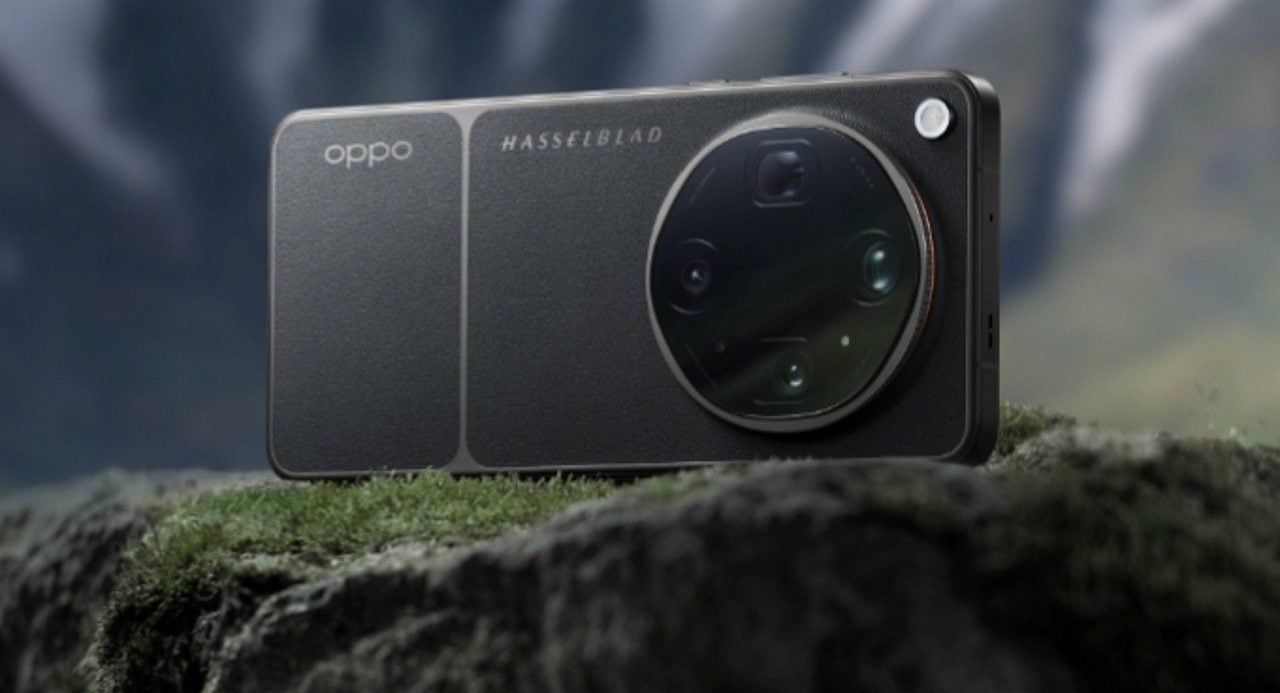
The global premium smartphone market sees a direct clash between the OPPO Find X9 Ultra and the Xiaomi 17 Ultra for dominance in mobile photography. Both devices surpass the 1,500 euros mark and deliver capture systems that challenge dedicated professional equipment. Hands-on Testes placed the devices side by side in multiple lighting and distance scenarios. The result exposes profound differences in the optical engineering of each brand.
Embora do not have official distribution on the Estados Unidos market, the models represent the peak of the sector’s technological development in 2026. The technical evaluation ranged from photographs in intense sunlight to extreme close-up recordings. The analysis reveals how different software processing and hardware construction choices impact the final product delivered to the demanding consumer.
Hardware Estratégias shows manufacturers’ opposite paths
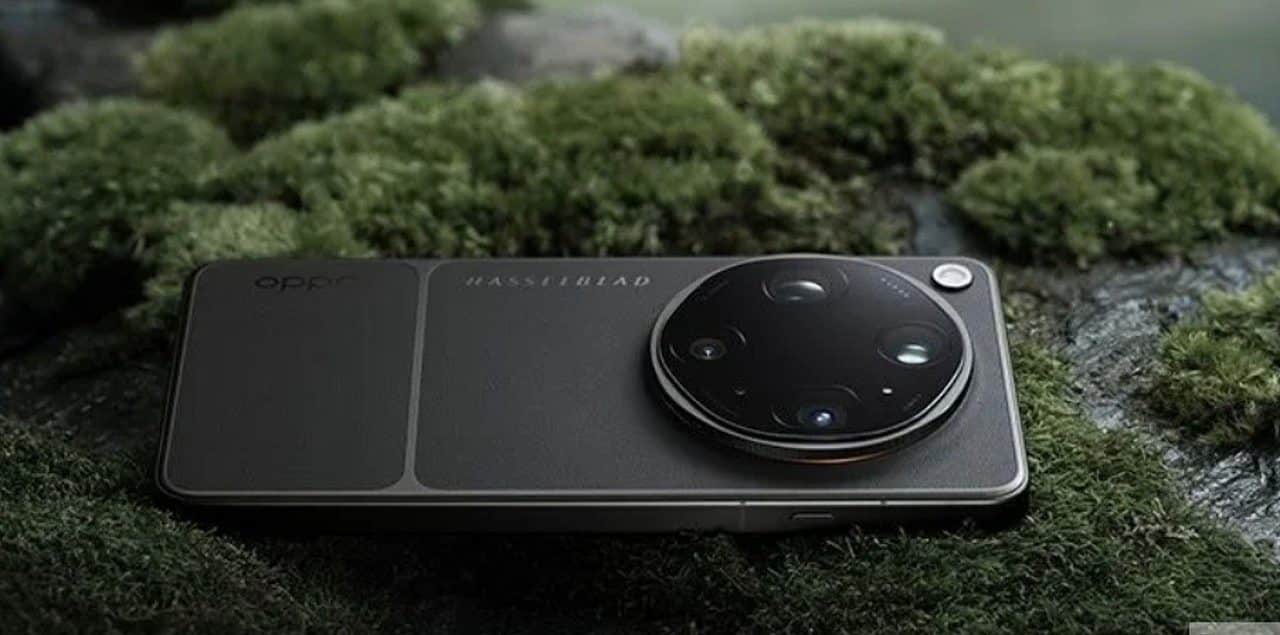
The main architecture of the devices dictates the behavior of the entire photographic set. The OPPO Find X9 Ultra features a 200-megapixel main sensor with an aperture of f/1.5. Essa configuration seeks to maximize light input in dark environments through dense processing. The Xiaomi 17 Ultra takes an alternative route and uses a 1-inch sensor with 50 megapixels. The larger physical size of the Xiaomi component theoretically guarantees superior light capture without relying so much on algorithms.
The distance between the companies’ philosophies becomes even more evident in the construction of the approach lenses. Manufacturers have adopted completely different mechanical solutions to solve the zoom challenge on compact devices. The specifications division occurs as follows:

- OPPO Find
- Xiaomi 17 Ultra: Sistema with variable zoom from 70 to 100mm, equivalent to 3.2x to 4.3x, with a 200 megapixel sensor and the absence of a fourth lens.
- Front Câmeras: Ambos models share 50-megapixel sensors with integrated autofocus system.
- Lentes ultrawide: The OPPO device features a larger 1/1.95-inch sensor, while the Xiaomi opted for a smaller 1/2.78-inch component.
The structure assembled by OPPO prioritizes versatility through the inclusion of more physical hardware dedicated to specific distances. The Xiaomi focuses its efforts on software optimization and flexibility of a mobile optical assembly, reducing the number of sensors on the rear panel.
Processamento image and color split results on prime lens
The performance of the main camera demonstrates the high level of maturity of both projects. OPPO’s 200-megapixel sensor, packed into a 1/1.12-inch chassis, puts up an even fight against the Xiaomi’s 1-inch component. Observing the images side by side reveals that the real differences lie in the treatment of colors and the balance of light exposure.
OPPO uses color science developed in partnership with Hasselblad. The system favors warmer tones and applies vibrant saturation. The effect stands out in blue and red elements, delivering photographs ready for social media. Xiaomi applies the Leica Authentic profile in its processing. The approach results in neutral and restrained images. The look is close to reality, but may seem understated in terms of brightness to ordinary users.
The dynamic range treatment, known as HDR, definitively separates the two audiences. The OPPO Find X9 Ultra forces aggressive HDR to rescue details in shadow areas and create deep blue skies. Xiaomi 17 Ultra prefers smooth HDR. The Xiaomi technique preserves natural contrast and keeps the depth of shadows intact. In sharpness analysis close to 100%, OPPO highlights distant details accurately, but generates graininess. The Xiaomi delivers smooth, clean edges, but with slightly higher digital noise.
Lente ultrawide surprises and exposes unexpected optical flaw
The analysis of ultra-wide angle cameras brings a result that contradicts the technical specifications on paper. The OPPO Find X9 Ultra has a physically larger sensor, which should guarantee absolute superiority. The device can record clearer exposures and rescues complex textures, such as tree bark in dense forests, thanks to its aggressive algorithm.
However, OPPO’s optical assembly has severe distortion flaws at the ends of the lens. The defect generates visible chromatic aberration. Halos purples and reds outline branches, chimneys and windows in the photographs. The corners of the image suffer from pronounced blurring. The Xiaomi 17 Ultra, even with an inferior sensor, delivers a wider field of view and clean images. The Xiaomi’s software calibration compensates for the physical limitation and eliminates aberration issues that plague the competitor.
Sensores 200-megapixel telephoto lens redefines portrait shooting
The implementation of 200-megapixel sensors in the telephoto lens raises the bar in the mobile industry. The combination of high resolution and wide apertures generates natural and accurate background blur. The OPPO Find X9 Ultra maintains the warm color signature and adjusts exposure according to the lighting on the face. The Xiaomi 17 Ultra follows the conservative guideline and protects the natural shadows of the face.
Behavior in human portraits defines user preference. OPPO’s processing injects life into faces and preserves facial features without blowing out highlighted areas. Xiaomi delivers flatter faces. The choice protects the original skin tones, but creates a worn appearance in direct sunlight. Nos image crops at 3x, OPPO displays clean details. Xiaomi relies on multi-frame resizing that creates artificial halos around text and thin borders.
Extreme Zoom consolidates physical advantage over artificial intelligence
The dispute in the 10x approach range shows an initial technical draw. The Xiaomi 17 Ultra performs lossless cropping directly from the 200 megapixel sensor. The technique generates macros of flowers and distant portraits with quality equivalent to the dedicated 10x camera present in the OPPO Find X9 Ultra. The scenario changes drastically when the distance requirement increases.
At the 20x mark, OPPO’s exclusive periscope lens takes the lead alone. Optical clarity overcomes noise and artificial over-sharpening applied by the Xiaomi software. Background compression generated by OPPO hardware creates a professional camera aesthetic that is impossible to simulate digitally. When reaching 30x approximation, the Xiaomi system uses heavy artificial intelligence. The process generates visual hallucinations and creates textures in leaves and trees. OPPO delivers smoother images at this distance, but maintains the structural fidelity of the original scene.
The final assessment consolidates two distinct profiles of photographic excellence. The OPPO Find X9 Ultra masters versatility with its dedicated hardware and delivers files ready for immediate publishing. The Xiaomi 17 Ultra acts as a professional pocket camera, requiring a technical eye and eventual subsequent editing to extract its maximum potential. The two devices redefine the physical and computational limits of current mobile technology.





