

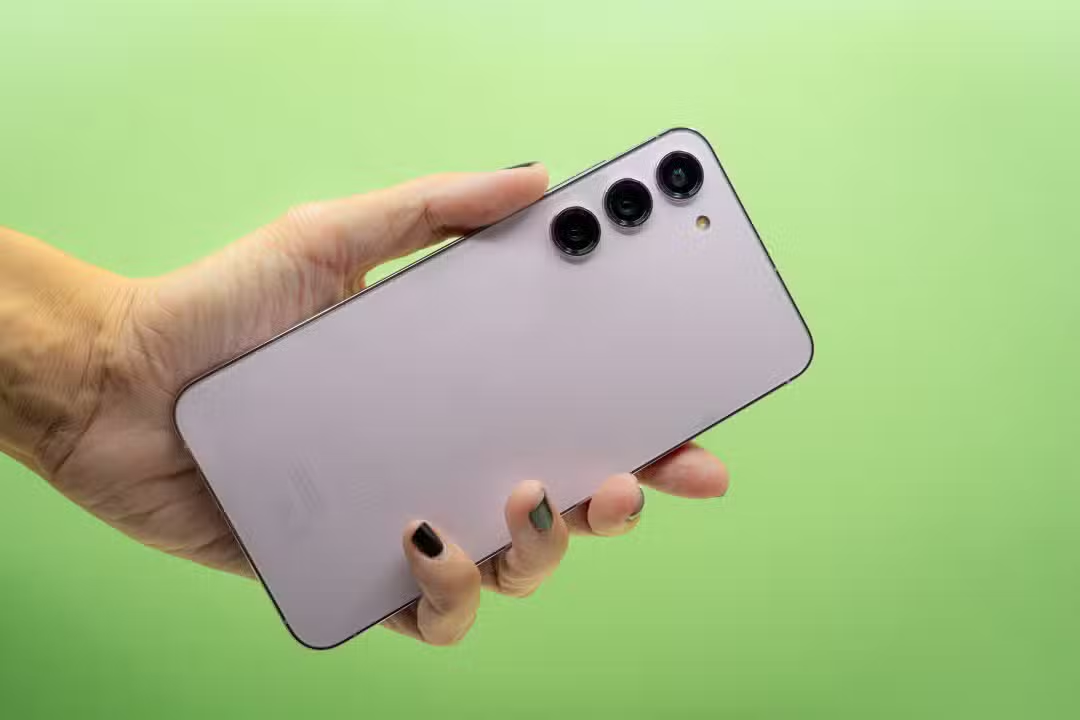
The release of the stable version of the One UI 8.5 system generated dissatisfaction among the owners of Galaxy S23 series smartphones. The software update arrived on devices about a week ago, but it did not include the long-awaited compatibility with the AirDrop tool. The lack of functionality affected the South Korean manufacturer’s three previous generation models, prompting a series of complaints on technology-focused forums and online communities.
Consumidores who expected feature parity with newer generations expressed frustration with the delivery of the new interface. Proprietários of Galaxy S23 Ultra reported that the installation package brought only visual changes, without practical connectivity gains. Usuários of model Galaxy S23 Plus also expressed displeasure with the omission of the file transfer tool. Discussions on social media indicate that part of the public interprets the corporate decision as a strategy aimed at the planned obsolescence of devices.
Política Resource Distribution Samsung
The company confirmed that official support for AirDrop remains restricted to devices in the Galaxy S24 line and models released later. The manufacturer chose not to prioritize the inclusion of the tool in the One UI 8.5 update for the previous generation, maintaining a historical pattern of market segmentation. The strategy of limiting advanced features on older hardware reflects a common corporate practice in the electronics industry, designed to differentiate the current portfolio from past versions.
The commercial decision sparked debates about the extended support policies offered by the brand. The Galaxy S23 still has a guaranteed year of major operating system updates in its official lifecycle. However, the reception of new versions of the software without access to prominent features highlights a mismatch between the device’s promises of longevity and the effective delivery of technological innovations to the established user base.
Especialistas from the technology market point out that maintaining a fragmented ecosystem requires rigorous planning on the part of developers. The release of software packages needs to balance the introduction of new features and the stability of the operating system. Quando a manufacturer decides to retain a specific functionality, the impact falls directly on the perception of value of the consumer who invested in a premium category device recently.
Capacidade Hardware and Galaxy S23 Architecture
Análises detailed techniques indicate that the devices in the series meet the physical requirements necessary to operate the tool. The smartphone is equipped with the Snapdragon 8 Gen 2 processor, which works in conjunction with the FastConnect 7800 system developed by Qualcomm. Este hardware set offers native support for Wi-Fi 7 connectivity and allows multi-link operation, as stated in the official documentation provided by the chip manufacturer.
A survey published by a user on the Reddit platform highlighted that the theoretical architecture of the component would enable the implementation of the Apple Wireless Direct Link (AWDL) protocol. Este communication standard is the technological basis that allows AirDrop to work between different devices. The physical presence of the components on the device reinforces consumers’ argument that the limitation imposed in the One UI 8.5 version originates from software decisions, and not from absolute hardware restrictions.
Apesar from theoretical feasibility, practical execution of the protocol requires deep optimizations in the system. The operation of AWDL depends on dividing transfers into smaller packets of data and quickly switching communication channels, all while the device maintains an active internet connection. A wireless network module that does not receive proper software handling can create processing bottlenecks, making file transfer excessively slow or unstable for everyday use.
Software engineering and optimization Desafios
Adapting a complex feature to previous generation hardware requires considerable development effort. Para For the tool to operate smoothly in 2023, Samsung and Google would need to direct engineering teams to create specific optimization solutions. The process would involve months of stability tests, bug fixes and battery consumption adjustments to ensure that the new feature did not harm the phone’s overall performance.
The development of backwards compatibility presents high operational costs for technology companies. Carrying out a retrofit on a device that is approaching its third year on the market requires the allocation of resources that, from a corporate point of view, are more profitable when directed to recent launches. Como the device only has one more year of guaranteed major updates, the manufacturer chose to concentrate its engineering investments on the newer lines.
The development dynamics of mobile operating systems follow strict priority allocation criteria. Programming teams need to ensure that basic security and usability functions work seamlessly before integrating third-party communication protocols. The complexity of aligning the FastConnect 7800 system code with the requirements of the wireless transfer protocol presented a technical hurdle that the company decided not to overcome in this update.
Fatores that influence the decision not to adapt old features:
- Custos elevated with stability tests on past generation components.
- Risco degradation of general performance and increase in device battery consumption.
- Redirecionamento of engineering teams for the development of new products.
Manufacturers’ list of priorities generally places system stability above the inclusion of new tools in old models. The forced introduction of a feature that was not natively optimized for that specific set of parts can result in crashes and connection failures, generating an even greater volume of complaints in the company’s technical support channels.
Ciclo life of smartphones and current market
The current scenario of mobile technology presents a significant change in consumer behavior. The need to replace a cell phone annually is no longer a rule in the global market. Modern smartphones, especially those classified as high-end, deliver enough physical durability and processing capacity to support three or four years of continuous use without showing severe slowdowns in daily tasks.
Contudo, prolonged maintenance of a device has inevitable consequences in relation to access to software innovations. Homeowners face the dilemma between preserving a functional appliance and accepting the absence of newly released tools. Deleting heavy functionality on older hardware often acts as a pragmatic measure to prevent the phone from losing responsiveness or suffering from overheating during complex data transfer operations.
The controversy surrounding the absence of the transfer protocol in the update highlights the constant tension between the expectations of the consuming public and the commercial cycles of the technology industry. The manufacturer transparently communicated the extended support period for its products, but maintains the policy of differentiating the capabilities of each generation. Users of the affected lineup will continue to receive essential security packages and bug fixes, but will need to deal with the absence of exclusive tools reserved for the latest models in the portfolio.