

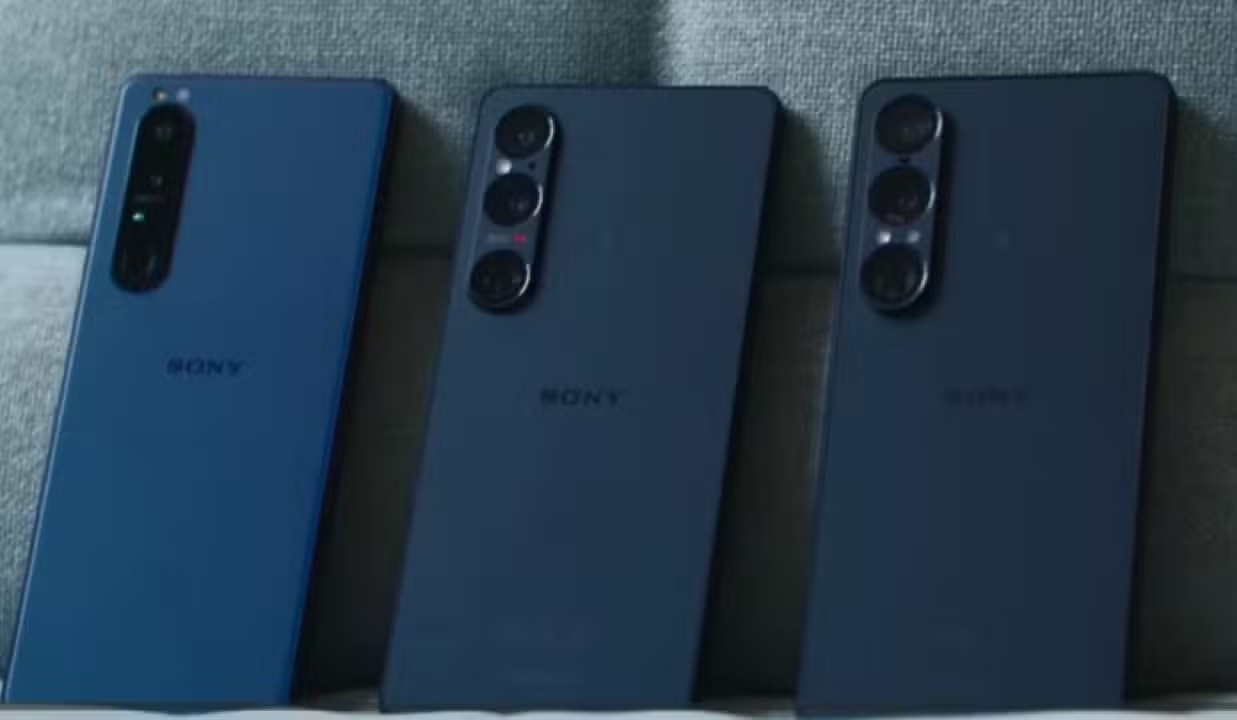
The high-performance mobile device market presents a new technical clash between two distinct approaches to image capture. The Sony Xperia 1 VIII and Google Pixel 10 Pro XL have undergone hands-on evaluations in varying scenarios to determine the effectiveness of their optical systems. The direct confrontation puts the tradition in photographic hardware and the cutting edge of software processing face to face. Tests carried out outdoors establish clear parameters regarding the behavior of each device.
The Japanese manufacturer focuses on the physical expansion of internal components to ensure greater entry of natural light. The North American company, on the other hand, focuses its efforts on artificial intelligence to correct and improve records in real time. The results obtained during the day and in low-light environments highlight the advantages and limitations of each engineering strategy. Practical analysis translates technical specifications into real performance for the end consumer.

Hardware Configuração exposes manufacturers’ divergent strategies
The internal architecture of the devices reveals design choices aimed at specific audiences. The Sony Xperia 1 VIII incorporates three sensors from the Exmor line with physical dimensions greater than the average in the telephony segment. The main camera of the Asian device has 48 MP and a 1/1.35 inch sensor. The ultra-wide lens uses a 1/1.56-inch component. The telephoto module maintains similar proportions to ensure consistency in capturing photons at different focal lengths.
The Google Pixel 10 Pro XL adopts a more compact structure in its capture modules. The smartphone features a 50 MP main lens, accompanied by a 48 MP ultra-wide lens and a 48 MP telephoto camera. The model’s difference lies in its optical approximation capacity, which reaches 5x without loss of quality. The Sony device limits optical zoom to 2.9x. The difference in lens construction directly affects the versatility of the equipment over long distances.
Diaphragm openings also vary significantly among competitors. The Google’s equipment reaches f/1.7 on the main lens, which allows for greater light input compared to the Japanese model’s f/1.9. The situation is reversed with the ultra-wide-angle camera. The Sony Xperia 1 VIII offers a 1/1.56 inch sensor versus just 1/2.55 inch for the Google Pixel 10 Pro XL. The disparity in physical size is repeated in the telephoto lens, consolidating the Asian brand’s preference for more robust components.
Desempenho in sunlight highlights Gemini algorithm processing
The evaluations carried out under intense natural lighting conditions demonstrate the computational power of the North American software. The Google Pixel 10 Pro XL uses the Gemini system algorithms to automatically adjust exposure and contrast. The saturation of colors receives a treatment that prioritizes vibrancy, maintaining the brand’s characteristic visual signature. Shadow Áreas gains additional detail through real-time correction. The processing works in a surgical way to avoid excessively artificial results.
The Sony Xperia 1 VIII delivers results closer to human visual reality. Larger sensors capture the nuances of the environment with less software interference. The natural contrast of scenes remains intact. Complex Texturas, such as dense foliage and metallic surfaces, present a raw definition that appeals to traditional photography enthusiasts. The device avoids the smoothing common in competing devices that rely heavily on digital post-processing.
The Google Pixel 10 Pro XL’s f/1.7 aperture compensates for its smaller sensor size during daytime shooting. The background blur effect demonstrates greater consistency around the edges of photographed objects. The Sony device generates a more organic blur due to its physical optics. Depth of field control requires greater precision from the user when clicking with Japanese equipment.
Capturas night vision and optical approximation define device limits
The absence of natural light changes the dynamics of the technological confrontation. The physical size of the Sony Xperia 1 VIII components guarantees an undeniable technical advantage in dark environments. The device absorbs a greater amount of absolute light in each pixel. The practical result is an image with reduced levels of digital noise. The device’s three lenses maintain a high standard of detail even without the use of tripods or stabilizing supports.
The Google Pixel 10 Pro XL uses artificial intelligence to compensate for physical limitations in nighttime scenarios. The system’s night mode applies intense grain reduction and sharpening algorithms. Textos on distant cards becomes fully readable after computational processing. Visual fidelity diminishes in favor of software-generated clarity. The Japanese model preserves the real atmosphere of the environment, accepting a higher natural grain rate to maintain the accuracy of the scene.
The behavior of ultra-angular lenses reinforces the design differences. The Sony Xperia 1 VIII’s 1/1.56-inch sensor effectively controls geometric distortion at the edges of the image. The Google Pixel 10 Pro XL features softer edges and loss of definition at extreme angles. The scenario changes in the approach assessment. The 5x optical zoom of the North American device surpasses the 2.9x range of the competitor. The software preserves details even when digital zoom exceeds the physical limits of the lens.
Especificações detailed capture systems techniques
Comparative analysis requires direct observation of the numbers that make up each photographic set. Technical data helps you understand the engineering choices applied to next-generation mobile devices. The list below details the capabilities of each lens incorporated into the smartphones evaluated.
- Câmera main Sony: 48 MP, f/1.9 aperture, 1/1.35 inch sensor, 1.12 μm pixel.
- Câmera main Pixel: 50 MP, f/1.7 aperture, 1/1.3 inch sensor, 1.2 μm pixel.
- Ultra-wide Sony: 48 MP, f/2.0 aperture, 1/1.56 inch sensor, 1.0 μm pixel.
- Ultra-wide angle Pixel: 48 MP, f/1.7 aperture, 1/2.55 inch sensor.
- Telefoto Sony: 48 MP, f/2.8 aperture, 2.9x optical zoom, 1/1.56 inch sensor.
- Telefoto Pixel: 48 MP, f/2.8 aperture, 5.0x optical zoom, 1/2.55 inch sensor.
- Câmera front Sony: 12 MP with HDR support.
- Câmera front Pixel: 42 MP maximum resolution.
The numbers confirm the Asian manufacturer’s commitment to robust physical components for auxiliary lenses. The North American company’s strategy is evident in the high resolution of the front camera and the aggressive aperture of the main lens. The balance between hardware and software defines the usability of each device in consumers’ daily lives.
Fatores commercials and usability drive purchasing decision in 2026
The technology market in 2026 requires an analysis that goes beyond the raw quality of the images captured. The Sony Xperia 1 VIII meets the demands of photographers seeking manual control and optical fidelity. The Google Pixel 10 Pro XL focuses on the consumer who wants immediate, polished results for quick sharing. Artificial intelligence acts as a facilitator for users without advanced technical knowledge about exposure and ISO.
The financial factor also influences the positioning of devices in international retail. The Google Pixel 10 Pro XL registers a discount of US$250 on the Amazon platform for the version with 256 GB of internal storage. The reduction in the final value changes the cost-benefit ratio of the product. The device also has a 6.8-inch OLED screen and deep integration with the Gemini ecosystem for daily tasks.
The choice between the two models reflects the user’s personal preference regarding their photography workflow. The smartphone industry maintains two clear strands of technological development. The evolution of physical sensors will continue to compete with advances in computational processing in the next launch cycles of premium devices.