
The appearance of the electric Ferrari Luce motivates digital projections with logos of rival automakers

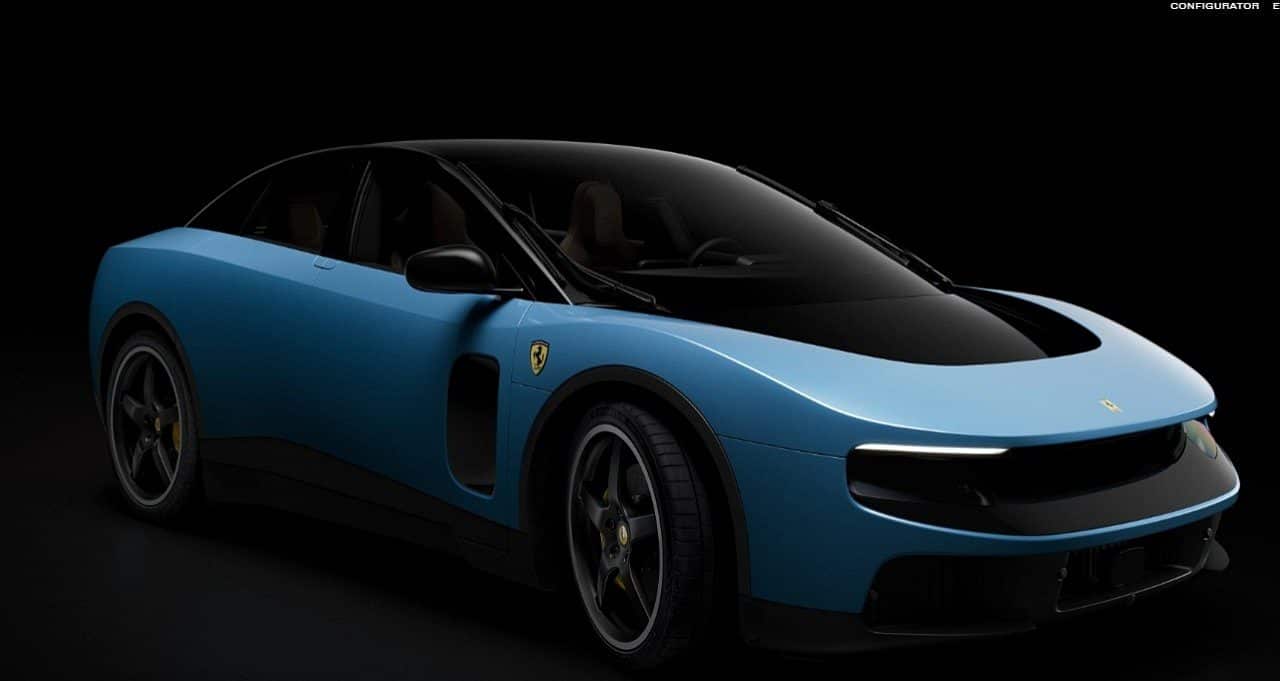
The launch of the Ferrari Luce electric model introduced discussions about the aesthetics adopted by the Maranello manufacturer. Independent Designers created digital projections by applying emblems from other companies to the vehicle. The result demonstrated that the body lines adapt to different visual identities in the automotive and technology sectors. The images circulate on specialized forums and highlight the versatility of the original design.
The paradigm shift occurs in the Italian company’s first fully electric bet. The project included the participation of the LoveFrom studio, led by former Apple designer, Jony Ive. The absence of classic elements raised questions about the maintenance of the automaker’s historical standards. Public debate has focused more on visual language than electric motor specifications or battery capacity.
The role of LoveFrom studio in the new visual identity
The decision to outsource part of the aesthetic development represents an unusual move for the brand. The Jony Ive team applied electronic product design concepts to the automobile structure. The approach prioritized clean surfaces and minimalist details over traditional aggressive lines. The partnership sought to create a product distinct from the combustion models that defined the company’s history over the decades.
The manufacturer chose not to convert its entire line to electricity immediately. Ferrari Luce was given the freedom to establish its own visual parameters without the obligation to load all of Centro Stile Ferrari’s code. Especialistas from the sector point out that the strategy avoids compromising the image of classic super sports cars. The flexibility of the current design motivated virtual modifications that test the limits of corporate identity.
Adaptação digital includes North American and Japanese brands
Computer-generated images replace the prancing horse with symbols of direct and indirect competitors in the global market. The version with the Jeep logo added the seven-slot front grille and the paintwork used in the Compass utility vehicle. Usuários noticed similarities between the Italian model’s headlights and the Jeep Avenger’s components. The change kept the original proportion of the vehicle intact.
The creative exercise also involved Dodge and its new zero-emission models. The projection used elements from the electric Charger Daytona, including the translucent grille and the rear lights interconnected in a single piece. The blacked-out finish of the Redeye version contrasted with the original body panels. The adaptation worked visually due to the frontal architecture adopted in the base project.
The interpretation based on the Honda sought inspiration from the Type R sports line. The car received an aerodynamic package simulated in carbon fiber and red seats. The digital modification contrasts with the Japanese automaker’s recent corporate decisions, which canceled development of the Honda 0 Sedan. The discarded Asian model had more radical proportions than the European launch itself.
Influência from the Asian market and canceled Apple project
The transition to the electric segment brings automotive design closer to the consumer technology industry. The projections included companies in the electronics sector that have recently entered urban mobility and the development of intelligent vehicles.
- The Xiaomi version received yellow color and silver details based on the SU7 Ultra.
- Sensores autonomous driving devices have been added to the roof of the virtual vehicle.
- Apple’s projection used the orange tone of the recent iPhone line.
- Rodas closed and technology company logos completed the visual package.
- Apêndices aerodynamics reinforced the identity of a product focused on innovation.
The inclusion of Apple carries a specific historical context for the technology market. The company closed the Projeto Titã in February 2024, after investing billions in research into developing its own car. The presence of Jony Ive in the Ferrari Luce project suggests a practical application of the concepts studied during his period at the company. The final model reflects the convergence between the two high-value-added industries.
Arquitetura electrical requires reconfiguration of structural components
Criticism of the Ferrari Luce’s appearance clashes with the technical needs of battery-powered vehicles. The absence of a central combustion engine alters the weight distribution and overall aerodynamics of the chassis. The long hood loses its original function of housing cylinders and complex exhaust systems. Engineers relocated the power modules to optimize the center of gravity and improve cornering stability.
The cooling system also underwent profound changes in the technology transition. Electric Carros require fewer front air intakes compared to large displacement engines. Essa technical feature allowed the LoveFrom studio to close off a large part of the front of the car. The smooth surface improves the aerodynamic coefficient and increases battery autonomy at highway cruising speeds.
Impacto in the automotive industry and international competition
The versatility demonstrated by digital projections raises debates about the standardization of global vehicle design. The Ferrari Luce’s ability to absorb other brands’ identities indicates an aesthetic convergence in the high-performance electric segment. Analistas market evaluate whether the characteristic represents a necessary functional evolution or a loss of corporate identity. Sales volume in the coming quarters will dictate the acceptance of the new format by luxury consumers.
The production pace of Asian manufacturers adds pressure to the current competitive scenario. The Chinese market features shorter development cycles and rapid implementation of new technologies. Componentes visuals presented in the Maranello model can influence mass production vehicles quickly. The industry monitors acceptance of the format to guide future launches and portfolio restructurings. The vehicle’s commercial performance will define the automaker’s next steps in the process of total electrification of its fleet by the end of the decade.




