Toyota research shows high charging frequency in plug-in hybrid cars in North America

A survey of Toyota Research Institute North America provided new data on the behavior of owners of plug-in hybrid vehicles in the Estados Unidos and Canadá. The research, which analyzed information from more than six thousand drivers, goes against the common perception that these cars run most of the time using only the combustion engine. The results demonstrate that the vast majority of users connect their cars to the socket at a high frequency to take advantage of electric propulsion. The peer-reviewed study offers a detailed look at the charging routine and helps demystify criticisms aimed at this category of automobiles in the North American market.
The publication of these statistics comes at a time of intense transition in the global automotive industry, where energy efficiency and emissions reduction are priorities. Historicamente, automakers avoided disclosing the exact frequency with which customers recharged the batteries of their plug-in hybrid models, which left room for negative speculation. With the release of official numbers, the Japanese manufacturer establishes a new standard of transparency in the sector. The analysis proves that, when the consumer purchases the vehicle by choice and has adequate infrastructure conditions, the technology fulfills its role as a transition between traditional engines and fully electric models.
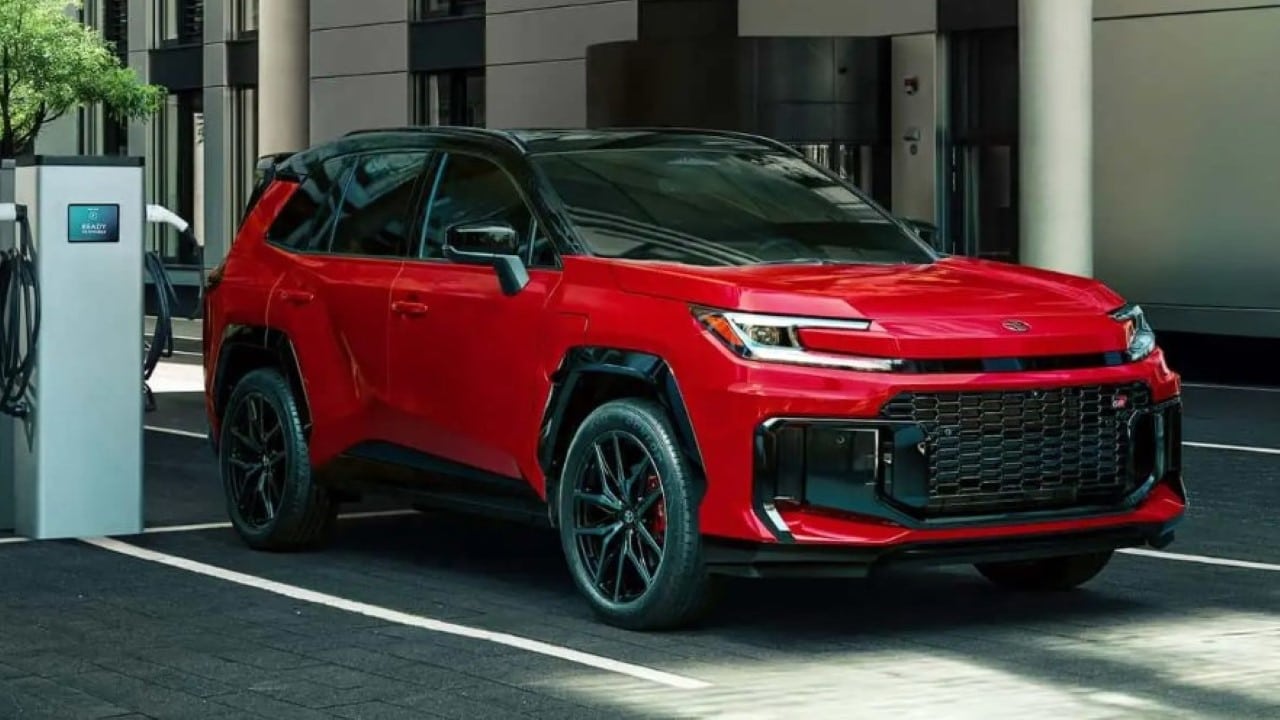
Padrões usage reveals significant contrast with the European market
Researchers Karim Hamza and Ken Laberteaux, responsible for the study, evaluated anonymized data from thousands of owners of the Toyota RAV4 PHEV and Lexus NX 450h+ models. Statistics collected show that 70% of Toyota brand drivers recharge their vehicles on seven out of every ten days of use. Engagement is even greater among owners of the luxury brand Lexus, who connect their cars to the electricity grid between eight and nine times in the same ten-day period. The survey also points out that only 9% of Toyota users and 4% of Lexus customers rarely use power cables, preferring to run predominantly with the fossil fuel tank.



Esse scenario differs drastically from observations recorded on the European continent over recent years. Na Europa, several previous surveys indicated that drivers of plug-in hybrid vehicles rarely took advantage of the full capacity of the electrical system. Especialistas from the automotive sector explain that this discrepancy occurs due to tax incentive policies adopted by several European governments. Muitas companies acquired fleets of cars with this technology exclusively to obtain tax benefits, passing the cars on to employees who had no interest in the electrical system. Consequentemente, these corporate drivers often did not have residential infrastructure for charging or simply used corporate cards to fill up with gasoline, ignoring the battery.
Desafios Infrastructure and Financial Barriers to Charging
Veja Tambem em Latest News (EN)

Preliminary agreement between Iran and the US is suspended after Israeli bombings in Lebanon

Alaskan Bush People star Matt Brown found dead in river at age 43 after disappearing

Nvidia announces Rtx Spark chip to reinvent the PC and challenge Intel and Apple

44-year-old man tries to abuse 5-year-old girl in Tyumen and is stopped by children in Russia

Global restructuring of manufacturer OnePlus affects leadership and Robin Liu leaves command in India

Anvisa authorizes Ypê to resume production in Amparo from this Monday

Nintendo releases technical updates to stabilize ten games from the original console on Switch 2

Samsung discards AES technology for the S Pen and maintains classic system on the Galaxy S27 Ultra

Jay-Z concerts at Yankee Stadium see bleacher tickets sell for $12,000 on resale

Apple device maintains high performance and attracts consumers with A18 chip and advanced cameras in 2026

Xbox Partner Preview stream reveals never-before-seen details on Stranger Than Heaven and S.T.A.L.K.E.R. 2