
Global components crisis causes Valve to raise the price of the Steam Deck OLED by up to 46% in the market

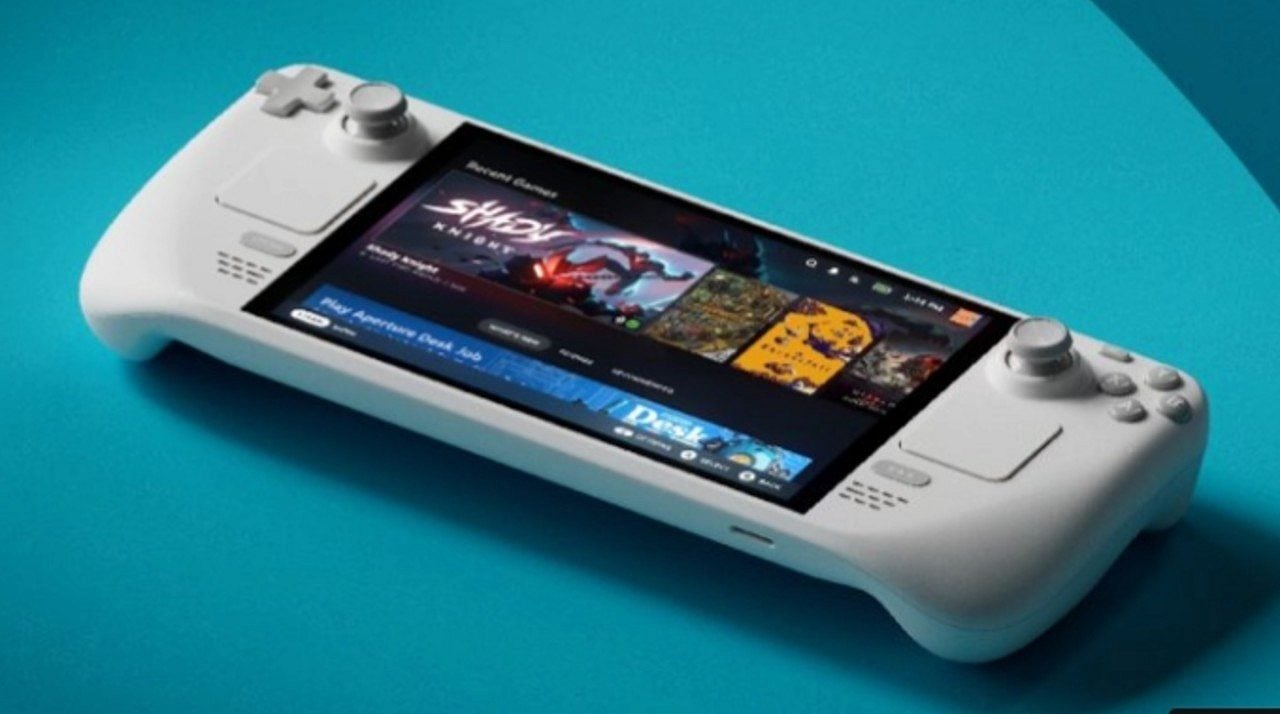
The manufacturer Valve confirmed a significant increase in the Steam Deck OLED price table. The readjustment reaches the mark of 46% in the most advanced models of the gaming laptop. The measure takes effect immediately on the company’s official channels. The decision directly affects consumers who planned to purchase the device with an improved screen.
The central justification for the drastic change involves the global rise in memory and storage costs. Desafios logisticians in the supply chain also weighed in on the formulation of the new values. The company highlighted that the equipment’s hardware remains exactly the same, without any addition of functionality that would result in extra charges. The scenario reflects economic pressure that affects the entire technology segment.
Impacto directly on models with improved screen
The intermediate model equipped with 512 GB of storage suffered a considerable jump in its final cost. The device is now sold for US$789, which represents an increase of 43% over the previous price. The 1 TB version, considered the top of the line option in the catalogue, reached the mark of US$ 949. Este amount consolidates the maximum increase of 46% stipulated by the manufacturer.
The new prices are already on the company’s sales platform. The change caught part of the gaming community by surprise, generating immediate reactions on forums and social networks. One user expressed frustration by reporting that their hopes of purchasing the version with an organic light-emitting panel ended after the announcement. The company tried to soften the impact by publishing a detailed text on its official blog.
The document focuses exclusively on external cost factors. The manufacturer recently discontinued direct sales of the more affordable original versions with an LCD screen. Essa strategy forced new buyers to target exclusively the updated models, which originally hit the market in November 2023. The hardware overhaul brought substantial internal improvements, but now runs into a financial barrier.
Escassez of parts and the impact on the supply chain
The constant fluctuation in electronic component prices dictates the pace of today’s hardware market. Chips RAM memory and solid-state storage modules are among the items most affected by inflation in the sector. Global demand for these semiconductors has grown dramatically in recent months. The accelerated advancement of data centers focused on artificial intelligence absorbs a large part of global production.
Esse manufacturing bottleneck increases the cost of assembling complex portable devices. Meses before the readjustment was made official, the Steam Deck OLED was already experiencing instability in its stocks. The difficulty in keeping the product available on virtual shelves indicated problems on the assembly line. The previous shortage combined with the increase in inputs created an unsustainable scenario for maintaining the original profit margin.
Além laptop computer, the company recently launched the dedicated Steam Controller. The control features a charcoal black finish and has a four-way directional button. The peripheral includes two analog joysticks, two trackpads and a series of additional buttons for navigation. The accessory hit the market costing 85 pounds sterling, a price that also divided opinions among brand enthusiasts.
Futuro uncertain for new brand hardware
The abrupt increase in the cost of the assembly line raises doubts about the company’s next steps in the physical equipment segment. The Steam Machine project, a desktop computer focused on living room gaming, could face significant delays. The device does not yet have a defined release date and lacks an official price estimate. The current global economic situation threatens the commercial viability of the product.
Especialistas in the sector follows the movement with caution. Chris Scullion, deputy editor of the Video Games Chronicle portal, analyzed the impact of the increase in RAM memory on the manufacturer’s plans. The journalist pointed out that the Steam Machine could end up being so expensive to manufacture that Valve might even reconsider the launch. The safest strategy would involve temporarily halting development.
The expectation is that the company will wait until the situation is resolved to avoid the arrival of a product with a prohibitive price. The traditional console market operates on thin profit margins, often subsidizing hardware to profit from software sales. Excessively expensive equipment alienates the user base and compromises the large-scale adoption of the platform.
Movimentação market reaches other giants in the sector
Inflationary pressure is not restricted to the aisles of the virtual game store creator. The digital entertainment segment as a whole is going through a phase of value correction. Import Tarifas, persistent inflation and the dispute over semiconductors affect all large corporations in the area. Consumers face readjustments both in the acquisition of machines and in the maintenance of recurring services.
Diversas companies announced changes to their trading tables recently. The changes range from desktop consoles to digital distribution platforms. The standardized movement confirms that the component crisis has a global scale and affects different business models. Key changes documented in the market include:
- The Sony PlayStation 5 console was increased by 100 dollars in the North American market and 90 pounds on the Reino Unido during the month of March.
- The PlayStation Plus subscription service underwent a price adjustment in several regions, under the justification of adapting to market conditions.
- The future Nintendo Switch 2 will have its value increased globally from September, jumping from US$449.99 to US$499.99 for the Estados Unidos.
- The Xbox Game Pass platform reduced the subscription fee, but removed immediate access to new releases from the Call of Duty franchise on the day of their release.
Esses examples demonstrate the complexity of the current scenario. Sony attributed its decisions to continued pressures in the global economic scenario. The Nintendo follows suit in laying the groundwork for its next generation of hardware. Microsoft, responsible for the Xbox brand, chose to restructure the benefits of its service instead of applying a direct increase in the basic monthly fee.
Economic Cenário Pressures Tech Consumers
The dynamics of component costs dictate the rules of the game for the end consumer. Assembling a portable computer requires miniaturized parts with high thermal and energy efficiency. Manufacturing these microchips requires billion-dollar facilities and extremely precise chemical processes. Qualquer interruption in the supply of raw materials generates a cascade effect that culminates in the product becoming more expensive at the end of the chain.
PC and console gamers need to adapt their budgets to this new financial reality. The promise of affordable, high-performance hardware comes up against the physical limitations of semiconductor factories. The exponential growth of artificial intelligence will continue to compete for space on production lines with graphics chips aimed at entertainment. Technology companies pass on these operating costs to maintain the viability of their hardware divisions.
The market for high-performance portable devices, opened with a bang by Steam Deck himself, attracts new competitors every quarter. However, all manufacturers face exactly the same logistical obstacles. Price stabilization depends on a massive expansion in global memory chip production capacity. Até new factories come into full operation, the cost of cutting-edge technology will remain at a high level.





