
NASA details 3 robotic missions to the Moon to start a permanent base at the South Pole

Nasa detailed the first steps towards building a permanent human colony at Lua. The American space agency, two months after promising the ambitious project, announced on Tuesday that it will launch three robotic missions to the lunar surface before the end of 2024. Todas operations will be carried out by private companies, marking a new phase in space exploration.
Essas initial missions are crucial to the development and establishment of the first human base outside of Terra. Nasa’s strategy involves partnerships with companies such as Blue Origin, Astrobotics and Intuitive Machines to accelerate the program’s advancement. The main focus of these explorations will be the south pole of Lua, a strategic region due to its geographic characteristics and potential resources.
Três robotic missions inaugurate lunar test phase
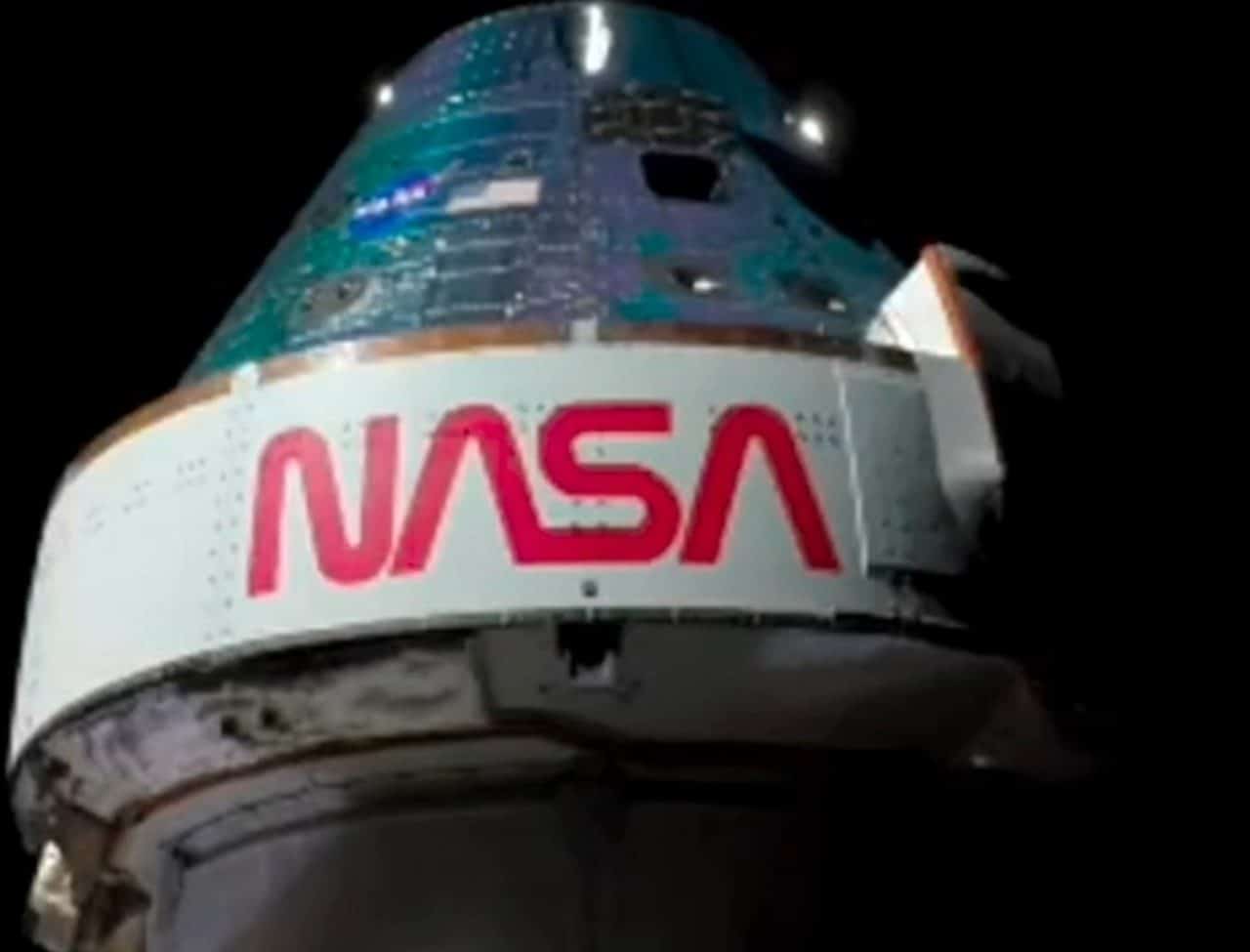
The first mission, called Moon Base 1, is scheduled for the second half of the year and will be operated by Blue Origin, Jeff Bezos’s space company. Seu’s destination is the south pole of Lua, where Estados Unidos plans to build the future lunar base. Esta mission will represent the debut of the Blue Moon vehicle, developed by Bezos specifically for landing on the natural satellite.
A second version of Blue Moon, from Blue Origin, will compete directly with the Starship spacecraft, from Elon Musk, to transport astronauts. Esses vehicles will be evaluated for future missions, such as Artemis 4 and Artemis 5, which will see the first astronauts of the 21st century set foot on the Lua. The selection of the transporter will be fundamental to the success of the subsequent stages of the program.
Ainda in 2024, the Moon Base 2 mission will be led by Astrobotics, offering the company a new chance for success. The company will attempt to land its Griffin vehicle, after a failed first landing attempt in January 2024. The third mission announced in the new US lunar program will be from Intuitive Machines, whose robotic probe Athena had an accidental landing after an initial unsuccessful attempt.
Desafios technical and geographic at the south pole of Lua
Carlos García Galán, Nasa’s Moon Base program director, tasked with developing Jared Isaacman’s ambitious plans, explained the three phases of the space project. The first phase, which begins later this year with the announced missions, will be dedicated to carrying out tests and learning about the survival of astronauts for long periods in an extremely hostile lunar environment. Este challenge is even greater than that faced by astronauts on the Apollo missions, carried out between 1969 and 1972.
- The lunar south pole presents rigorous environmental conditions, with temperatures that can reach minus 200 degrees Celsius during nights that last two Earth weeks. Além Furthermore, the region has craters permanently in darkness, making exploration and stay complex. Para an in-depth study and the eventual creation of the permanent colony, Nasa plans to send several equipment:
- Veículos specialized for moving astronauts on the lunar surface;
- Múltiplos drones for mapping and exploring difficult-to-access areas;
- Instrumentos advanced scientific data collection and analysis of soil and subsoil;
- Equipamentos drilling to search for frozen water resources in shadowy craters.


Preparativos for temporary and permanent bases
Entre 2026 and 2029, Nasa plans to carry out 21 additional missions to Lua. Este period will complete the initial phase of the Moon Base program, focused on information collection and technology validation. Starting in 2029, the agency plans to create the first habitable bases, which will be temporary in nature.
Essas initial installations will operate with energy generated by solar and nuclear systems, essential to guarantee operation during the long and freezing lunar nights. The transition to permanent bases is scheduled to take place from 2032. Nelas, construction will be assisted by specialized robots, optimizing the process and reducing risks to humans.
Tecnologia and human colony support
The first human colony established on another world will be equipped with a robust and self-sufficient infrastructure. Serão implemented pressurized transport vehicles, capable of covering large distances on the lunar surface safely. Este mobility system will be crucial to operating and maintaining operations.
An advanced telecommunications system will ensure constant communication with Terra and between lunar facilities. Além Additionally, nuclear power plants will be developed to generate continuous power, a vital necessity for the base’s survival during extreme nighttime conditions. Sustaining life and operations in the long term directly depends on these technological innovations and the ability to adapt.
Veja Tambem em Latest News (EN)

Apple prepares to launch an exclusive Siri app for the home screen on iOS 27

Apple tests drastic reduction of Dynamic Island on iPhone 18 Pro to maximize screen space

Disney World records sixth closure in a month with new location affected

WhatsApp implements ‘Exit’ button in Android beta 2.26.21.9; feature allows you to disconnect

Samsung update adds inactive send to Apple button on older Galaxy lines

New Huawei Pura foldable smartphone features reduced edges and expanded screen in leaked images

Samsung update integrates AirDrop system into Galaxy S22, S23, S24 and S25 cell phones in Brazil

Sony confirms financial adjustment of 150 dollars on PlayStation 5 Pro and runs out of stocks at international retailers

IPhone 18 Pro accessory leak confirms 35% reduction in Dynamic Island size

Gravitational microlensing phenomenon reveals object with 3 lunar masses in the Large Magellanic Cloud

Apple may swap titanium for aluminum in future iPhones Pro due to AI thermal requirements
