
Steam Deck OLED device becomes 46% more expensive in Valve stores and 1 TB model reaches US$949

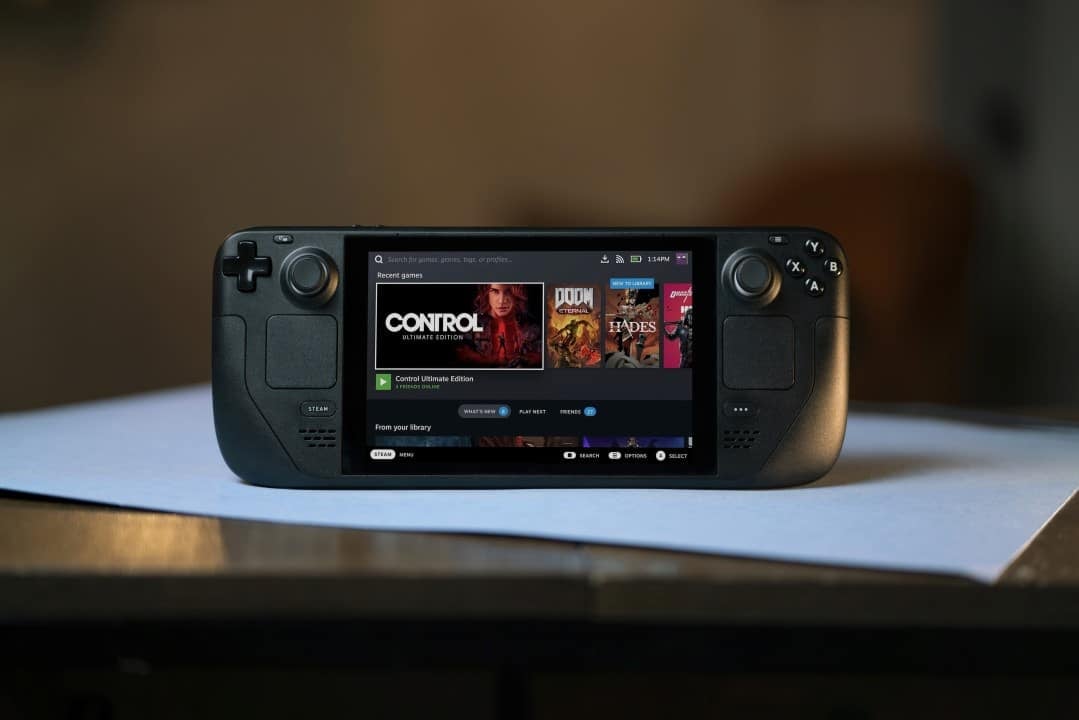
The manufacturer Valve applied an increase of up to 46% in the official prices of the Steam Deck OLED. The change directly affects the 512 GB and 1 TB versions of the portable computer. The new values came into force this Wednesday. The change occurred simultaneously with the device returning to stock in the company’s online store. The device had been experiencing a period of unavailability in recent weeks. The entry-level model in the line with an organic screen now costs US$789. The version with greater storage capacity reaches US$949.
The North American company did not publish official statements to justify the increase in figures. Especialistas from the technology market point to the increase in the cost of internal components as the main factor. RAM memory and solid-state storage modules see rising production costs. The massive demand generated by the artificial intelligence industry absorbs a large part of the global semiconductor supply. The shortage scenario affects the supply chain of several electronics manufacturers on a global scale.
Detalhamento of the new amounts charged for portable consoles
The readjustment applied by Valve represents a drastic change in the hardware’s market positioning. The 512 GB Steam Deck OLED was previously sold for US$549. The exact increase of US$240 increases the acquisition cost to an unprecedented proportion for the brand’s product line. Consumers looking for the intermediate version need to pay a significantly larger amount to complete the purchase on the official platform.
The top-of-the-line edition suffered an even more pronounced financial impact on the price list. The 1TB Steam Deck OLED has jumped from $649 to $949. The $300 increase moves the device away from the affordable notebook category and closer to high-performance computers. The direct conversion to Brazilian currency illustrates the magnitude of the adjustment applied by the manufacturer.
- Modelo Steam Deck 512GB OLED went from $549 to $789.
- Versão Steam Deck 1TB OLED jumped from $649 to $949.
- Acréscimos represent financial highs of $240 and $300.
- Valores in direct conversion reach R$3,990 and R$4,799 without taxes.
The converted numbers only serve as an initial calculation basis for international buyers. The value of R$3,990 for the 512 GB model and R$4,799 for the 1 TB version does not reflect the final acquisition cost. Legal import of the product requires the payment of state and federal customs taxes, in addition to international shipping costs. The sum of these variables substantially increases the amount necessary for the entry of the portable computer into the national territory.
Impacto directly on refurbished devices sold by the manufacturer
The updated pricing policy also affects Valve’s refurbished device program. Devices known as refurbished consist of used units that have been returned to the factory for various reasons. The company carries out rigorous tests, replaces defective parts and returns the product to the market with an official guarantee. Essa modality usually attracts consumers looking for discounts on sealed items.
The refurbished 512 GB Steam Deck OLED now requires an investment of US$629. Direct conversion points to a base cost of R$3,181. The 1 TB version in the same refurbished condition costs US$759, equivalent to R$3,838. The new prices charged for used models exceed the original prices charged for new devices before the recent update of the store’s price list.
The line with organic screen currently concentrates the production of new units from the manufacturer. The original versions equipped with an LCD panel have been discontinued on the assembly lines since last year. The consumer can purchase the Steam Deck LCD only through refurbished stock. The 64 GB model costs US$279. The 256 GB and 512 GB options cost US$319 and US$359, making them the cheapest alternatives in the ecosystem.
Escassez of components and advancement of artificial intelligence in the sector
The absence of a positioning for Valve directs the analyzes to the macroeconomic panorama of the semiconductor sector. The increase in RAM memory is emerging as the main bottleneck in the production of gaming hardware. The artificial intelligence industry consumes massive volumes of high-performance memory chips. Servers dedicated to AI data processing receive priority from Asian foundries, reducing the quota allocated to video games.
The imbalance between supply and demand directly affects companies that manufacture devices for the end consumer. The difficulty in acquiring parts became public during Game Developers Conference in March. Valve executives Aitchison Boyle and Tom Giardino reported efforts to secure batches of RAM. The statement highlighted the logistical barriers faced by the company months before the adjustment reached the consumer.
The phenomenon is not restricted to Valve’s portable computers. Market Analistas monitors cost pressure on other digital entertainment platforms. The PlayStation 5 and Xbox Series X operate under the same electronic component supply dynamics. The development of Nintendo Switch 2 also occurs amidst this scenario of instability in the prices of essential parts. The global supply chain dictates the pace of launches and the final pricing of hardware.
Reflexos for Brazilian consumers and the future of hardware
The Brazilian market feels the effects of the readjustment indirectly and immediately. Valve does not maintain an official hardware sales operation on Brasil. The Steam Deck OLED arrives in the country exclusively through independent importers or direct purchases abroad. The increase of up to 46% in origin changes the calculation basis for all subsequent transactions carried out by local retailers.
The incidence of import taxes on the new values of US$789 and US$949 changes the price level of the product in unofficial national retail. Logistical costs and resellers’ profit margins add to the tax burden. The portable computer is consolidated in a higher price range than traditional desktop consoles officially sold on the domestic market by competitors.
The instability in production costs raises questions about the manufacturer’s next projects. The technology community awaits information about the future Steam Machines. Desktop computers with Valve’s own operating system do not yet have technical specifications or defined prices. The pricing strategy for these new equipment will depend on the normalization of the supply of semiconductors.
The global electronics market operates cautiously given projections for the coming quarters. Chip foundries remain focused on supplying data centers and artificial intelligence infrastructures. The allocation of industrial resources dictates the availability of components for the gaming segment. The readjustment applied to portable devices reflects companies’ adaptation to current manufacturing and distribution conditions.





