

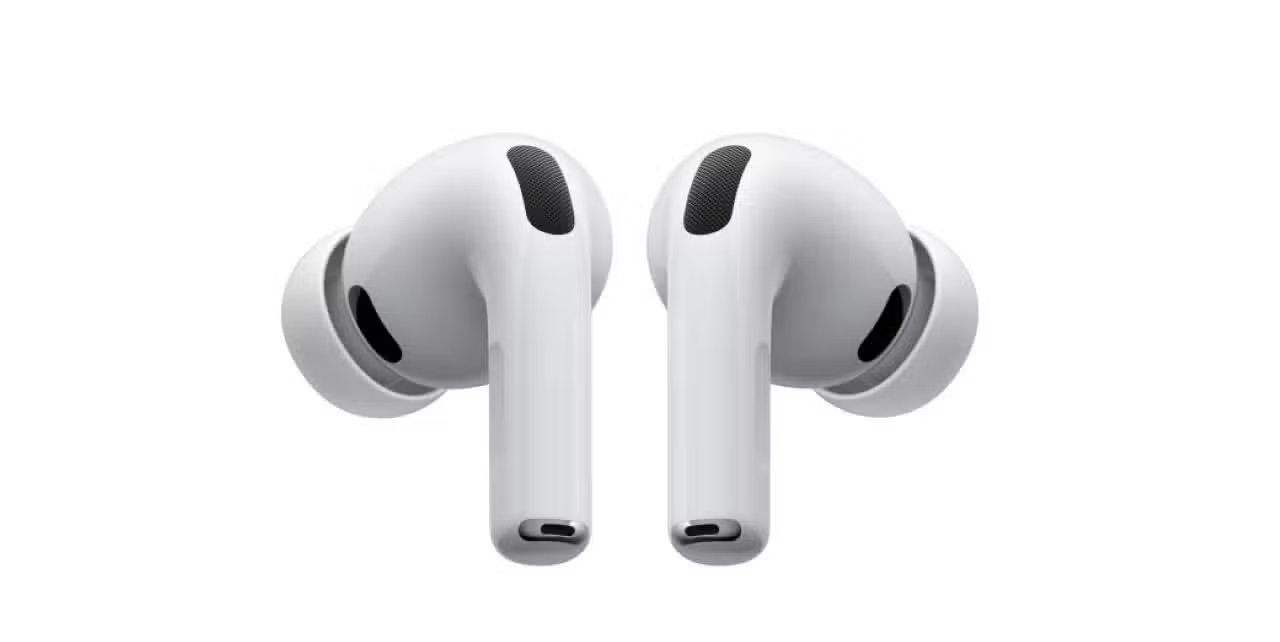
Apple develops a new generation of wireless headphones aimed at the premium segment, scheduled for launch in the second half of 2026. The device, provisionally called AirPods Pro, incorporates infrared sensors and advanced artificial intelligence features. The company seeks to redefine user interaction with audio equipment. The project focuses on eliminating physical touches through spatial controls. Analistas from the technology sector follows the company’s internal tests.
The implementation of these technologies aims to create a direct connection with the Vision Pro and other devices in the manufacturer’s ecosystem. The use of locally processed artificial intelligence reduces latency and improves response to voice commands. The initiative reflects a shift in the company’s hardware design strategy. The wearable devices market is experiencing continuous growth, and the brand is trying to consolidate its position against Asian competitors.

Advanced Integração with Ecosystem and Gesture Control
The main hardware innovation of 2026 lies in the adoption of infrared sensors integrated into the internal structure of the headphones. Estes components map the environment around the user and detect specific head and face movements. The technology allows the individual to answer calls, pause music or adjust the volume without touching the device. The system interprets subtle gestures with high precision. The functionality becomes relevant in situations where hands are busy or dirty.
Pairing with Vision Pro represents a central pillar in the development of this model. Communication between devices occurs continuously, establishing a unified spatial processing network. Quando the user uses the mixed reality glasses in conjunction with the headphones, the perception of three-dimensional audio reaches new levels of immersion. Infrared sensors help track the listener’s exact position in relation to virtual objects projected in the environment.
The engineering behind this integration requires miniaturized components and high-efficiency batteries. The Apple prioritizes reducing the size of printed circuit boards to accommodate new light emitters invisible to the naked eye. The external design should undergo few visual changes compared to the previous generation. The strategy maintains the line’s established visual identity, while completely renewing the product’s internal architecture.
Processador H3 and artificial intelligence features
The functioning of the new tools directly depends on the introduction of the H3 chip, designed specifically for audio processing and machine learning. The silicon manages the flow of data from sensors and runs complex algorithms in real time. Local processing capability ensures that user information does not need to be sent to external servers. The privacy of biometric and voice data remains protected on the device itself. The component also optimizes energy consumption during intense use.
The Apple Intelligence platform acts as the brains behind the adaptive sound experience. The software analyzes ambient noise thousands of times per second and adjusts the equalization profile automatically. Artificial intelligence can isolate the human voice in extremely noisy environments, such as subway stations or busy avenues. The clarity of phone calls presents a substantial improvement compared to models currently available on the market.
- Cancelamento noise active capable of blocking up to 48 decibels of external sound.
- Modo dynamic transparency that reduces sudden high-pitched sounds in fractions of a second.
- Extended battery Autonomia for up to eight hours of continuous playback with features enabled.
- Conectividade Bluetooth 5.4 for greater stability at distances of up to ten meters.
The Siri virtual assistant receives in-depth updates to work alongside new hardware. The response to voice commands occurs almost instantly, eliminating delays common in internet-dependent connections. The user can request real-time translations or request summaries of notifications received on the iPhone. The interaction becomes more fluid and natural, resembling an everyday conversation.
Monitoramento health and technical specifications
Expanded health monitoring capabilities transform headphones into true wellness assistants. The device incorporates sensors capable of measuring the user’s heart rate through the ear canal. The collected data automatically syncs with the iPhone’s Saúde app and the Apple Watch. The accuracy of readings at rest and during light physical activity undergoes rigorous clinical validation tests. The company seeks certifications from regulatory bodies to attest to the reliability of the measurements.
Hearing health gains special emphasis in this generation of products. The system constantly monitors the volume of the media played and the noise level of the external environment. The software issues preventative alerts if it identifies patterns of prolonged exposure to harmful sounds. The user receives detailed reports on their listening habits and suggestions for preserving their hearing in the long term. The initiative reinforces the company’s focus on resources aimed at quality of life.
The physical structure of the device maintains IP54 certification, ensuring resistance against dust, sweat and water splashes. The charging case follows the industry standard with the USB-C port, in addition to supporting wireless charging. A small speaker built into the case emits sound signals to make it easier to locate if lost. The set includes silicone tips in four different sizes, ranging from extra small to large, to ensure optimal sound insulation.
Projeções Market and Pricing Strategy
The launch schedule points to the product arriving in stores between September and October 2026. The window coincides with the company’s traditional autumn event, where new lines of smartphones are usually presented. Mass production is expected to begin in the first half of the same year, involving multiple suppliers at Ásia. The supply chain is undergoing adaptations to meet the manufacturing requirements of new infrared sensors.
Analistas financiers estimate that the retail price of the equipment will be in the range of US$299 to US$349 on the international market. Direct conversion, without considering taxes and import fees, places the value between R$1,532 and R$1,788. The price positioning reflects the inclusion of new technologies and the high cost of research and development. The company is betting that consumers loyal to the brand will be willing to invest in the improved ecosystem.
Competition in the wireless audio industry requires constant innovation to maintain market leadership. Empresas like Samsung and Sony invest heavily in artificial intelligence and noise cancellation in their respective products. Apple projects to capture around 30% of the premium headphone segment with this launch. The sale of wearable devices represents an increasingly significant portion of the company’s total revenue, offsetting any fluctuations in sales of computers and tablets.
Testes quality and hardware development
Engineering laboratories conduct exhaustive tests to ensure the durability of internal components under different climatic conditions. The simulations involve extreme variations in temperature and humidity to evaluate the behavior of infrared sensors. Gesture tracking accuracy cannot be interfered with by sweat or light rain. Prototypes go through thousands of use cycles before final design approval.
Software development occurs in parallel to the creation of hardware, with teams dedicated to optimizing the code. The iOS 20 operating system, scheduled for the same period, will bring the necessary bases to support all the functions of the new headphones. Desenvolvedores third parties will have access to specific tools to integrate gesture controls into their own applications. The openness of the ecosystem encourages the creation of innovative experiences in games and productivity platforms.
The manufacturer’s long-term vision involves the gradual transition to interfaces based on spatial computing. Headphones go from being mere music reproduction accessories to becoming complex data input and output devices. Continued investment in visual and auditory artificial intelligence sets the stage for future launches in the field of augmented reality. The 2026 project establishes the technological foundations that will guide the brand’s next decade of innovations in the consumer electronics segment.