

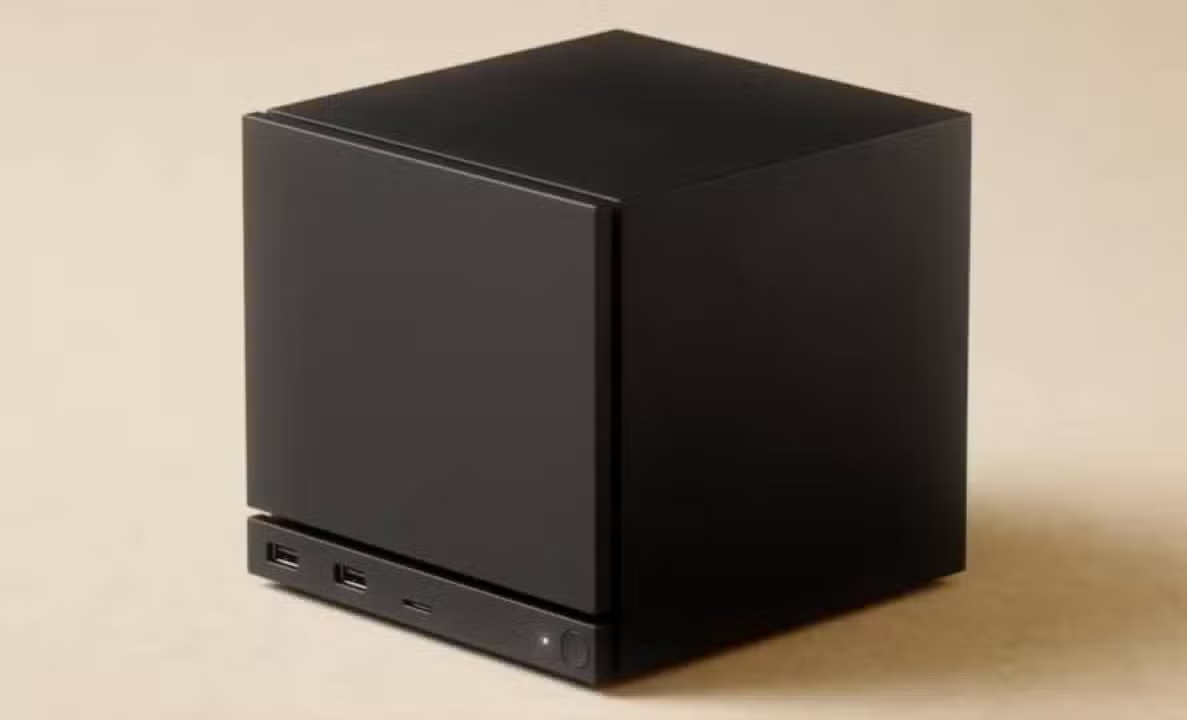
A new report indicates that Valve plans to sell the upcoming Steam Machine for an initial price of US$1,000. The information comes from journalist Jez Corden, recognized for anticipating movements in the electronic games industry. The device seeks to deliver the performance of a desktop computer in the compact format of a living room console. The manufacturer has not yet confirmed the official price of the equipment. The market awaits a formal positioning from the company.
The original schedule predicted the launch of the hardware for the first quarter of 2026. The company chose to postpone the product’s arrival in stores to recalculate production costs. The rise in microchip prices, driven by global demand for artificial intelligence servers, forced a review of the commercial strategy. The device will face direct competition from established systems such as the PlayStation 5 and the Xbox Series X.
Origem information and change in release schedule
Pricing data emerged from sources linked to the initial development of the project. Jez Corden reported that the amount of $1,000 had been circulating behind the scenes since last year. The amount establishes a cost level significantly higher than the current standard in the table console market. Analistas from the industry assess that the price tag reflects the inclusion of extremely high-performance components. Valve maintains absolute secrecy regarding the machine’s definitive specifications.
The postponement of the 2026 window represents a cautious move by the North American manufacturer. The company’s Representantes have publicly mentioned the need to re-evaluate the economic viability of the project before mass manufacturing. Currency fluctuations and instability in global supply chains make it difficult to set a retail value. The decision to postpone the premiere avoids the immediate passing on of unforeseen costs to the end consumer. The strategy aims to guarantee a sustainable profit margin for the hardware operation.
Impacto of artificial intelligence in the supply chain
The technology industry faces a production bottleneck in the supply of advanced semiconductors. The exponential growth of data centers focused on processing artificial intelligence has monopolized the capacity of the world’s leading silicon foundries. The cost of purchasing processors and video cards has skyrocketed in recent months. Esse macroeconomic scenario directly affects the planning of companies focused on gaming hardware. Valve needs to compete for space on assembly lines with corporate technology giants.
Assembling compact equipment requires thermal solutions and customized, high-efficiency chips. The development of these exclusive parts makes the manufacturing process more expensive compared to using standard off-the-shelf components. The manufacturer seeks a balance between the graphics power necessary to run recent releases and an acceptable price for the enthusiast public. Managing this financial equation defines the viability of the company’s new generation of machines. The sector monitors fluctuations in silicon supply contracts.
Arquitetura system and living room usage experience
The central concept of Steam Machine involves the transposition of the computer ecosystem to the television environment. The chassis design prioritizes reduced dimensions to facilitate accommodation in common racks and shelves. Product engineering focuses on silent heat dissipation, a key requirement for home entertainment devices. The integration between the physical hardware and the digital interface occurs natively. The goal is to eliminate the traditional complexity associated with setting up a gaming computer.
The operation of the equipment depends on SteamOS, an operating system developed internally by Valve itself. The platform uses the Arch Linux distribution as its structural basis. Choosing an open source environment guarantees freedom for constant modifications and updates by the developer community. The software architecture eliminates the need for commercial licenses for third-party operating systems. The main technical pillars of the project include the following elements:
- Physical Formato optimized for integration into residential and mobile television environments.
- Simplified use Proposta that emulates the direct and fast experience of traditional consoles.
- Sistema SteamOS operating system based on Arch Linux architecture for greater stability.
- Fully open Código that allows deep adaptations by independent programmers.
- Foco in the high-performance segment to compete with current generation devices.
Adopting Linux requires the use of compatibility layers to run titles originally programmed for other environments. The technology developed by the company translates commands in real time to ensure the catalog works. The efficiency of this tool determines the number of games available on launch day. The technical community actively collaborates in identifying and correcting execution flaws. The open system represents an important competitive differentiator for the product.
Posicionamento on the market against PlayStation 5 and Xbox Series
The addition of $1,000 hardware changes the pricing dynamics of electronic entertainment. The PlayStation 5 and Xbox Series X operate at considerably lower price points, subsidized by software sales and monthly subscriptions. Valve does not charge fees for access to online multiplayer mode in its digital store. Essa lack of mandatory monthly fees serves as a selling point to compensate for the higher initial investment in the device. The consumer needs to calculate the long-term cost when choosing the platform.
Attracting users already included in the Sony and Microsoft ecosystems requires offering exclusive advantages. The Valve machine allows immediate access to game libraries accumulated by users over years on the Steam platform. Full backwards compatibility with previous purchases eliminates the need to repurchase titles for the new system. The flexibility of the device also allows the installation of competing stores and various applications. The equipment functions as an unrestricted computer under the owner’s full control.
Perspectivas commercials and the manufacturer’s history in the sector
The company’s foray into the hardware market has accumulated varied experiences over the last decade. The first attempts to launch classroom computers faced standardization and marketing difficulties. Recent commercial success with portable devices has provided valuable data on the acceptance of the proprietary operating system by the general public. The company uses this accumulated knowledge to refine the proposal for new table equipment. The current production chain presents a higher level of maturity than the brand’s previous projects.
The technology sector awaits the official release of the device’s processing and memory specifications. Actual high-end gaming performance will justify positioning in the premium category. Distribution strategy and availability in international markets also affect the global impact of the launch. The company remains focused on optimizing the software while negotiating the costs of the physical components. The console market is closely watching the North American manufacturer’s next steps to expand its ecosystem.