Colombians cast ballots in pivotal election, shaping nation’s peace trajectory and leadership
Colombians cast ballots in pivotal election, shaping nation’s peace trajectory and leadership
Millions of Colombians headed to the polls on Sunday for the first round of the nation’s presidential election, a critical moment that will determine the country’s direction amidst profound social and political divisions. Voters are tasked with choosing between candidates who present starkly different blueprints for addressing the enduring challenges of peace and development.
The electoral contest is unfolding against a backdrop of a country still grappling with the complex legacy of decades of internal armed conflict. The future of the historic 2016 peace accord, signed with the Revolutionary Armed Forces of Colombia (FARC) guerrillas, stands as a central theme in the political discourse.
This election is widely viewed as a crucial referendum on the policies implemented by outgoing President Gustavo Petro, whose administration has championed a vision of “total peace” and significant social reforms. His tenure has been marked by ambitious initiatives aimed at reducing inequality and fostering reconciliation, alongside intense debate over their effectiveness and financial viability.

The candidates vying for the nation’s highest office represent a broad ideological spectrum, with one contender closely allied with the current administration’s agenda and others presenting platforms that resonate with more conservative, pro-business, and security-focused ideologies.
A Decade Since the Peace Accord
The 2016 peace agreement, which formally ended a 52-year conflict with the FARC, was a landmark achievement, earning international acclaim and offering a glimmer of hope for a nation scarred by violence. It aimed to address root causes of the conflict through rural development, political participation for former combatants, and justice for victims.
However, the implementation of the accord has been uneven and fraught with challenges. Persistent violence in certain regions, often fueled by dissident groups, other illegal armed actors, and drug trafficking, underscores the fragility of the peace process and the immense task of state building in remote areas. This
Veja Tambem em Últimas Notícias

Paterson urges heightened scrutiny for One Nation amidst political shifts; national minimum wage decision looms

Bolsa família: governo federal detalha novas regras e benefícios complementares do programa

Astro do reality Alaskan Bush People, Matt Brown é encontrado morto em rio aos 43 anos
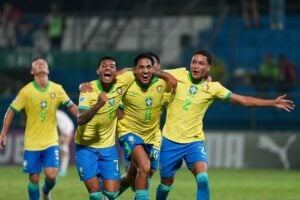
Seleção Brasileira define rota no Grupo C da Copa do Mundo 2026 com estreia diante de Marrocos

Reestruturação global da fabricante OnePlus afeta liderança e Robin Liu deixa comando na Índia

Nintendo libera atualizações técnicas para estabilizar dez jogos do console original no Switch 2

Samsung descarta tecnologia AES para a S Pen e mantém sistema clássico no Galaxy S27 Ultra

Transmissão do Xbox Partner Preview revela detalhes inéditos de Stranger Than Heaven e S.T.A.L.K.E.R. 2

Shows de Jay-Z no Yankee Stadium registram ingressos de arquibancada a US$ 12 mil em revenda

Aparelho da Apple mantém alto desempenho e atrai consumidores com chip A18 e câmeras avançadas em 2026

Linha Galaxy S26 ganha integração automática com AirDrop da Apple por meio do Quick Share