FIFA makes seven new games official with Netflix and Konami to expand market before 2026

FIFA confirmed the implementation of a decentralized model for the esports market. The organization plans to release seven distinct titles for computers, consoles and mobile devices. The schedule establishes the arrival of products before Copa of Mundo in 2026. The decision ends the exclusivity format maintained for decades with a single software developer. The project seeks to fragment the brand’s presence across multiple digital genres. The strategy encompasses traditional simulators, metaverse environments and casual platforms. Executivos aims to reach different age groups of consumers. The movement represents the institution’s largest commercial restructuring in the technology sector.
Interactive product licensing has undergone a complete behind-the-scenes overhaul. The previous management prioritized the concentration of rights in a single annual simulation software. The new format distributes intellectual property between different studios. The change allows for the simultaneous creation of experiences aimed at specific niches of digital entertainment. The fragmentation of commercial rights attracts corporations from different segments of technology. Netflix and Konami take prominent positions in the initial partnership portfolio. Delphi Interactive leads the development of the main project focused on the streaming platform. Mythical Games focuses its efforts on building its own competitive environment.
Fim of exclusivity and adoption of multiple trading partners
The expansion of licensing goes beyond the limits of conventional football games. The federation approved the insertion of official elements into ecosystems already established in the global market. Roblox welcomes the project aimed at children and teenagers. Rocket League incorporates themed mechanics into its virtual arenas. Using third-party platforms reduces development costs and accelerates user acquisition. The model guarantees immediate presence in communities that bring together millions of active players daily. The brand atomization strategy attempts to mitigate the risks associated with launching entirely new intellectual properties.
Analistas from the technology sector monitors the impact of this transition on the organization’s revenue. The entry of streaming companies into financing sports projects generates billions of dollars. The integration of systems based on blockchain and artificial intelligence appears in the long-term scope of partner studios. The business model tests the feasibility of fragmenting a global brand into dozens of microtransactions. Monitoring engagement will dictate the renewal of contracts after the end of the world tournament. User retention metrics and download volume define the continuity of each project.
Integração from brands on metaverse and content creation platforms
The publication calendar follows the preparatory cycle for the selection tournament in América of Norte. The distribution of products will occur in a staggered manner over the next few months. Cada partner studio has autonomy to define monetization methods and content updates. The official list details the projects approved for the first cycle of commercial expansion. The diversity of platforms requires specific technical adaptations for each hardware. Mobile apps are optimized for touch screens and unstable internet connections. High-performance computer software uses advanced graphics engines.
The visual standardization of the brand remains under the direct supervision of the international federation. Developers must follow strict guidelines regarding representation of athletes and competitions. Approval of each stage of the design goes through internal evaluation committees. The process guarantees aesthetic uniformity even with different companies operating the source codes. The strategy avoids the mischaracterization of official symbols during the transition to playful virtual environments. Quality control ranges from ball physics to the reproduction of licensed stadiums.



Cronograma launches and distributes new titles
The organization detailed the partners and platforms chosen for the first phase of the digital project. The contracts provide for prolonged technical support and periodic updates. The distribution covers the main operating systems on the current market.
- FIFA World Cup: Produzido by Delphi Interactive for the Netflix catalog. The premiere takes place in June 2026. Planning includes later adaptations for consoles and computers.
- FIFA eFootball: Desenvolvido together with Konami. The product focuses on the high-performance sports simulation market.
- FIFA Rivals: Criado by Mythical Games. The system prioritizes ranked disputes and virtual competitions.
- FIFA Superstars: Hospedado on Roblox servers. The interface serves consumers interested in social interactions.
- FIFA World: Adicionado to Rocket League system. The integration mixes vehicle driving and football rules.
- FIFA PowerUp: Projeto in the structuring phase. Technical details remain commercially confidential.
- FIFA Football: Vinculado to Upland app. The mechanics explore geolocation and augmented reality elements.
The separation of titles prevents cannibalization of the target audience. A player of complex simulators does not directly compete for the screen time of the user of geolocation applications. The multiple partner architecture prevents the ecosystem from being paralyzed in the event of technical failures on a specific server. Scheduled maintenance for a game does not affect the functioning of other products in the line. Operational independence provides stability to the brand’s digital presence.
Estruturação of virtual competitions and seasonal events
The organization has categorized releases into four operational divisions to facilitate tournament management. The esports department plans independent competitive circuits for each product. The separation between casual and professional players guides the distribution of financial rewards. The decentralized format allows simultaneous events to be held in different time zones. The software update calendar follows the professional football schedule. Developers program expansion packs based on the real performance of athletes and clubs.
The flexibility of contracts facilitates the inclusion of themed campaigns during continental and global competitions. The federation maintains ownership of data generated by consumers across all partner platforms. Processing this information guides future sports marketing campaigns. Cross-referencing usage statistics reveals peak times and consumption preferences in different regions of the planet. Behavioral analysis supports the creation of new game modes and the pricing of virtual items. The technological framework supports the massive traffic expected during the Copa realization of the 2026 Mundo.
Veja Tambem em Latest News (EN)

Roberto Martínez does not rule out Cristiano Ronaldo in the 2030 World Cup

Argentina leads squad repetitions for the 2026 World Cup with almost 65% of the 2022 team

Daphne Joy speaks out after leak of explicit video with Diddy

Satellite images record destruction after New Glenn rocket explosion

June 2026 full moon occurs on Monday with the Strawberry Moon

BYD launches Seal 6 DM-i Touring with almost 5 meters and autonomy of up to 1,200 km

Project Svarog and other tests show potential and limits of solar sails in space

Shockwaves from dying stars sculpt cosmic wagon wheel-shaped stellar nurseries

Imperial College study points to solar sails at the edge of the Solar System in 10 or 20 years

Kim Kardashian publishes first photos alongside Lewis Hamilton on a bike ride
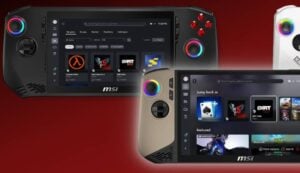
MSI Claw 8 EX AI+ is presented at Computex with Intel Arc G3 Extreme