

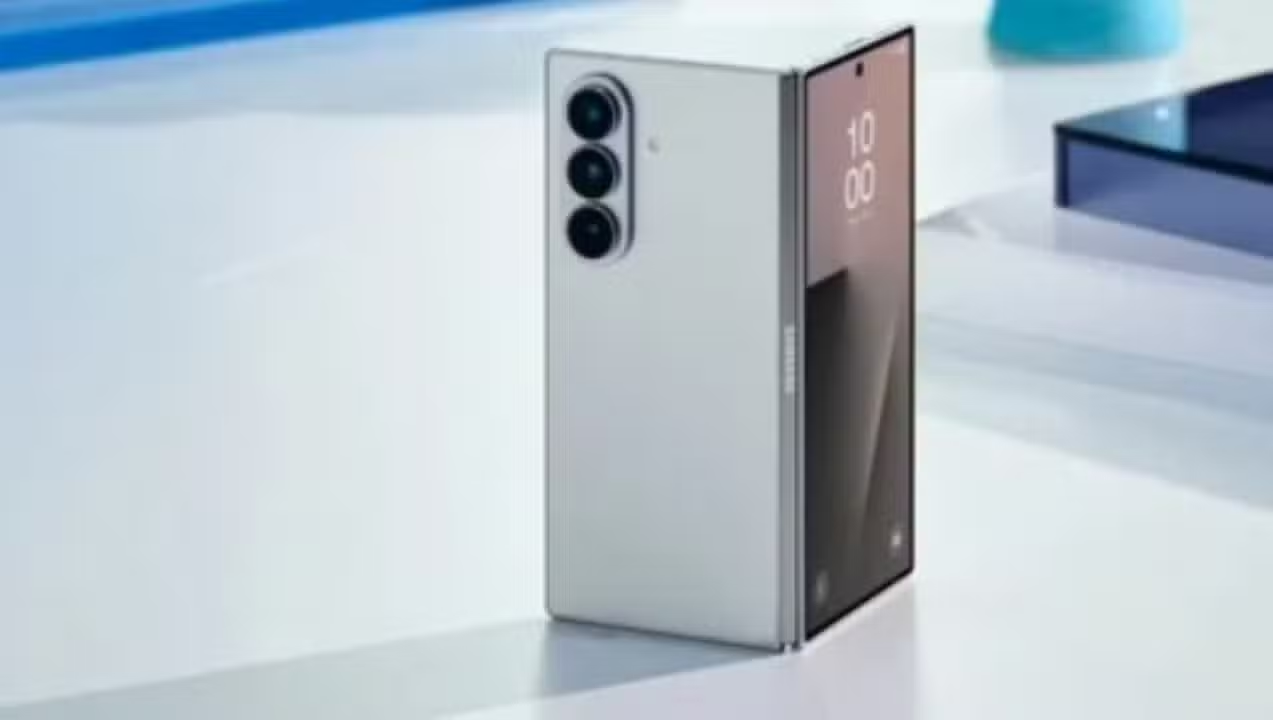
Imagens based on computer-aided design of the unreleased Galaxy Z Fold 8 Wide appeared on technology forums this week. The model, identified by development code H8 and numbering SM-F971U, presents a significant structural change compared to previous foldables from Samsung. The South Korean manufacturer is betting on a wider chassis instead of the traditional vertical format. The official announcement of the device should take place during the northern hemisphere summer, together with the standard version of the line.
The change in smartphone geometry reflects a new approach to media consumption and mobile productivity. The more horizontal design brings the user experience closer to that of a compact tablet right from the moment of opening. Especialistas in hardware point out that the modification aims to meet the demand of consumers who seek greater comfort when typing and watching videos. The strategy also reinforces the company’s position in a market increasingly contested by Asian brands.

Novo format changes screen aspect ratio and device usability
The main distinction of the Galaxy Z Fold 8 Wide lies in its aspect ratio. The internal display measures approximately 7.6 inches diagonally. However, the distribution of this space prioritizes width. Essa configuration eliminates the need to rotate the device to watch content in landscape format. The user gains agility in daily handling. Text editing and spreadsheet Aplicativos also benefit directly from this expanded footprint.
On the outside, the panel measures around 5.4 inches. The small size compared to conventional smartphones makes it easy to navigate with just one hand when the device is closed. Samsung continues to develop ultra-thin glass technologies for the main panel. The brand’s ongoing engineering goal is to minimize center crease, a characteristic inherent in today’s flexible displays. The durability of the hinge also undergoes revisions with each new generation.
Especificações hardware indicates focus on high performance
The processing set of the new foldable complies with the demands of the premium segment. Consistent Rumores indicates the adoption of the Snapdragon 8 Elite Gen 5 for Galaxy chip. The component represents the most advanced level of silicon available for Android mobile devices in 2026. The processor architecture ensures superior power efficiency and expanded capacity for local artificial intelligence processing. Complex Tarefas runs smoothly.
Memory options match the firepower of the central processor. The device should hit the market with 12 GB and 16 GB RAM variants. Internal storage offers configurations that reach up to 1 TB of capacity. Essa technical structure allows the execution of multiple applications simultaneously on the split screen, one of the main attractions of the Fold line. The transition between tasks occurs without choking or unexpected closing of background processes.
The power supply system presents robust numbers for the category. The battery has a nominal capacity of around 5,000 mAh. Fast charging support reaches 45 W via USB-C cable. Wireless charging operates at 25 W. Esses values guarantee autonomy for a full day of intense use, even with the lighting on the two screens operating at high levels.
Leaked Dimensões details the thickness and relief of the camera module
CAD files provide precise measurements about the physical structure of the smartphone. The thickness of the device varies considerably depending on the state of use and the region measured. The rear camera module houses just two sensors, but has a noticeable protrusion. Esse relief generates debates about the stability of the phone when placed on tables. The final design may still undergo minor calibration adjustments before mass production begins.
- The device measures 123.9 x 161.4 x 4.9 millimeters when it is fully opened.
- In the closed state, the base dimensions are 123.9 x 82.2 x 9.8 millimeters.
- The maximum thickness reaches 14.6 millimeters in the specific area of the photographic lenses.
- The external panel has 5.4 inches of useful area for quick navigation.
- The internal flexible display measures 7.6 inches with native orientation in landscape mode.
The dual photo setup differs from the standard triple seen in previous generations of the mainline. The Samsung usually equips its more expensive models with ultrawide, main and telephoto lenses. The presence of only two cameras in the Galaxy Z Fold 8 Wide suggests a readjustment of internal space. The manufacturer may have prioritized battery capacity or chassis thickness over an additional optical sensor. The quality of image processing, however, must remain at the top of the line.
Commercial Estratégia aims to diversify premium device portfolio
The introduction of an Wide variant signals a shift in the way Samsung views the foldable consumer. The simultaneous launch of two different formats within the same product family fragments the offer to target specific niches. The standard model caters to users already accustomed to a vertical and narrow footprint. The new version aims to capture customers who found the previous external screen uncomfortable for prolonged typing.
The brand’s software ecosystem will need to adapt to this new proportion. The One UI, based on the Android operating system, requires optimizations to adequately fill the wider screen. Compatibility with the Pen S Pen remains a strong market expectation, although current leaks do not confirm an internal compartment for the accessory. The integration of productivity tools defines the commercial success of this category of high-cost devices.
Concorrência in the sector drives changes in the manufacturer’s design
The global market for smartphones with flexible screens is going through a period of maturation and high competitiveness in 2026. Empresas competitors present devices that are increasingly thinner and with proportions that imitate conventional phones when closed. Samsung’s response with the Galaxy Z Fold 8 Wide demonstrates a tactical move to not lose space in the segment that it itself helped to popularize. Innovation in design becomes the main selling point.
The data extracted from CAD renders represents an advanced stage of development, but not the final product. Hardware engineering carries out rigorous durability and ergonomics tests up until the weeks before manufacturing. Detalhes finishing, shell materials and total equipment weight will only be confirmed at the official launch event. The technology sector awaits the manufacturer’s next steps to assess the real impact of this new geometry on everyday use.