

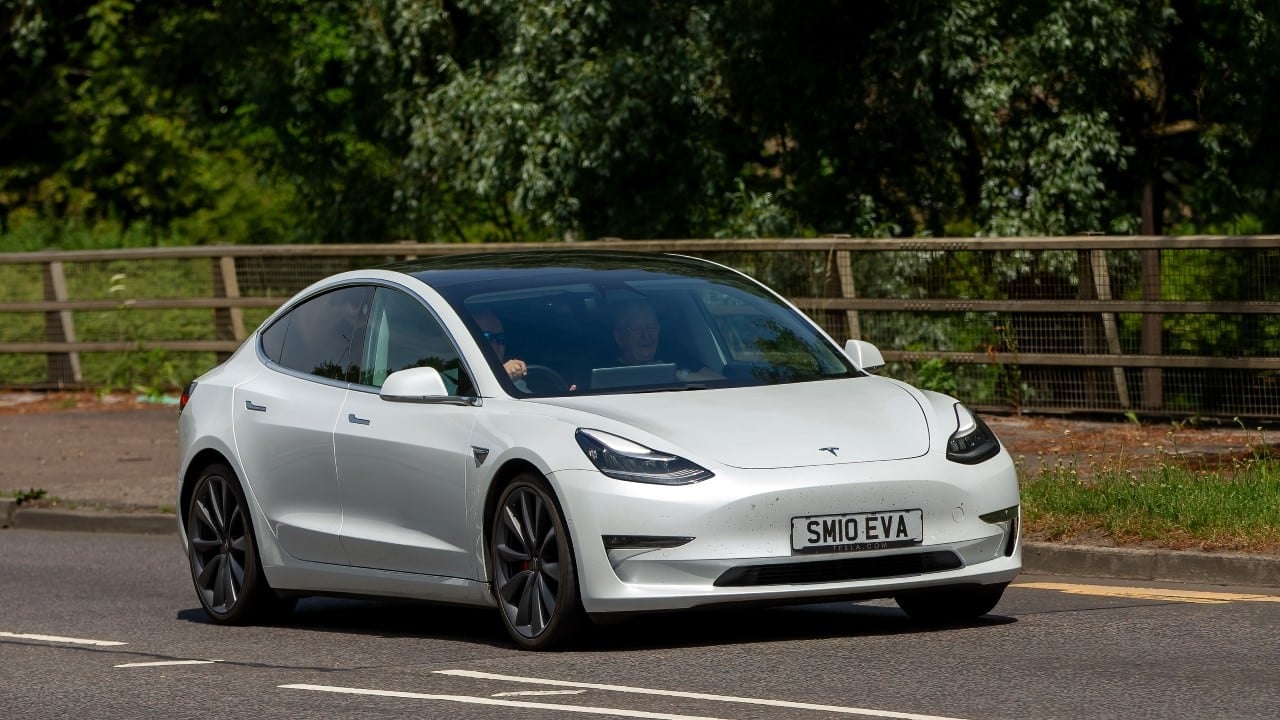
The Tesla development leadership debates the feasibility of introducing a triple engine configuration into the brand’s compact sedan assembly line. The internal project envisages the creation of an Model 3 equipped with the Plaid system. The North American automaker has the technical capacity to expand its high-performance fleet. Executives, however, direct the main hardware resources towards finalizing the Roadster sports car. The decision reflects the company’s current strategy in the electric vehicle sector.
Tesla’s vice president of vehicle engineering detailed the behind-the-scenes look at this corporate assessment. Lars Moravy participated in an interview on the Ride The Lightning podcast and confirmed the team’s interest in the project. The executive stated that he is constantly thinking about adapting the advanced powertrain to the smaller chassis. The statement highlights a strong inclination of the engineering department towards building the model. Short-term commercial guidelines maintain financial focus on other priority launches.

More on this story: Unprecedented agreement between General Motors and Hyundai defines the creation of four vehicles for the continent
Complexidade architectural propulsion system
Installing a third electric motor on the rear axle requires profound modifications to the car’s original structure. Moravy explained that adaptation transcends the simple addition of basic mechanical components. The Plaid propulsion system operates with specific rotors encased in carbon fiber sleeves. Este high strength material prevents physical expansion of parts during extreme operation. Permanent magnet motors can reach speeds much higher than the automotive industry standard. Power delivery occurs continuously and optimized. The engineering challenge rules out the possibility of superficial updates to the existing platform.
The automaker’s designers apply the work-for-reward concept when evaluating new products. The team calculates the exact development time required against the commercial benefit generated by the new version. Building a faster Model 3 comes up against the high costs associated with manufacturing carbon gloves. Integration of the complete powertrain demands a rigorous structural review. Engineers need to redesign the thermal management system to accommodate the extra heat generated by the equipment. The torsional capacity of the chassis also requires substantial reinforcements to withstand the brute force of the triple assembly.
Exigências extreme speed control
The drastic increase in cavalry deliveries requires the replacement of vital active security systems. The version currently sold under the name Model 3 Performance already presents impressive numbers on the test tracks. The vehicle reaches the mark from zero to 96 km/h in just 2.9 seconds in the configuration sold on the Estados Unidos market. The implementation of Plaid technology would represent an unprecedented dynamic leap for the midsize sedan category. Heat dissipation becomes the main obstacle for developers.
Correctly sizing braking parts consumes a large part of the research and development budget. The maximum speed designed for the model requires components capable of withstanding severe friction repeatedly. The automaker would need to change the supply line to ensure occupant safety. An eventual Model 3 Plaid would require the following mandatory structural modifications:
- Implementação brake discs with enlarged diameter and carbon ceramic composites for high-speed braking.
- Otimização of the cooling ducts to manage the temperature of the three electric motors and the battery pack.
- Adaptações in suspension geometry and chassis to absorb the impact of gravitational forces during hard acceleration.
- Desenvolvimento of specific rubber compounds for tires to support the grip required by instantaneous torque.
The company’s own testing history serves as a warning about the risks involved in high performance. Moravy reported episodes that occurred during the initial calibration phase of the Plaid system in closed circuits. The original prototypes suffered from spontaneous ignition of the carbon-ceramic brakes after a single lap at qualifying pace. The incident illustrates the massive amount of kinetic energy generated by electric motors. The vehicle safety team requires absolute guarantees before approving the series production of any automobile with this technical specification.
Full coverage: Latest News (EN)
Strategic Direcionamento for the Roadster project
The engineering department channels the current workforce towards completing the brand’s top-of-the-line sports car. Lars Moravy points to the Roadster as the definitive receiver of the most powerful engines ever manufactured by the company. The project was born with the exclusive premise of breaking speed records on asphalt. The technical team is given the freedom to explore the limits of physics without the obligation to maintain daily energy efficiency. The car will serve as Tesla’s main technological showcase for the global market.
The automaker’s internal culture prioritizes battery autonomy in most of its commercial projects. The executive admits that engineers find it difficult to abandon the energy-saving mentality during working hours. The Roadster provides a rare platform where electrical consumption takes a backseat. The corporate strategy ensures that million-dollar investments in research generate tangible results in pure acceleration. The company seeks to redefine accepted standards for regular production electric vehicles.
Origem technology and market adaptations
The triple engine architecture has a curious trajectory within the North American manufacturer’s laboratories. The Plaid powertrain initially appeared in the drafts of the original Roadster prototype presented in 2017. The board changed the schedule for using the technology after an aggressive move by the European competition. The Porsche set a record time on the Nürburgring circuit with the Taycan electric model. The event forced Tesla to immediately transfer hardware to the Model S. The maneuver allowed direct competition in the ultra-high-performance luxury sedan segment.
The rush to change planning exposed gaps in the luxury vehicle’s mechanical support. The first units of the Model S Plaid arrived in customer garages without proper carbon-ceramic brakes. The absence of equipment generated a dangerous imbalance between acceleration capacity and stopping power on race tracks. The automaker had to intervene in the after-sales market months after the official launch. The company began selling brake upgrade kits costing $20,000 to correct the technical deficiency.
Perspectivas for the compact sedan line
The natural evolution of the product catalog keeps the triple engine idea alive in the halls of corporate headquarters. The performance seal already exists and assembly lines dominate the production of carbon rotors. Moravy maintains a cautious stance on official manufacturing dates and confirmations. The vice president recognizes that solving the mechanical puzzle attracts the best talent on his team. The launch schedule, however, blocks the allocation of financial resources to the factory at the current time.
Basic physics would play in the smaller sedan’s favor in an approved production scenario. The Model 3 has a total mass considerably lower than the weight recorded by the Model S on industrial scales. The weight reduction would make it easier for engineers to calibrate the deceleration system at extreme speeds. The vehicle would still require larger discs than those of the Performance version, but thermal wear would be less. Executives also debate the commercial impact of a possible Model and Plaid to appeal to the SUV enthusiast audience.