

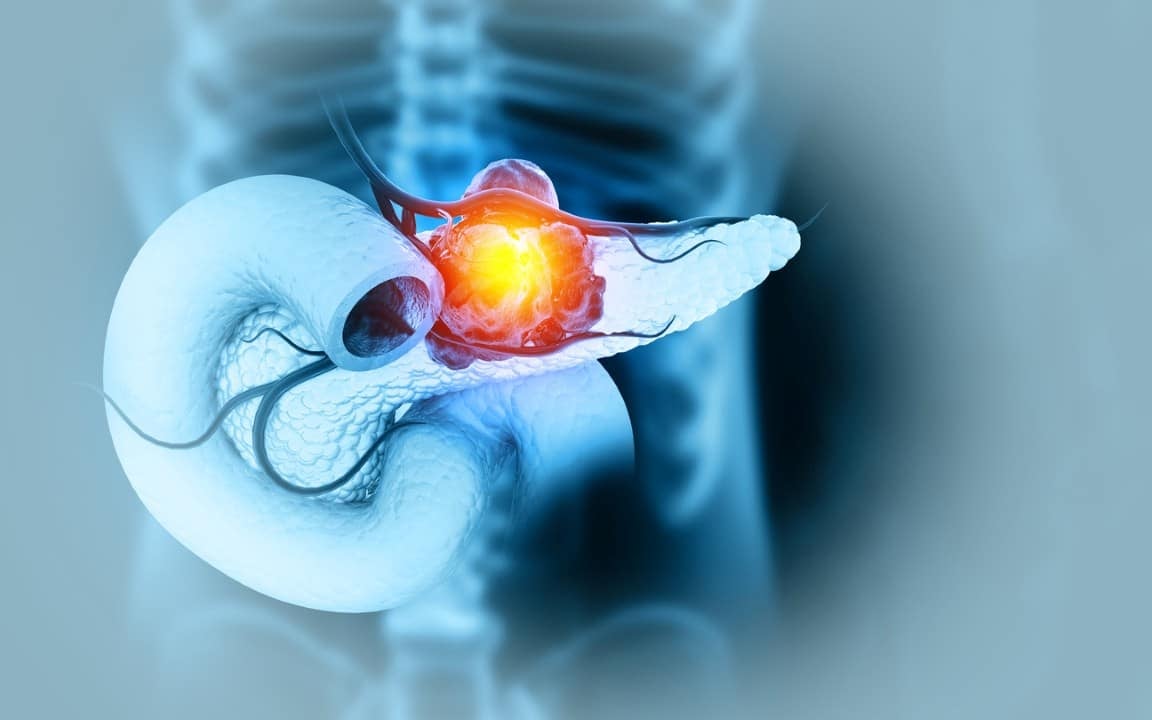
The phase 3 clinical trial called RASoute 302 presented unprecedented results during the Sociedade Americana of Oncologia Clínica annual meeting. The data reveal that the experimental drug Darakisonrasib, administered orally, managed to double the overall survival time in patients diagnosed with metastatic pancreatic cancer. The research focused on individuals who had already undergone previous treatments without success. The scenario offers a new perspective for a clinical condition historically associated with severe prognoses and limited therapeutic options in healthcare networks.
Desenvolvido by the pharmaceutical company Revolution Medicines, the drug acts directly on mutations in the RAS gene. Essa genetic alteration is present in the vast majority of pancreatic tumors registered worldwide. Durante decades, the scientific community considered this protein as an unattainable target for pharmacological interventions. The new study breaks this paradigm by demonstrating efficacy in blocking disease progression. The tolerable safety profile also caught the attention of experts, as it allows the maintenance of participants’ quality of life in an advanced stage of the oncological condition.
Detalhes of the clinical trial and applied methodology
The survey involved the participation of 500 patients in medical research centers distributed globally. The volunteers were randomly divided into two distinct groups to allow a rigorous comparison of results. The first contingent received daily doses of Darakisonrasib. The second half continued treatment with standard chemotherapy protocols currently available in hospitals. The methodology followed the highest international clinical standards to guarantee the validity of the information collected.
The researchers monitored the clinical evolution of the participants for a median period of 8.5 months. The main objective of the study was to measure overall survival. Esse indicator represents the total time that patients remained alive after the start of drug intervention. Scientists also evaluated progression-free survival. Essa metric indicates the exact period in which the tumor stopped growing in the patient’s body.
Statistical analysis confirmed that the differences between the two groups were significant and consistent. Pacientes with different ages and previous treatment histories showed similar benefits when using the new molecule. Esse consistency level reinforces the robustness of the presented data. The finding suggests that the drug has a universal mechanism of action against tumor cells that express the specific mutation of the RAS gene, regardless of the demographic characteristics of the individual affected by the disease.
Resultados Efficacy Demonstrates Therapeutic Superiority
The consolidated numbers from the RASoute 302 study show a quantitative leap in the management of end-stage disease. The group treated with targeted therapy achieved milestones that exceeded the initial expectations of the project researchers themselves. Reducing the risk of mortality sets a new standard for second-line therapies. The control of tumor progression also surprised the medical team responsible for daily monitoring of inpatients and outpatients.
The main clinical indicators extracted from the research detail the extent of the benefit provided by the new pharmacological approach:
- Median overall survival reached 13.2 months in the Darakisonrasib group, versus 6.6 to 6.7 months in the chemotherapy cohort.
- The overall risk of death among patients who received the new pill suffered a significant reduction of 60%.
- The progression-free survival time of the disease doubled, from 3.5 months to 7.3 months.
- The objective response rate, which indicates visible tumor shrinkage, was 31% with the new drug.
- Apenas 1.2% of patients discontinued treatment due to serious adverse effects related to the medication.
The 31% response rate is considered a historic milestone for metastatic pancreatic tumors in the salvage phase. Observar regression of lesions at this stage of the disease is a rare event in daily clinical practice. Traditional chemotherapy had a response rate of just 11.2% in the same survey. The contrast confirms the inherent difficulty of combating this type of neoplasm with the conventional chemical tools used in recent decades.
Epidemiological Impacto and paradigm shift in Brasil
Pancreatic cancer is among the most lethal neoplasms today. The disease is characterized by an often late and silent diagnosis. Cerca 80% of cases are discovered when the tumor has already spread to other organs in the body. No Brasil, statistics point to the emergence of approximately 13 thousand new diagnoses annually. Quase 12 thousand patients end up dying in the same period due to the aggressiveness of the disease and the lack of symptoms in the initial stages of tumor development.
The RAS gene mutation is present in more than 90% of diagnosed pancreatic tumors. The three-dimensional structure of this protein has prevented drug molecules from binding to it effectively in the past. The development of Darakisonrasib represents the definitive overcoming of this complex biochemical barrier. The drug acts as a direct and precise inhibitor. Ele blocks cellular signals that order the uncontrolled multiplication of malignant cells in pancreatic tissue.
The presentation of the data generated a strong commotion among the experts present at the international congress. Relatos indicate that the audience of oncologists gave a standing ovation when the survival graphs were displayed. The behavior is unusual in highly technical scientific events. The reaction reflects the frustration built up by years of failed attempts to develop drugs for the condition. The prospect of offering additional months of life fundamentally changes therapeutic planning in doctors’ offices around the world.
Próximos regulatory steps and agency approval
Revolution Medicines prepares the submission of the complete dossier for Food and Drug Administration in Estados Unidos. The drug already has the designation of innovative therapy granted by the American agency. The status speeds up the analysis and approval process for medicines intended for serious illnesses. The classification is reserved only for compounds that demonstrate substantial clinical superiority over treatments currently available on the global pharmaceutical market.
Agência Nacional of Vigilância Sanitária will require the submission of an independent process to release the drug to commercialization in Brasil. Especialistas in regulation estimates that the national process may take a few additional months after eventual international approval. Pacientes who have exhausted conventional options rely on compassionate use programs at this time. Inclusion in new arms of clinical trials also represents an access route for the most seriously ill patients.
The medical community is turning its attention to the potential use of Darakisonrasib in earlier stages of the disease. Novos research protocols are already being designed to test the drug as first-line therapy. Administration soon after initial diagnosis can maximize the positive effects of the molecule. The goal of modern oncology is to transform metastatic pancreatic cancer into a long-term, manageable chronic condition. Current data provide the strongest scientific basis to date to enable this transition in cancer care.