

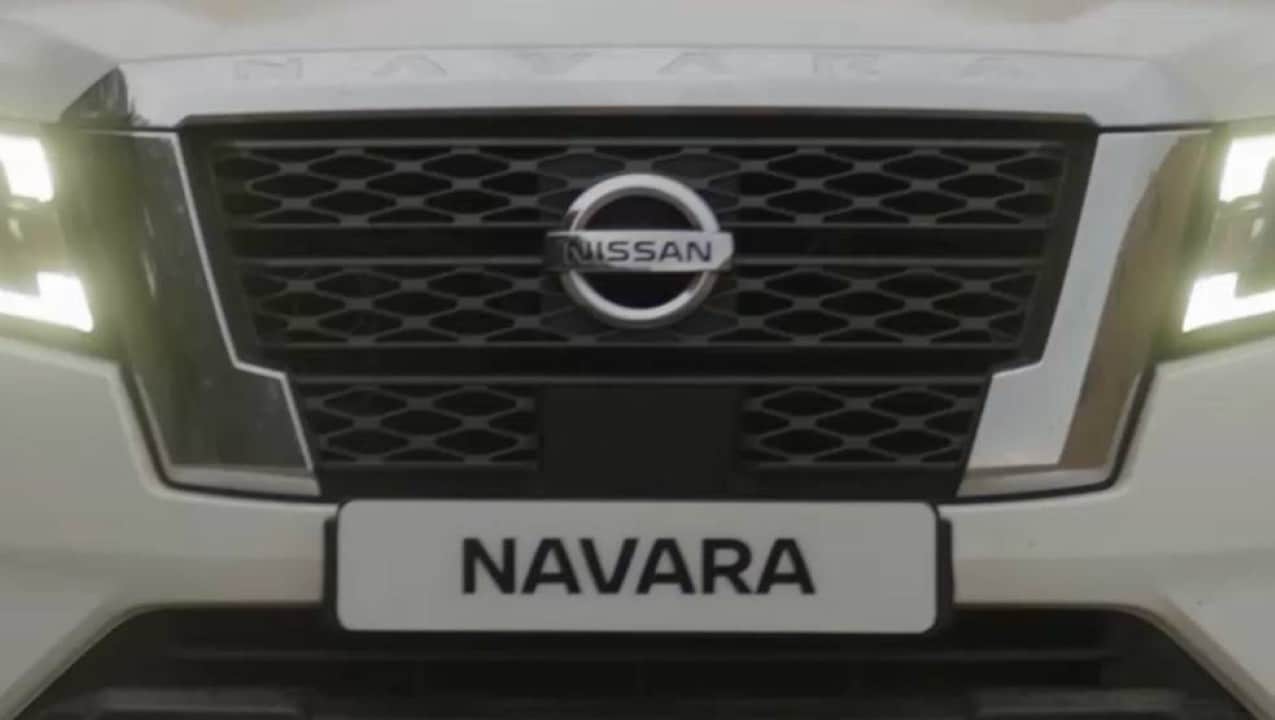
Nissan officially unveiled the Primera EV sedan and Navara Pro Plug-in Hybrid pickup truck during the tenth edition of Salão Internacional of Automóvel of Filipinas. The announcement took place this Wednesday, June 4, 2026. The new vehicles arrive to strengthen the presence of the Japanese brand in the Sudeste Asiático. The initiative marks the beginning of a new commercial cycle focused on sustainable mobility.
The two models were fully developed and manufactured at China. The automaker uses Chinese facilities as a central base for exporting new clean technologies. Nissan Performance Director Guillaume Cartier led the presentation on Manila. Ele highlighted the importance of bringing these products to consumers outside of China for the first time on a large scale.

China’s strategic role in the automaker’s global production
The decision to use the Chinese industrial hub reflects a profound change in the company’s logistics. Nissan has set China as its main electrification innovation center in April 2026. Local factories have high daily production capacity. The Asian country dominates the supply chain for batteries and electrical components. The logistical arrangement allows a significant reduction in manufacturing costs.
The sending of Primera EV and Navara Pro Plug-in Hybrid to Filipinas materializes this new corporate guideline. The automaker is able to accelerate the development time of new vehicles with the Asian structure. The strategy aims to meet the growing global demand for sustainable alternatives in daily transport. Executives plan to expand this export model to other regions in the coming months. Competitiveness in the automotive sector requires quick responses from major brands.
Características initials for electric sedan and hybrid pickup truck
The Primera EV enters the market with the aim of attracting the demanding urban consumer. The all-electric sedan features a design focused on aerodynamics and energy efficiency. The vehicle’s interior features refined finishes and digital panels integrated into the main dashboard. Advanced connectivity is one of the strengths of the engineering project. The model seeks to deliver a quiet and comfortable driving experience for daily use in large cities.
The Navara Pro Plug-in Hybrid operates in a different segment and focuses on extreme versatility. The pickup combines a traditional combustion engine with an electric propulsion system that can be recharged through sockets. The hybrid architecture maintains the load capacity and off-road strength characteristic of the Navara line. The driver can use purely electric mode on short journeys within the city. The thermal engine guarantees extended autonomy for long trips or heavy work in the field.
The introduction of these vehicles caters to different customer profiles in the current Philippine market. The manufacturer has established clear guidelines for the positioning of each product in dealerships:
- The Primera EV focuses on cutting-edge technology and zero pollutant emissions.
- The Navara Pro Plug-in Hybrid ensures robustness for work and play.
- Ambos projects utilize newly developed modular platforms.
- The automaker plans to start official sales in the second half of 2026.
The combination of an electric sedan and a hybrid pickup truck demonstrates the brand’s engineering flexibility. Consumers gain options suited to their specific daily mobility needs.
Expansão of the electrified portfolio in the Asian market
The automaker’s stand at the event in Manila also featured other important technological innovations. Nissan showcased the new generations of Kicks e-POWER and X-Trail e-POWER to the Filipino public. Esses SUVs use the Japanese manufacturer’s proprietary hybrid system. The combustion engine only works as a generator of energy for the internal batteries. Wheel traction occurs exclusively electrically in all situations of use.
The simultaneous presence of fully electric vehicles, plug-in hybrids and e-POWER models creates a diverse catalog. The company recognizes that the energy transition occurs at different paces depending on the infrastructure of each region. The Filipinas market shows constant growth in the adoption of cleaner cars. The local government has implemented tax incentives to encourage the purchase of electrified models by the population.
Guillaume Cartier reinforced the brand’s commitment to continuous innovation during the press conference. The delivery of vehicles manufactured at China to other Asian countries strengthens the regional distribution network. Nissan seeks to consolidate its market share in the face of the advancement of direct competitors on the continent. The diversification of propulsion technologies is the automaker’s main commercial tool today.
Infraestrutura and next steps towards official launch
The manufacturer chose not to disclose all technical specifications during the models’ first public appearance. Exact data on battery capacity, engine power and official autonomy remain industrial secrecy. Executives reported that these details will be revealed at a date closer to the start of sales. Suggested prices for the end consumer were also not confirmed during the auto show.
The commercial success of the Primera EV and the Navara Pro Plug-in Hybrid directly depends on the local infrastructure. As Filipinas is still working on expanding its public charging station network. The availability of fast chargers on highways and urban centers is essential for the mass acceptance of electric vehicles. The hybrid pickup suffers less from this limitation due to its long-range auxiliary combustion engine.
The Nissan dealership network in the country has already started the adaptation process to receive the new products. Mechanics and sales consultants undergo specific training on high voltage systems. The adaptation of workshops includes the purchase of special tools and rigorous safety equipment. The automaker wants to guarantee an efficient after-sales service from the first day of sale in stores.
Impacto in the automotive sector and consumer trends
Nissan’s movement reflects a consolidated trend in the global automotive industry in 2026. Large traditional manufacturers are accelerating the renewal of their fleets to meet strict environmental targets set by governments. Exporting from China has become a common practice among several major international brands. The Asian country offers a mature and highly technological industrial ecosystem for mass production.
The acceptance of the Filipino public will serve as a practical barometer for the company’s next steps. The Sudeste Asiático has represented a vital economic building block for Japanese automakers for decades. The region has millions of consumers on the rise financially and open to new transport technologies. The competition for this market requires products that combine construction quality, proven durability and real energy efficiency.
The introduction of the Navara Pro Plug-in Hybrid has a special weight in the automaker’s commercial strategy. Midsize pickups dominate Ásia’s multi-country sales statistics due to their mixed utility. The electrification of this specific segment took longer to happen due to the technical challenges of weight and towing capacity. The plug-in hybrid solution appears as the ideal transition for drivers who demand brute force and daily fuel economy. Nissan monitors early results closely to calibrate its future production in Chinese factories.