
Apple highlights iPhone 16e with better battery than iPhone 16 and reduced price in the Brazilian market


Apple introduced the iPhone 16e to the Brazilian market as the main entry-level alternative for its new generation of smartphones. The device arrived in online stores in June 2025 with prices close to R$4,000. The starting price at the time of the announcement, in February, was R$5,799. The manufacturer focuses on consumers looking for technological updates without the cost of premium models. The strategy aims to recover space in a highly competitive segment.
The device shares the core architecture of the iPhone 16, launched in October 2024. Ambos uses the A18 Bionic processor. The most accessible version maintains full support for the iOS 18 system and Apple Intelligence tools. Cost cutting occurred by removing specific hardware components. The company removed additional cameras and simplified the shape of the notch on the screen to make production cheaper.

Processor Desempenho and artificial intelligence integration
The A18 Bionic chip ensures that heavy applications and games run smoothly on both phones. Apple configured the iPhone 16e component with fine-tuning for energy efficiency. Testes hands-on measurement platforms indicate a numerical advantage for the traditional iPhone 16. The noticeable difference in daily use is minimal. The average user does not notice slowdowns when opening the camera or loading navigation maps.
Browsing the internet, consuming videos and switching between social networks occurs without hindrance on both devices. The processor architecture enables local processing of artificial intelligence tasks. The user of the cheapest model accesses the same text editing and image generation features available in the standard version. The integration of software with hardware optimizes response time for voice commands.
Battery Autonomia defines choice between devices
Power management represents the biggest technical advantage of the economy version. The iPhone 16e has a 4,005 mAh component. The iPhone 16 houses a 3,561 mAh part. The combination of a larger battery and an optimized processor results in additional hours of screen time. Profissionais who work on the street find the device a reliable tool for a full day of active connections.
Avaliações of continuous use recorded 15 hours of operation on the entry model. The device ended a day of intense use with 35% charge remaining. The iPhone 16 reached 13 hours and 30 minutes under the same test conditions. The standard phone reached the end of the period with 30% available energy. Continuous playback of high-resolution videos consumes load evenly on both screens.
Fast charging via USB-C port is present across the entire line. The product box does not include the plug adapter. The consumer needs to purchase the accessory separately from official stores or electronics retailers. A 20W charger costs an average of R$220. The 30W version costs R$320. The extra investment must be calculated when purchasing the new smartphone.
Design front and differences in 6.1-inch screens
The physical appearance of the two smartphones is identical when the displays are off. The weight varies little, with 170 grams in the standard model and 167 grams in the economy version. The frosted glass back provides resistance against fingerprints and surface scratches. The side Ação button allows you to configure quick shortcuts. The user can program the key to activate the flashlight or open the voice recorder instantly.
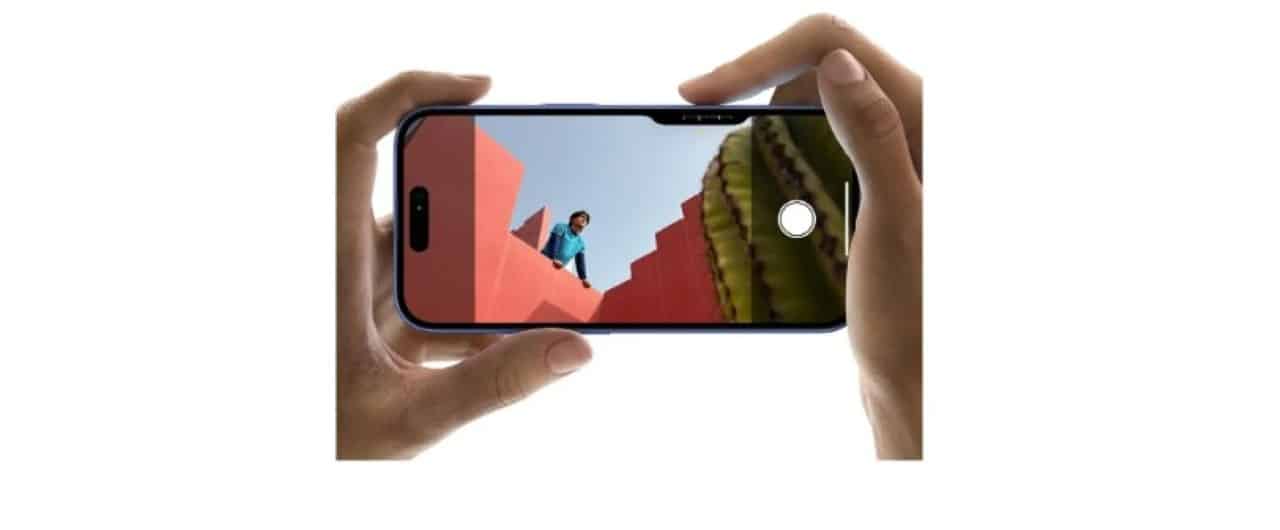
The visual distinction occurs at the top of the Super Retina XDR display. The iPhone 16 uses Dynamic Island, an interactive cutout that displays music controls and app alerts. The iPhone 16e adopts the traditional notch known as fringe. The area houses the facial recognition sensors and the front camera without offering touch interaction. The design choice harks back to previous generations of the brand.
The 2,532 x 1,170 pixel resolution delivers sharp images for media consumption. Maximum panel brightness peaks on the iPhone 16 during direct exposure to sunlight. The affordable model reaches 800 nits in manual mode and 1,200 nits when playing HDR content. Color calibration maintains the standard of fidelity required by photographers and digital content creators.
Photographic Capacidade and lack of wide-angle lens
The set of rear cameras highlights the main cost reduction of the project. The 48-megapixel main sensor equips both phones with the same capture quality. The lens offers a 2x optical zoom made by cropping the central image. Digital zoom reaches 10x in well-lit environments. Image processing automatically corrects distortions and improves contrast.
The iPhone 16e does not have the 12-megapixel wide-angle camera. The component is needed when photographing wide landscapes or large groups of people in short spaces. Macro mode is also exclusive to the iPhone 16. The function allows you to focus on objects a few centimeters away from the lens with high definition. The 12 megapixel front camera delivers identical selfies on both models.
- Preço retail stabilized in the range of R$4,000 for the 128 GB version.
- Capacidade 4,005 mAh energy source with up to 15 hours of proven autonomy.
- 48-megapixel main Câmera with built-in 2x optical zoom.
- Acesso guaranteed to the artificial intelligence tools of the iOS 18 system.
- Lightweight Estrutura weighing 167 grams with a durable frosted glass finish.
National Produção and impact on retail prices
Local manufacturing directly influences the brand’s commercial strategy in the country. The Foxconn unit in Brasil already assembles iPhone 16e batches. Domestic production reduces the import tax burden and allows for more aggressive discounts in retail chains. Lojas as well as Casas Bahia, Pontofrio and Fast Shop sell the device at competitive prices. Immediate availability in stocks facilitates acquisition by the end consumer.
The iPhone 16, available since the end of 2024, maintains an average price of R$5,400 at retailers such as iPlace. The difference of R$1,400 between the devices defines the target audience for each version. Proprietários of older models finds a complete system and battery update in the entry device. Consumidores that require photographic versatility justify investing in the standard model. The final choice depends on the available budget and the need for additional cameras for daily use.





