

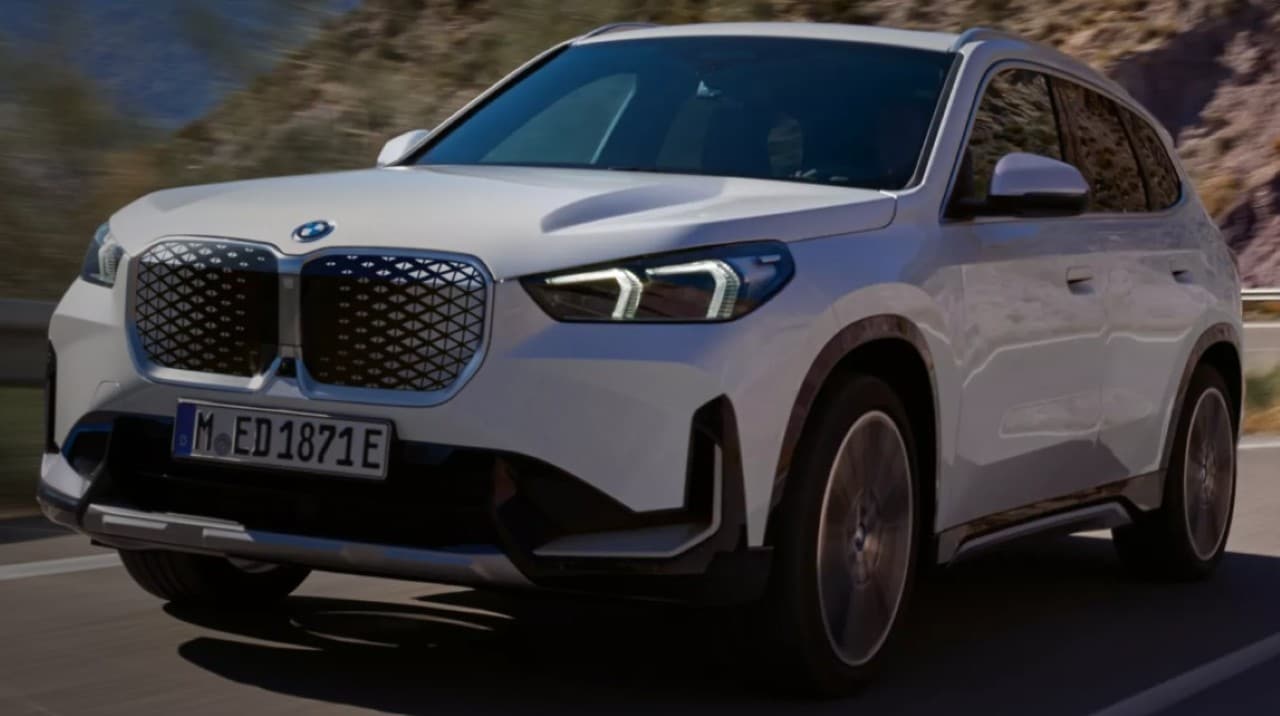
The German manufacturer officially presented the BMW iX3 sports utility vehicle, a fully electric model that inaugurates a new technological phase for the brand. The vehicle reaches the global market with a robust package of physical components already installed on the assembly line, but requires the payment of monthly fees to unlock specific tools. Entre items restricted by the recurring payment system are the camera with 360-degree vision and the Driving Assistant Pro package, responsible for delivering semi-autonomous driving functions on highways and urban roads with heavy traffic.
The corporate decision reignites the debate over resource ownership in modern automobiles. The automaker justifies the adoption of the software-as-a-service format by claiming that such technologies require continuous data processing and maintenance of remote servers. With this approach, the driver gains the flexibility to hire assistance only during the months he deems necessary. The operating cost is transferred exclusively to the active user of the tool. The strategy persists even after the company faced public resistance in previous attempts at similar monetization.

The recurring billing strategy and cloud infrastructure
The business model reflects a profound transition in the automotive industry. The BMW iX3 leaves the factory with all the sensors and radars necessary for safety. However, internal software acts as a digital barrier. Ela is only removed by validating an active subscription in the owner’s profile. The company’s Executivos argue that maintaining connected services generates ongoing expenses after the sale of the physical asset. The semi-autonomous driving system relies on constant real-time traffic updates.
The monthly charge would be the way found to fund this structure without increasing the initial purchase price of the car at the dealership. In specific markets where the format already operates, values vary depending on the level of complexity of the resource. Na Austrália, consumers have the option of subscribing to the adaptive suspension for an approximate value of 20 US dollars per month. Billing starts immediately after the end of a free trial period. These activations are managed directly through the brand’s official application or through the panel’s multimedia center.
Updates sent over the internet are directly linked to paid plans. The system guarantees continuous improvements for drivers who maintain an active subscription. The strategy aims to balance the high costs of software development with a recurring revenue line for the automaker.
Preserved Desempenho and the Neue Klasse platform architecture
Apesar of the restriction imposed on convenience and assistance items, the manufacturer chose not to limit the vehicle’s mechanical capacity. The performance of the electric motor and the autonomy of the battery remain fully free from the moment the customer picks up the car from the store. The company’s board of directors publicly rejected the idea of creating financial barriers to power delivery. The decision preserves the original proposal of luxury vehicles with full factory performance.
The sport utility vehicle project is the first to use the Neue Klasse architecture. Essa structural base was developed exclusively for emission-free mobility. The platform introduces batteries with greater energy density and optimized thrusters to reduce electricity consumption on long journeys. The exterior design follows technical evolution, featuring aerodynamic lines and the traditional closed front grille.
- Alcance estimated at up to 805 kilometers on a single charge, according to the European WLTP cycle.
- Mechanical Conjunto capable of generating the equivalent of 463 horsepower in top configurations.
- Ultra-fast charging Sistema compatible with the most modern high voltage networks.
- Projeção driving data directly on the windshield via Panoramic Vision technology.
The vehicle’s interior eliminates most of the traditional physical buttons. The cabin focuses interactions on high-resolution digital screens and voice commands. The minimalist environment facilitates integration with the digital services offered by the company and reinforces the technological identity of the new generation of trams.
Automaker’s Histórico with microtransactions and market reaction
The insistence on the subscription format occurs even after the company faced strong resistance from consumers in past initiatives. In 2022, the brand tried to implement a monthly charge for the operation of seat and steering wheel heating. The measure generated severe criticism from customers and experts in the automotive sector. The practice was considered abusive because it involved equipment with a fixed operating cost that was already installed inside the cabin.
The negative repercussion forced the cancellation of heating charges in less than twelve months. The episode served as a laboratory for the strategic planning department. The team needed to reevaluate which items could be offered under the digital rental format without alienating traditional buyers. The company’s current policy establishes a clear dividing line between static hardware and tools that require external processing.
Atualmente, features that depend solely on car battery power are not included in the subscription catalog. The focus is exclusively on connected technologies that receive continuous improvements through data packages. Essa change of stance tries to alleviate public dissatisfaction and justify recurring payments with the delivery of a service that is constantly evolving.
The impact of subscriptions on the premium vehicle segment
The strategy adopted for the BMW iX3 reflects a broad transformation in the global automotive industry. Outras Luxury vehicle manufacturers also test acceptance of advanced assistance packages through monthly or annual payments. The sector sees software as an opportunity to create continuous cash flow. The revenue generated in after-sales is gaining more and more importance in the financial reports of large automakers.
The debate among consumers divides opinions sharply. A portion of buyers value the possibility of purchasing a car and adding functions just before a long vacation trip. Outro group argues that the weight of the physical components is already built into the manufacturing cost. Consequentemente, the value would already be in the final price of the car, configuring a double charge for the same equipment.
The expansion of this business model will follow a gradual schedule over the next few years. The release of more complex semi-autonomous functions will first occur in European countries, such as Alemanha. The telecommunications infrastructure in these regions already supports the secure operation of these systems natively. The success of this approach will determine the consumption pattern for future generations of connected cars around the world.