
Intelbras and Aquario anticipate the World Cup with new 3.0 TV receivers in the Brazilian market

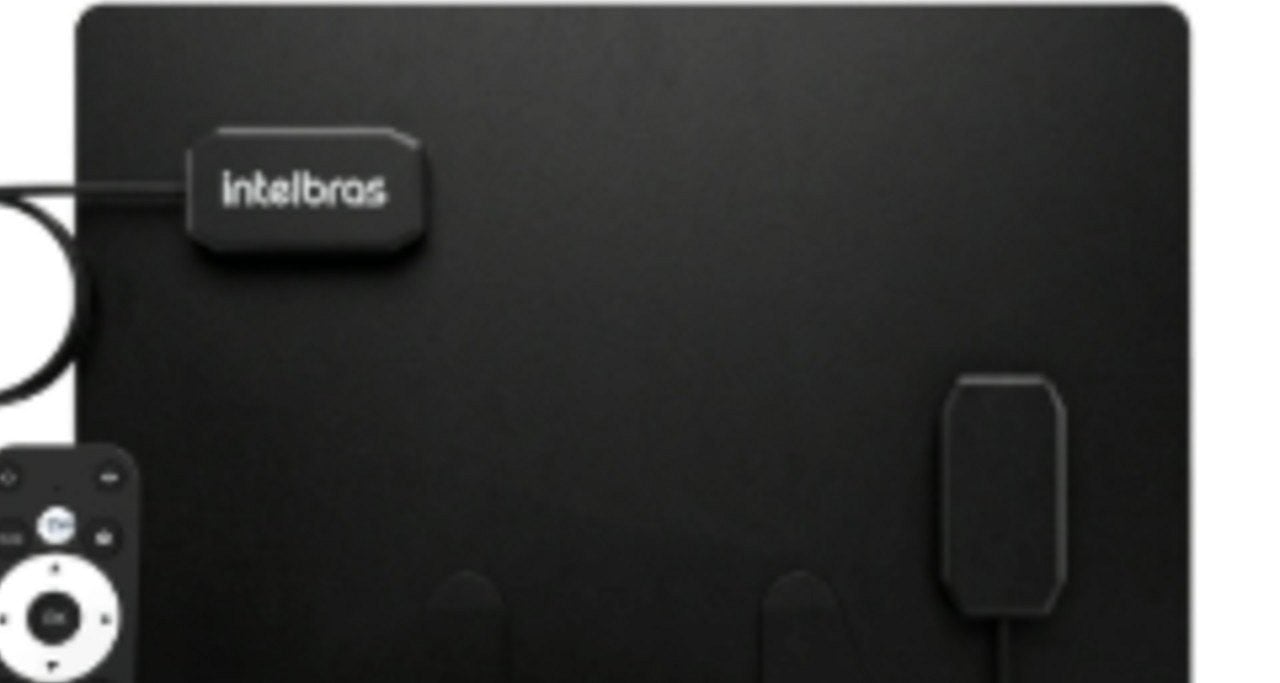
Technology companies Intelbras and Aquario announced the arrival of the first receivers compatible with the TV 3.0 standard on the national market. The equipment, developed with a focus on Copa and Mundo transmissions from 2026, allows old televisions to access the DTV+ signal without the need to replace the main display. The technological innovation promises to change the dynamics of media consumption on open channels in the country. Deliveries of the initial batches begin on June 8th on the brands’ official channels.
The launch comes at a strategic time for the telecommunications sector, which seeks to modernize the broadcasting infrastructure before the major sporting event. The new generation of digital signal offers superior image resolution, drastic reduction in transmission delay time and direct interactivity tools via remote control. Inicialmente, the improved signal coverage will only serve residents of the cities of São Paulo, Rio, Janeiro and Brasília. Especialistas point out that the adoption of external converters facilitates the technological transition for the population.
Fim of transmission delay and real-time interactivity
The main technical attraction of the DTV+ standard lies in the synchronization of the live signal. The current digital television system and streaming platforms often present a considerable delay between the time the play takes place in the stadium and it appears on the consumer’s screen. The new Intelbras and Aquario receivers promise to eliminate this gap. The change directly benefits fans who follow football matches, preventing them from finding out the result of a play through shouts from the neighborhood before the image appears.
Além’s signal delivery speed, technology introduces the concept of advanced multiprogramming. The viewer gains autonomy to personalize the consumption experience during live events. Large Emissores, like Globo, have already confirmed the use of the new standard in Copa and Mundo transmissions. The public will be able to switch between different camera angles provided by the broadcaster instantly.
Interactivity extends to access to simultaneous statistical data. Users will be able to view information about player performance, leaderboards and on-demand replays, all integrated into the main match screen. Essa extra layer of content transforms the television set into a dynamic information center. Navigation occurs fluidly, supported by the operating systems embedded in the new signal converters.
Especificações equipment techniques of Intelbras and Aquario
The market receives two distinct options for adapting to the TV 3.0 signal, each with specific hardware characteristics. The RDA 300 model, manufactured by Intelbras, operates with an Realtek brand processor and has 2 GB of RAM memory in the LPDDR4 standard. The internal flash storage has 8 GB of capacity, space for the Android 14 AOSP operating system and complementary applications. The device supports the latest video codecs on the market, including H.266/VVC and H.265/HEVC technologies.
The user interface of the Intelbras device was designed to simplify the transition for the average user. The remote control that comes with the product has a physical button dedicated exclusively to activating the DTV+ functions. The manufacturer’s suggested price for the retail market is R$684.90. Partner stores offer the possibility of paying the amount in up to ten installments without charging interest on credit cards.
On the other hand, Aquario is committed to selling a more comprehensive set with the DTVP-7000 kit. The package includes not only the main receiver, but also a compatible antenna and two signal amplifiers. The complete package hits shelves costing R$692.81. The company offers installments in up to twelve installments and applies a 5% discount for payments made in cash via Pix or bank slip. The equipment also uses Android 14 as a management software base.
Cobertura restricted initial and digital signal expansion
The availability of equipment on online sales channels has already begun, but reception of the TV 3.0 signal still faces geographic limitations. The first units arrive at buyers’ homes in the second week of June. However, the broadcasters’ transmission infrastructure is in the phase of gradual implementation. Neste At first, only the metropolitan regions of São Paulo, Rio of Janeiro and the federal capital, Brasília, have the emission of the improved signal on an official basis.
Moradores from other locations across the country do not have an official confirmed date for activating the service. Manufacturers advise consumers to consult coverage maps of local broadcasters before purchasing the equipment. Mesmo without an active DTV+ signal, the devices function as high-capacity multimedia centers. Para ensure the proper functioning of the new technology, the converters share a base of fundamental technical requirements:
- Native Suporte for 4K image resolution processing and display.
- Stable wireless Conectividade via dual-band Wi-Fi network.
- Fast Comunicação with external peripherals using Bluetooth 5.0 technology.
- Integração universal with televisions of different brands through HDMI ports.
- Updated operational Sistema for efficient application and resource management.
The companies responsible for the hardware guarantee that the devices will receive periodic firmware updates. Esses software packages sent over the internet serve to correct any security flaws, optimize processor performance and add new features required by television broadcasters over the next few years. Remote maintenance ensures the longevity of the investment made by the consumer.
Impacto in the television market and technological transition
The strategy of launching independent receivers meets an economic demand in the Brazilian market. Purchasing a new television with the TV 3.0 standard integrated from the factory requires a considerably greater financial investment than purchasing an external converter. Intelbras and Aquario products extend the useful life of high-definition displays that are already present in people’s living rooms. Installation only requires connecting the cable to the rear input of the monitor and initial configuration on the screen.
The telecommunications sector sees the movement of national manufacturers as a decisive step towards consolidating the new broadcasting format. Brasil stands out on the international scene by advancing the modernization of the open and free signal, while other nations are still carrying out laboratory tests with equivalent technologies. The backward compatibility provided by converters accelerates the formation of a robust user base for broadcasters, enabling the sale of more valuable sponsorship quotas.
Mundo’s Copa has historically served as the main catalyst for the sale of audiovisual equipment in the country. The promise of an immersive, lag-free experience with superior image quality drives the interest of the average consumer. The initial offer concentrated on two local brands demonstrates the national industry’s agility in anticipating the public’s needs. Retail expectations point to the entry of new competitors in the receiver segment in the coming months, which should boost sales even further in the second half of the year.





