
Researchers identify giant egg fossil in Antarctica associated with 68-million-year-old marine predator

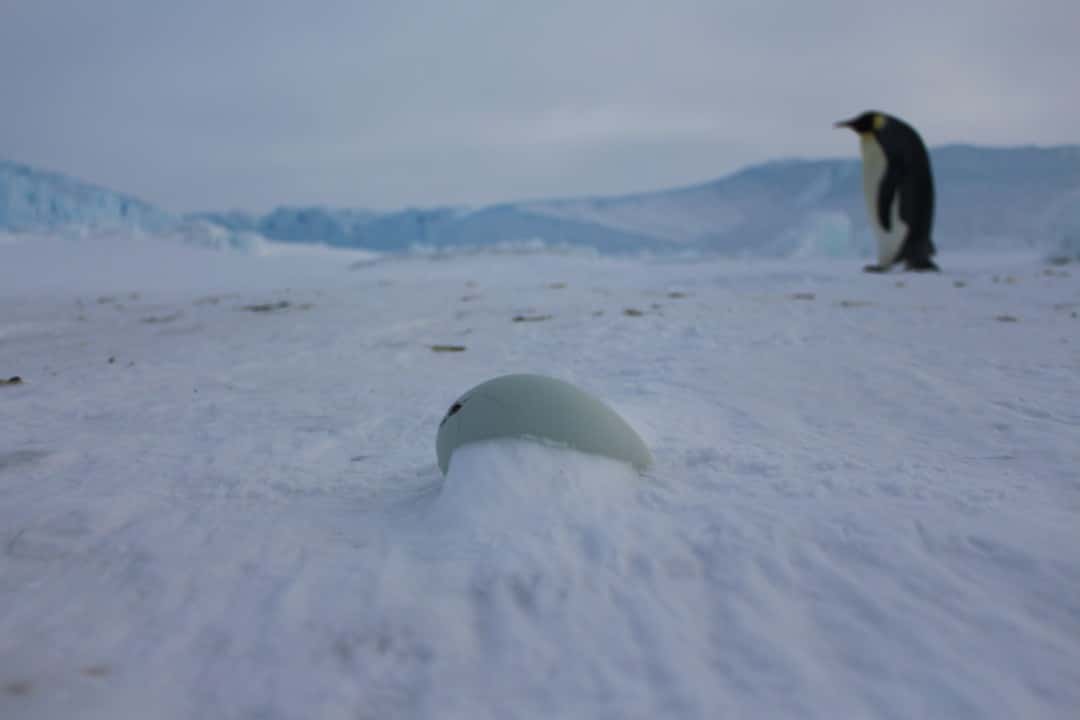
A fossil of unprecedented proportions found in Ilha Seymour, in Antártida, was formally classified as the largest soft-shelled egg ever documented by science. The geological material measures 29 centimeters long by 20 centimeters wide. The structure dates back approximately 68 million years. The period corresponds to the final phase of Cretáceo. Pesquisadores Chileans carried out the initial collection of the material during a scientific expedition in 2011. Laboratory analysis confirmed the specimen’s origin as belonging to a large marine reptile. Morphological data point to a direct link with mosasaurs. Esses animals acted as dominant predators in ancient oceans.
Confirming the nature of the fossil changes the basis of knowledge about the reproductive biology of large extinct aquatic reptiles. The paleontological community considered that mosasaurs reproduced strictly viviparously. The new finding demonstrates that some species in the group laid flexible eggs in areas of shallow coastal waters. The specimen was given the scientific nomenclature of Antarcticoolithus bradyi. The taxonomic designation makes direct reference to the Antarctic geographic origin and the unique properties of the fossilized structure.
Análise structural and specimen identification
The fossilized block remained without an exact taxonomic classification for several years after its extraction from the Antarctic soil. Scientists have informally nicknamed the object “A Coisa.” The collapsed and asymmetrical shape visually resembled a deflated football. The absence of rigid outlines made immediate association with traditional dinosaur eggs difficult. Paleontólogos initiated a series of comparative studies with eggs from contemporary reptiles. The investigations used high-resolution microscopy to evaluate the mineral layers.
The examinations revealed the presence of multiple internal membranes preserved in the rock matrix. The outer shell was extremely thin. The structure lacked the characteristic pores found in bird eggs and land dinosaurs. Essa anatomical composition is typical of eggs produced by lepidosaurs. The biological group includes modern lizards and snakes. The absence of pores indicates a specific evolutionary adaptation to environments with high humidity.
The inherent fragility of soft tissues explains the scarcity of similar fossil records in global museum collections. Materiais flexible biologicals suffer accelerated degradation under the action of bacteria and weathering. The fossilization process requires exceptional environmental conditions to stop natural decomposition. Rapid burial in fine marine sediments has allowed the conservation of Antarctic egg membranes over millions of years.
Reconstrução of the environment in the period Cretáceo
The discovery location integrates Formação López from Bertodano. The geological area concentrates vast deposits of marine sediments accumulated close to the coastline during the late Cretáceo. The Antarctic continent had a climatic and geographical configuration completely different from that of today. Global temperatures were significantly higher. The ocean that bathed the region was home to a diverse and abundant marine fauna.
Analysis of rock strata provides detailed information about the ecosystem at the time. Scientists have identified specific features of the breeding habitat:
- The presence of shallow, calm waters facilitated the safe deposition of soft-shelled eggs.
- The temperate climate of the polar region allowed embryonic development without the risk of freezing.
- The abundance of smaller prey in coastal areas ensured food for the young after hatching.
- The topography of the seabed offered natural protection against strong ocean currents.
Fósseis of juvenile plesiosaurs were also recovered from the same geological formation. The concentration of young specimens of different species indicates that the area functioned as a natural nursery. Répteis marine giants migrated to these protected waters during the breeding season. The biological strategy maximized the survival rates of new generations in an oceanic environment full of adult predators.
Anatomical Relação with giant mosasaurs
The association of the giant egg with mosasaurs is based on morphological and contextual evidence. Equipes excavation sites located skeletal remains of adult and juvenile mosasaurs at a distance of just 200 meters from the egg site. One of the fossils found belongs to the species Kaikaifilu hervei. The marine predator reached approximately 10 meters in length. Geographical proximity reinforces the hypothesis of a direct biological link between the animal and the reproductive material.
The researchers conducted a comprehensive biometric analysis to estimate the dimensions of the egg-producing animal. The study evaluated anatomical data from 259 living lepidosaur species. Mathematical calculations indicate that the female responsible for laying measured at least 7 meters in length. Measurement excludes tail extension. Nenhum land dinosaur or pterosaur known from that Antarctic region had body proportions compatible with the production of a 29-centimeter egg.
The flexible nature of the shell suggests reproductive behavior adapted to the aquatic environment. The female deposited the egg in submerged and protected places. Hatching occurred quickly immediately after laying. The biological mechanism has parallels with the life cycle of certain sea snakes today. The chick emerged from the egg directly into the water. The adaptation eliminated the need for adults to return to dry land to reproduce.
Impacto scientific and paleontological preservation
Antarcticoolithus bradyi occupies a prominent position in world paleontology records. The specimen exceeds the dimensions of all previously cataloged soft-shell eggs. The fossil is in second place in the general ranking of extinct eggs. The size is second only to the eggs produced by Madagascar’s giant elephant birds. The discovery fills an important gap in understanding the reproductive evolution of marine vertebrates.
The debate over the exact origin of the geological material remains active among experts in the field. Alguns researchers point out structural similarities with dinosaur eggs that also had less rigid shells. Performing additional tissue comparisons at the molecular level may clarify anatomical differences. Extracting geochemical data from fossilized membranes offers new insights into evolutionary biology.
The preservation of internal details in the Antarctic fossil allows the creation of accurate anatomical reconstructions. Ilustrações Modern scientists use this data to position the egg in scale with Mesozoico’s large reptiles. Visual representations help understand hatching dynamics in ancient oceans. Continued fieldwork at Ilha Seymour has the potential to reveal new specimens. The recovery of additional material will help consolidate the reproductive patterns of the predators that dominated the seas until the mass extinction event.





