
Brazil’s next opponents: analysis of Haiti and Scotland’s tactics in the World Cup

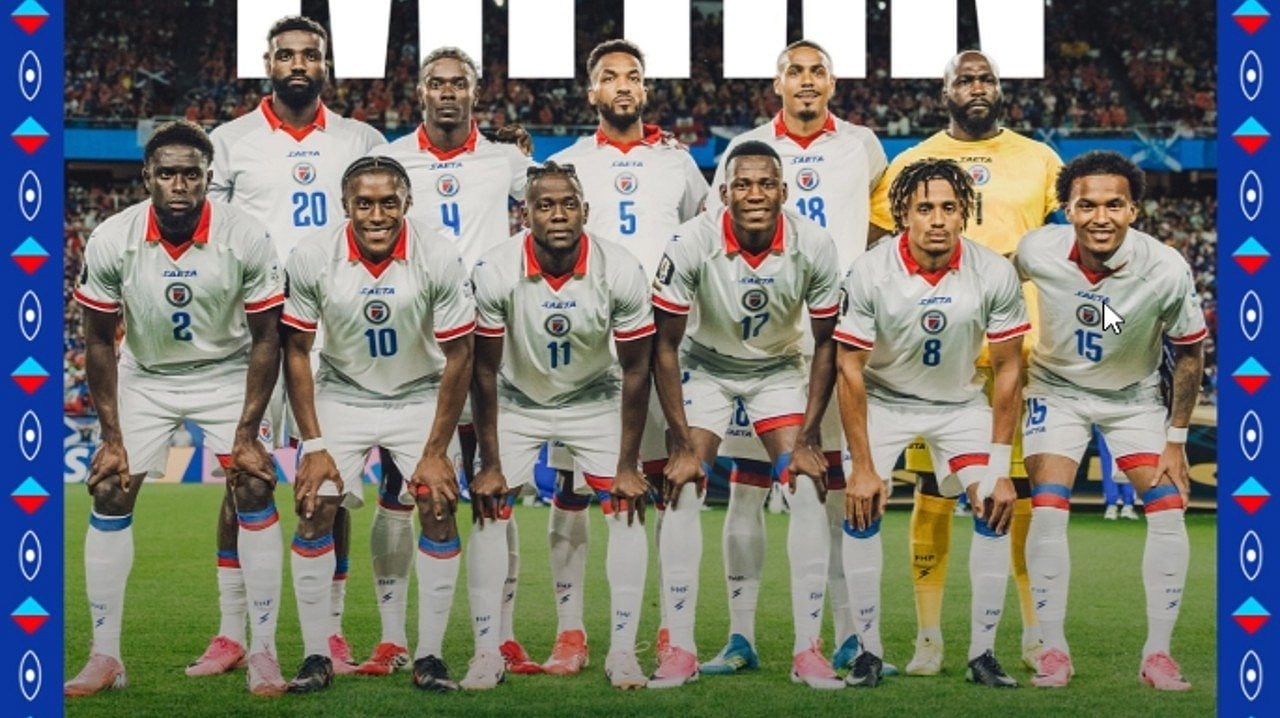
The Brazilian team already has insights into their future opponents in the World Cup. Last Saturday, in Boston, United States, Scotland beat Haiti 1-0 in their debut, a result that, despite giving the Europeans victory, did not reflect a dominant performance, while the Caribbeans demonstrated unexpected potential. These first impressions provide coach Carlo Ancelotti and his team with crucial information as they prepare to qualify for the knockout stages.
John McGinn was the scorer of the only Scottish goal, finding the net in the opening stages. However, the second half of the match saw hegemony from the Haitian team, which pressed and created several opportunities, but was faced with inaccuracy in finishing.
The Brazilian team’s agenda foresees the first meeting against Haiti next Friday, the 19th, with the match scheduled for Philadelphia. Subsequently, on June 24, the Seleção plays against Scotland, in Miami, thus concluding its participation in the group stage.
Scotland’s debut performance raises questions
Achieving their first three points and reaching the top of Group C, the Scottish team had a performance that was not entirely pleasing, showing great difficulties in constructing the plays and being constantly pressured by Haiti during much of the second half.
Scott McTominay, the main midfield coordinator, struggled to distribute the ball, but the strategy did not generate prolonged pressure on the Haitians. The only goal of the match came from a good triangulation with Che Adams, whose initial shot was saved, but the rebound found John McGinn, who finished with a slight deflection in defense.
The return to the complementary stage presented a discouraging panorama for the Scots. With the advantage on the scoreboard, the team opted for a more defensive posture, withdrawing their lines and allowing Haiti to advance, hoping to exploit quick counterattacks.
The main adversity faced by the Scots was the surprising performance of Haiti, which demonstrated skill in exchanging passes and imposed strong offensive pressure. The result was the creation of countless scoring opportunities by the Haitians, while Scotland experienced great difficulty in building their plays from the defense.
These signs suggest that Scotland’s tactical approach against the Brazilian team should follow a similar pattern from the opening whistle: the European team revealed greater comfort when operating without the need for constant high marking, preferring to close their defensive lines and explore counterattacking moves.
Therefore, it will be essential for Brazil to demonstrate a high level of patience and creativity in individual duels to break through solid defenses. Furthermore, special monitoring of players Scott McTominay and Che Adams could be decisive for the Seleção’s success in the match.
Haitian team shows good football, but fails in conclusions
The expectation of an easy confrontation against Haiti was completely subverted. Despite the setback, the Caribbean team delivered a fierce performance, ending the match in Boston with a higher number of scoring chances created.
The Haitians started the duel focusing their attacks on the sides of the pitch, looking for the baseline to cross. There were peaks of intensity and moments of significant pressure before the technical stop for hydration in the first half of the game.
In general, the Caribbean team faced considerable difficulties due to the Scottish persistence in aerial plays, a tactic facilitated by the tall stature of their defenders, such as Grant Hanley (1.88m) and Jack Hendry (1.92m). It is interesting to note that, compared to the Brazilian team’s defenders, Marquinhos is 1.83m tall, while Gabriel Magalhães is 1.90m tall, which could influence dead ball strategies.
The Haitian team demonstrated greater vulnerability when defending long balls. It was precisely in one of these plays that Scotland opened the scoring: Adams received a ball from the right, made a pass and finished, forcing a save from Placide. On the rebound, John McGinn was free to push the ball into the back of the net. This specific move could indicate a promising route for Brazil in their quest for their first victory in the tournament.
In the initial stage, Haiti created two notable offensive actions: the first with Frantzdy Pierrot, who was close to scoring, but was intercepted by Hanley; and the second, also with Pierrot, who made a pivot to Derrick Etienne Jr. Providence, but Aaron Hickey made the decisive cut. The pace of the match intensified in the second half, with a considerable volume of play, however, the team failed in finishing, being neutralized by cuts from the opponent’s defense or by poor choices in the plays.
While striker Duckens Nazon is still looking for his best rhythm, influenced by a difficult period that led him to escape a conflict situation in Iran, the athlete who deserves special attention from the Brazilian team is Frantzdy Pierrot, who stood out in the game.





