
Discover the routine: ten common everyday habits that could be accelerating hair loss

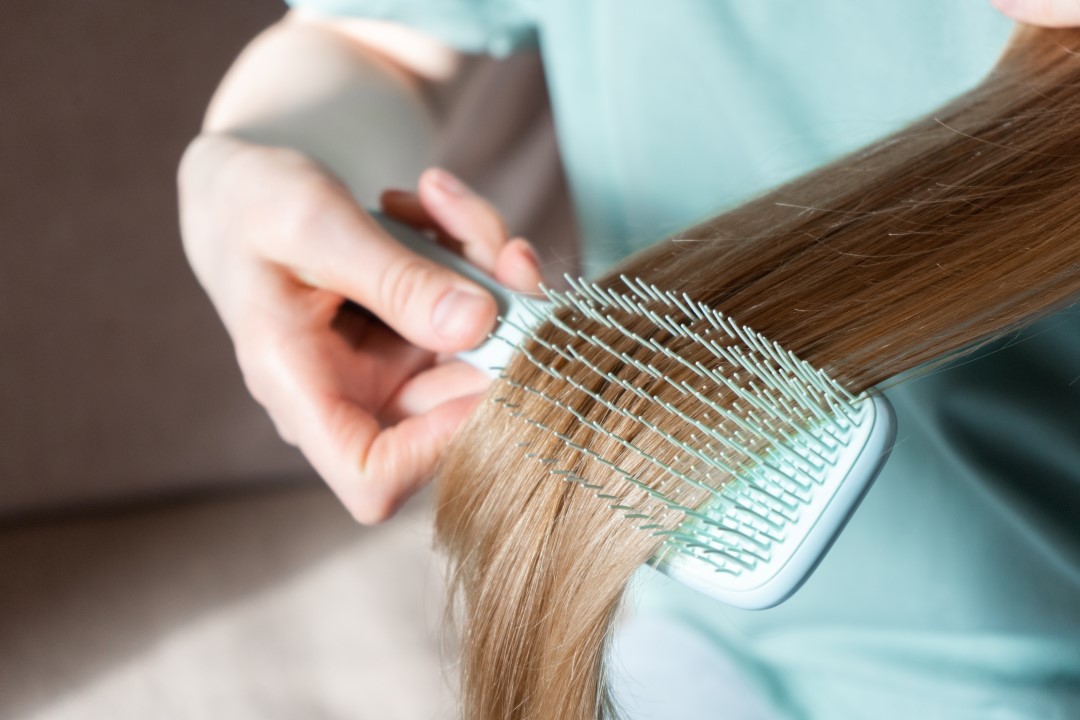
Many individuals often associate hair loss with hereditary factors or the natural aging process. However, dermatology experts have increasingly highlighted the crucial role of certain everyday practices as important catalysts for thinning, hair loss and even irreversible damage to hair follicles. The most worrying aspect lies in the fact that several of these actions seem harmless, or even beneficial, which leads many people to maintain them without discerning the losses accumulated over time.
Below, we will explore ten routine habits that most people practice daily and that discreetly sabotage the health and vitality of their hair. Understanding these points can be the first step to reversing hair loss.
Tight hairstyles and their constant impact on hair
Certain hairstyles that place strong tension on the roots, such as tight ponytails, braids, buns or nagô braids (cornrows), put stress on the scalp. This continuous pressure can trigger traction alopecia, a condition that initially manifests as thinning hair at the hairline or temples, and which can progress to bald patches if the tension persists. Additionally, accessories such as metal clips, common elastic bands or bare bands have the potential to snag the wires and cause breakages at the contact points. Switching styles and opting for softer hair clips can promote noticeable improvement over time.
Thermal damage: the use of heat tools without adequate protection
Dryers, curling irons and straighteners subject hair to high temperatures. Daily application of excessive heat damages the hair cuticle, the protective outer layer of hair, resulting in strands that are more prone to split ends and breakage. Using a heat-activated product before any styling procedure and keeping tools at the lowest effective temperature help to reduce the damage accumulated through daily use.

Hot shower: how excessively heated water affects hair
Washing your hair with very hot water removes the natural oils from your scalp, causing dryness and damage. This practice can make hair frizzy, brittle and aggravate existing problems, such as dandruff. Over time, high temperature water weakens the hair structure, increasing the risk of breakage and hair loss. A simple change, such as choosing warm or cold water for the last rinse, protects both the scalp and the hair fiber.

Towel aggression: the danger of drying wet hair too quickly
The friction generated by vigorous towel drying causes damage and breakage, especially on wet hair when the cuticle is most exposed and vulnerable. Wet strands are considerably more fragile than dry ones; Therefore, even vigorous but well-intentioned drying can cause serious damage in the long term. Prefer to dry gently with a microfiber towel or a soft cotton t-shirt, rather than rubbing, to reduce the friction that leads to breakage and prolonged thinning.
Combing wet hair: a habit that causes breakage and weakening
Damp hair is notoriously fragile. Brushing or combing wet strands makes breakage and breakage easier, and harsh handling can pull hair out at the roots, contributing to traction alopecia, where hair roots become weakened due to repeated or excessively strong pulling. Using a wide-toothed comb and starting to detangle at the ends, rather than the roots, significantly reduces the amount of breakage.
Nighttime friction: how cotton pillowcases can harm your hair
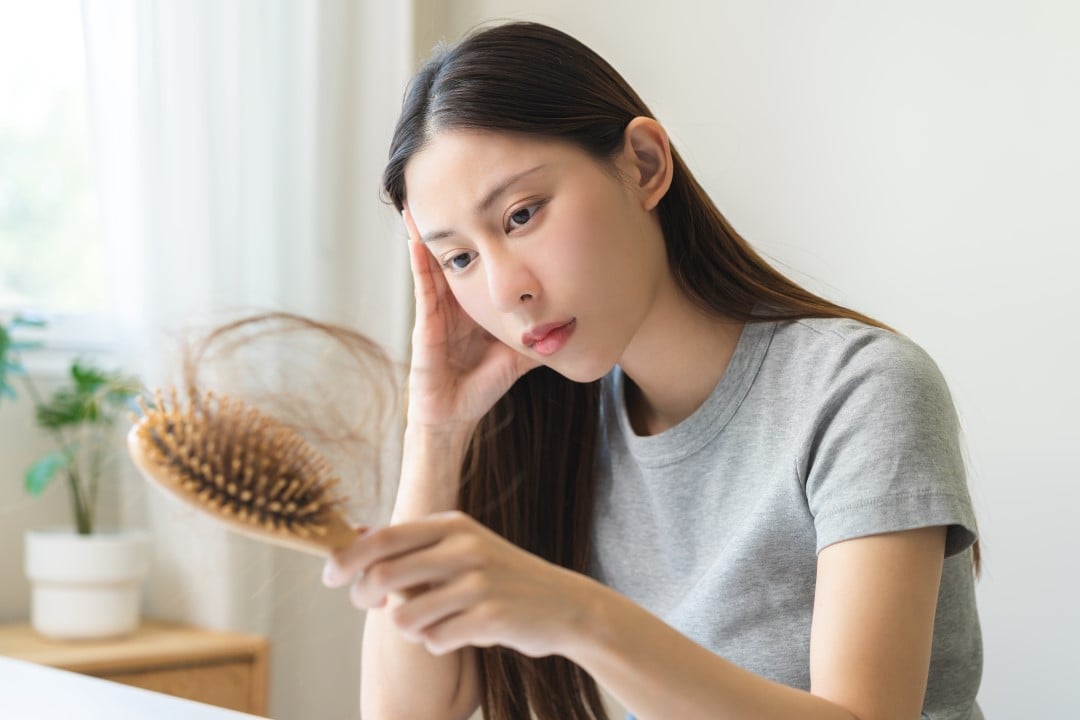
The rough surface of common cotton fibers causes friction as you move in your sleep, which leads to morning tangles and, over time, strand breakage. Switching to a silk or satin pillowcase allows your hair to glide smoothly, helping it maintain its natural moisture. This is one of the most accessible and effective changes that anyone can adopt, as it does not require any change in routine.

Nighttime humidity: why sleeping with wet hair is harmful
Lying down with wet hair can result in breakage and gradual hair loss over time. The scalp is also affected, as moisture trapped against the pillow overnight creates a warm, moist environment perfect for fungal growth and bacterial buildup. This can cause scalp irritation, dandruff, or leave your roots looking greasy in the morning. Allow your hair to dry, at least partially, before sleeping, or use a silk pillowcase if you cannot avoid going to bed with damp hair, to minimize damage.
Constant stress: the connection between chronic anxiety and hair loss
Sleep deprivation increases levels of cortisol, a hormone that triggers a condition known as telogen effluvium, a form of stress-related hair loss. Stress-induced hair loss can occur three to six months after a significant life event, making it difficult to directly link hair loss to its true cause. Managing stress through regular exercise, mindfulness practices and prioritizing sleep quality are the most effective ways to mitigate this type of decline, although results take time to be noticeable.
Poor nutrition: the importance of a balanced diet for hair health
Inadequate nutrition, characterized by low levels of iron, vitamin D and zinc, as well as insufficient protein and calorie intake, is a determining factor in hair loss. A diet rich in processed products increases inflammation in the body, directly impacting the vitality of hair follicles. Prioritizing proteins, iron-rich foods, green leafy vegetables and items containing zinc provides the scalp with essential nutrients to support healthy hair growth and reduce excessive hair loss.

Addictions and their effects: smoking and alcohol on hair health
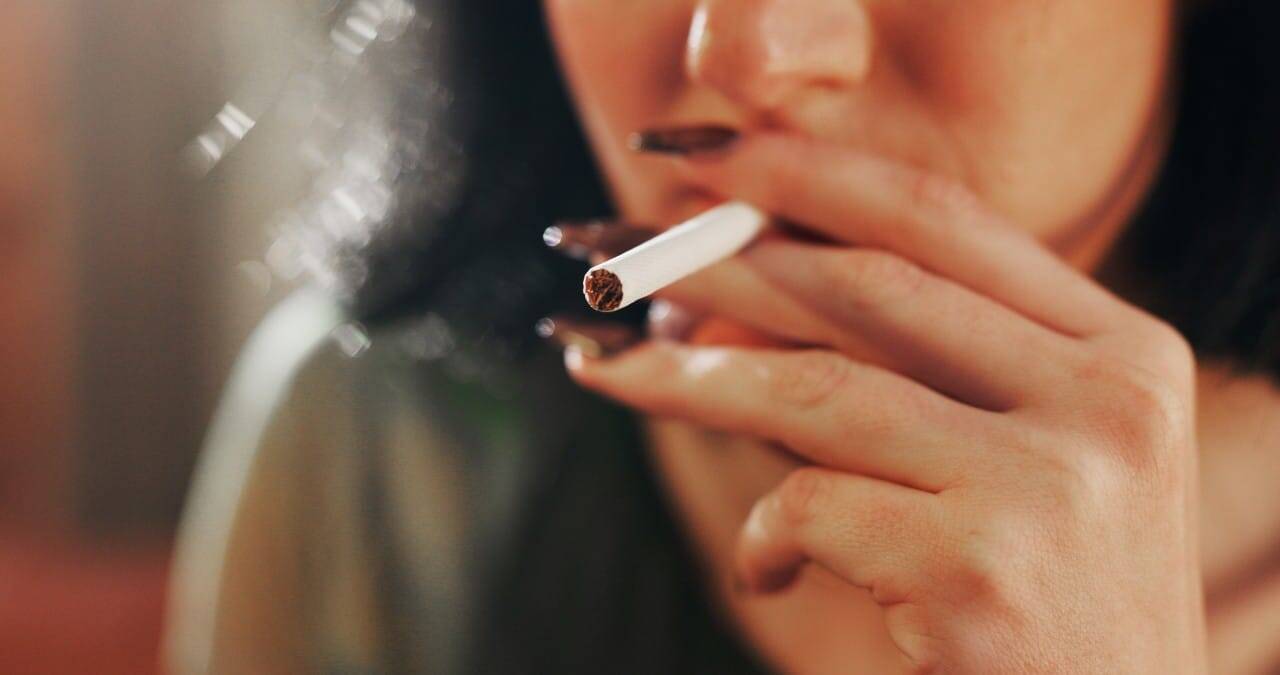
Alcohol consumption can indirectly contribute to hair loss by dehydrating the body, compromising liver function, deregulating hormones and decreasing the absorption of vital nutrients such as zinc, B vitamins and proteins. Excessive or frequent alcohol intake also impairs sleep quality, which in turn worsens the fall. As noted by the London Dermatology Center, smoking introduces toxins that damage blood vessels, reducing the supply of nutrients to follicles. Studies associate smoking with premature aging of hair and hair thinning. Both habits enhance each other’s negative effects on hair health, and reducing or eliminating them often results in visible improvements in scalp health and hair density within a few months.
The encouraging prospect is that most of these habits are completely reversible. Identifying which ones are part of your routine and making gradual adjustments can significantly slow down hair loss and, in many cases, stimulate notable hair growth over time.





