The phases of the moon in June 2026: discover the celestial spectacle and the best dates for observation

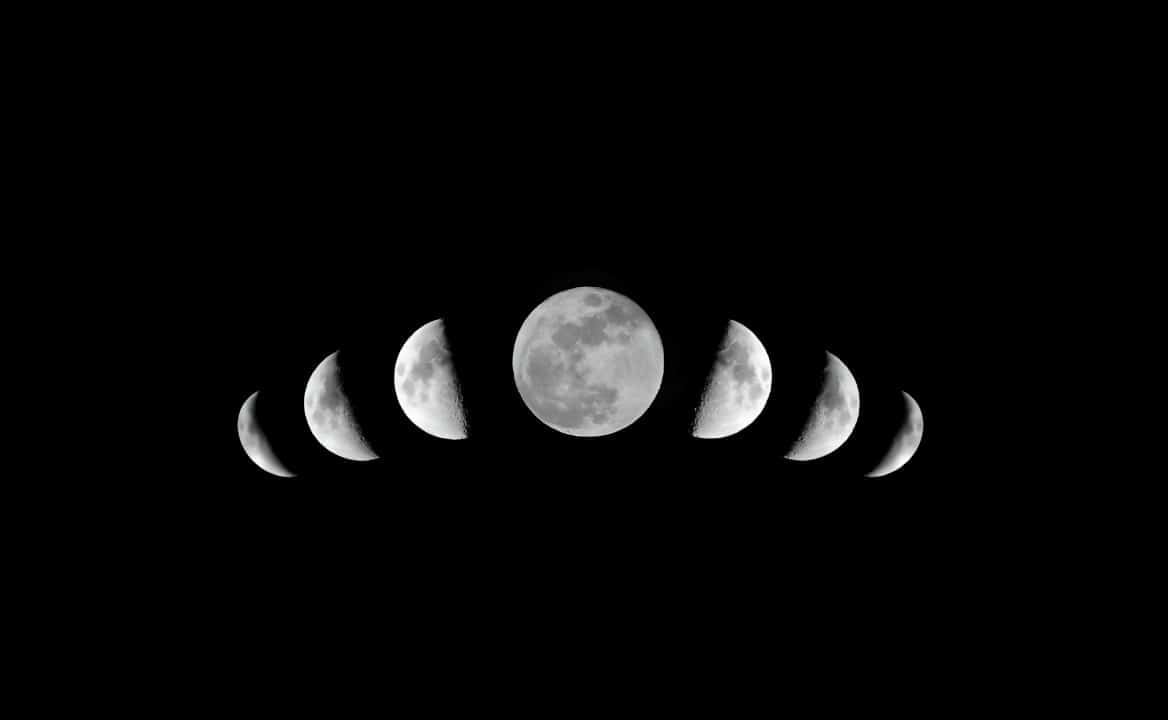
The month of June 2026 promises four distinct moments for skywatchers, as the full cycle of the moon’s phases unfolds. Astronomy enthusiasts and the curious will have a detailed guide to follow the transformations of Earth’s natural satellite, from its complete luminosity to invisibility.
Checking the lunar calendar is a common practice for anyone wanting to plan observations. Each phase displays a particular beauty and offers different opportunities to appreciate the details of the lunar surface or the darkness of the sky to other celestial bodies.
The crucial dates for tracking the June 2026 lunar cycle
The astronomical events of June 2026 mark the beginnings of the four main lunar phases. It is essential to note these dates to ensure the best viewing experience.
- Full moon: June 1st.This is the peak of the lunar glow. With the Earth positioned between the Sun and the Moon, the satellite appears as a fully illuminated disk. It appears on the horizon at dusk and remains visible throughout the night, disappearing with the sunrise.
- Last Quarter: June 8th.At this stage, only half of the lunar face is illuminated, but on the opposite side to that seen in the crescent moon. It appears in the sky around midnight, continuing its journey until early morning.
- New moon: June 16th.Moment when the moon becomes invisible to the naked eye. Aligned between the Earth and the Sun, the side facing our planet does not receive direct sunlight. It is the ideal period for star and galaxy observers, as the absence of lunar shine makes the night sky darker.
- First Quarter: June 23rd.One week after the new moon, half of the lunar disk is illuminated again. The moon rises around noon and sets around midnight, appearing as a bright semicircle in the early evening.
The science behind the moon’s changing shape in the sky
The moon does not have its own light; its visibility is due to the reflection of sunlight. The lunar cycle, which lasts approximately 29.5 days, is the time it takes the satellite to complete one orbit around the Earth. The different phases that we observe are, in fact, the portion of the face illuminated by the Sun that becomes visible from our planet.
This variation in lighting is a direct result of the changing geometry between the Sun, Earth and moon. The relative position of these three celestial bodies determines how much sunlight is reflected toward us. Thus, the cosmic “dance” explains the smooth and continuous transitions between phases.
Practical tips for observing each phase of the moon clearly
Each lunar period offers a unique experience. The full moon, for example, is spectacular for its luminosity and prolonged visibility, allowing its entirety to be appreciated with the naked eye or with binoculars. However, excessive brightness can make it difficult to see craters and finer details.
For the waxing and waning quarter, the dividing line between light and shadow, known as the terminator, is the point of greatest interest. In it, the elongated shadows clearly reveal the mountains and craters. The new moon is the perfect time to look away from the moon and focus on more distant celestial objects, such as star clusters and nebulae, which benefit from the lunar darkness.
The influence of lunar phases on important terrestrial phenomena
The phases of the moon are not limited to a visual spectacle; they exert influence on various terrestrial phenomena. The best-known example is the relationship with ocean tides. The combined gravitational pull of the Moon and Sun results in more intense tides (spring tides) during the new and full moon phases, when the three bodies are aligned.
Furthermore, the lunar cycle has historically been crucial to agriculture, navigation, and even the organization of calendars in many cultures around the world. Observing these celestial patterns continues to be a source of fascination and knowledge.