
Global competition reveals the 25 most impressive photos of the Milky Way captured in diverse settings

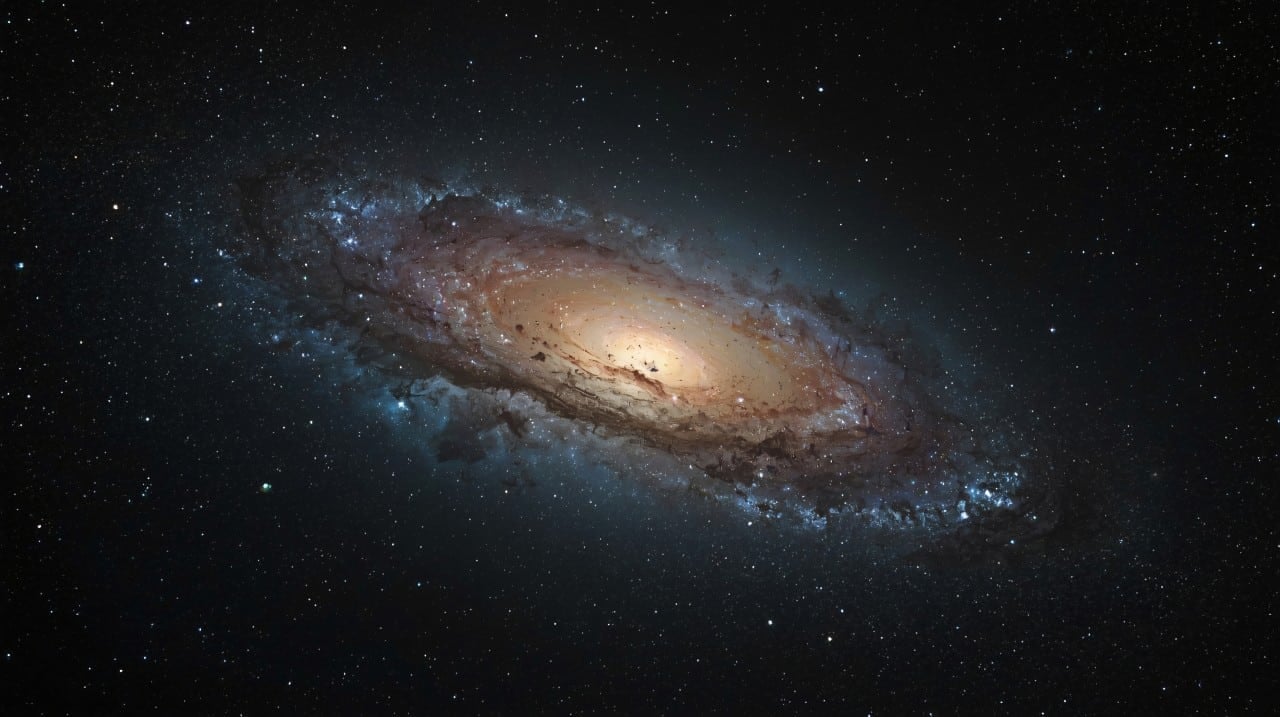
More than 6,500 entries from 15 countries were evaluated to select the 25 most stunning photographs of the Milky Way. The international Milky Way Photographer of the Year competition, in its ninth edition, awarded images that highlight the beauty of our galaxy in landscapes ranging from deserts to mountains and coastlines around the world.
The record participation in the 2026 edition demonstrates the growing interest and dedication of astrophotographers in recording the nighttime spectacle. The scenes capture the glow and shapes of the Milky Way, celebrating the grandeur of the cosmos and Earth’s diversity.
The vital role of astrophotography in preserving the night sky
In addition to celebrating visual beauty, the contest serves as an important reminder of the need to preserve truly dark skies. Dan Zafra, astrophotographer and director of the website Capture The Atlas, highlights the urgency of combating light pollution. This phenomenon, caused by excessive artificial lighting in cities, prevents star viewing and affects ecosystems, including wildlife.
The intrusive light from urban areas not only obscures the natural brightness of galaxies and constellations, but also disorients nocturnal animals, interferes with their life cycles and even the human biological clock. Initiatives such as the creation of International Dark Sky Reserves seek to protect regions with low light pollution, ensuring that future generations can still admire the Milky Way in all its glory. The contest therefore amplifies this crucial message, encouraging awareness of an increasingly rare natural resource.
Diverse scenarios: from the Argentine puna to the mountains of New Zealand
The selected photographs illustrate the versatility of the capture sites, which span all continents. From the remote Argentine Puna, known for its altitude and lack of light pollution, to the towering mountains of New Zealand, each image offers a unique perspective on the night sky. Photographers employed sophisticated techniques to frame the Milky Way with striking terrestrial elements.
This geographic diversity not only highlights the beauty of our galaxy, but also celebrates the planet’s natural richness, showing how different cultures and environments connect under the same sky. Earthly landscapes, whether they are fields of wildflowers, ancient rock formations, or vast salt flats, serve as a spectacular foreground to the celestial glow.
Visual highlights among the award-winning images
The 2026 edition of the Milky Way Photographer of the Year contest featured a set of notable images. Below are some of the records that stood out for their originality and technique:
- The vastness of the Argentine Puna in “My Perfect Night”: Daniel Viñé Garcia captured the Milky Way and the Gum Nebula in a high-altitude landscape, providing a natural contrast between the galactic hemispheres.
- Geminid meteors and the Gran Telescopio Canarias in La Palma: Uroš Fink photographed the world’s largest optical telescope under a meteor shower, with the night sky a symphony of lights.
- Flower fields under the cosmos in New Zealand: Alvin Wu captured the Milky Way emerging over a vibrant field of lupins in Twizel, revealing the beauty of spring beneath the stellar mantle.
- Waterfall in a volcanic canyon in Argentina: Alejandra Heis aligned the Milky Way with a 45-meter waterfall in Salto del Agrio, forming an arch suspended in a lava-carved canyon.
- UNESCO Heritage Site under the Milky Way in Valle de la Luna: Gonzalo Javier Santile presented the first complete arc of the Milky Way ever captured in Ischigualasto Provincial Park, a site of geological importance.
- Ancient baobab trees under the stars in Botswana: Stefano Pellegrini photographed the galaxy over a salt island dotted with baobab trees, creating a dramatic scene in the heart of Africa.
- Celestial phenomena combined on the French coast: Andrea Curzi recorded an unexpected aurora borealis on the Pen Hir peninsula, combining atmospheric luminescence with the arc of the Milky Way and other nebulae.
Challenges and dedication in modern astrophotography
Creating these award-winning images is a process that requires more than just good equipment. Photographers often face challenges such as unpredictable weather conditions, access to remote and technical locations, and the need to master complex post-processing techniques. Astrophotography and night photography are defined by “moments,” those brief moments when all the elements — galaxy, landscape, weather, light — align perfectly.
This incessant search for ideal alignment, combined with mastery of software and cameras, elevates these works to a level of art and science. Each click represents hours of planning, patience and a deep connection with the natural and cosmic environment. The result is photographs that not only fascinate, but also inspire appreciation and protection of our night skies.





