
Risk of infections and new marks: microneedling at home requires caution and medical monitoring

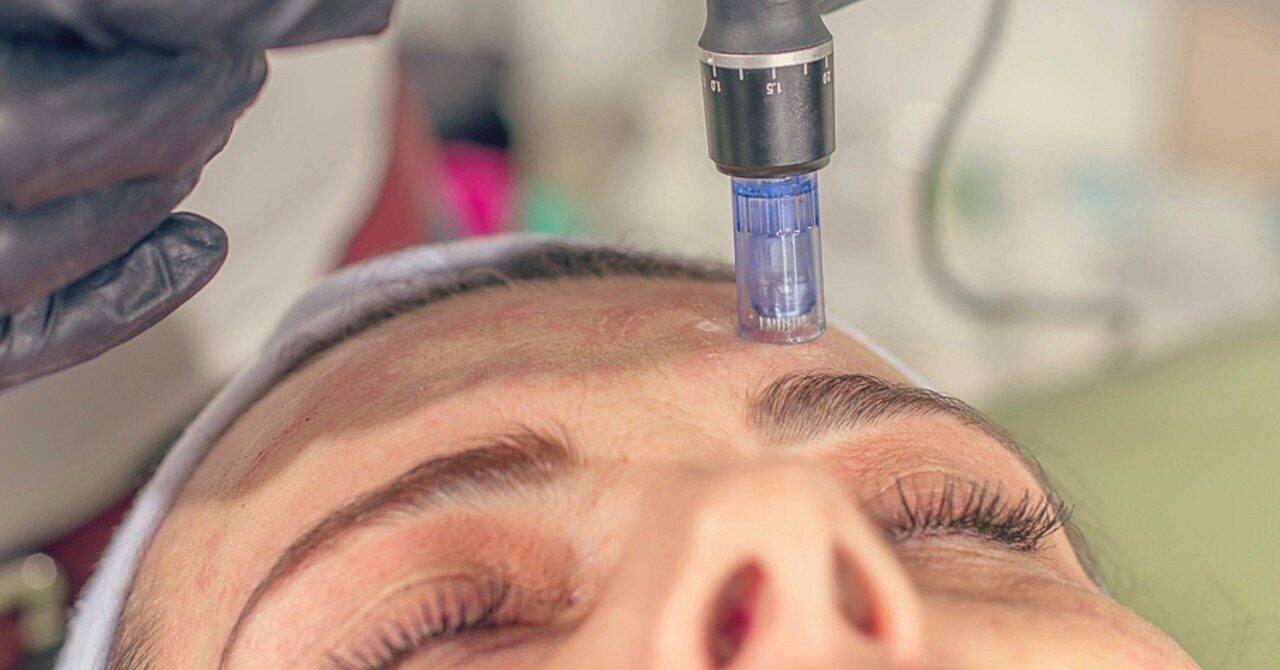
The promise of reducing scars using microneedling rollers purchased online can actually make your skin worse. Dermatological surgeon Emerson de Andrade Lima, linked to Santa Casa de Recife, warned that handling these devices without medical supervision is dangerous. This practice can trigger infections, cause lacerations, lead to the emergence of new marks and even transmit diseases, especially if the materials are not properly sterilized or are shared.
This warning is part of a set of comprehensive guidelines on scar management, whose impacts go beyond mere aesthetic issues. According to the expert, these marks can compromise range of motion, cause discomfort, itching and significantly affect the emotional well-being of those who have them.
The impact of scars goes beyond aesthetic issues
Scars form when the skin seeks to repair an injury, which can be caused by surgical procedures, burns, acne, accidents or other traumatic events. During this process, the body produces tissue that differs from the original skin and may vary in color, texture, thickness and elasticity.
In addition to concerns about appearance, scars often refer to impactful experiences, such as serious accidents, episodes of violence or health conditions. Many people report suffering from repetitive questions about the origin of their marks, which can rekindle past traumas.
Scar tissue is also distinguished by not containing sweat glands, sebaceous glands, or hair follicles. Depending on the affected area, it can make mobility difficult, restrict the movement of limbs, cause eyelids to retract or compromise the ability to close the mouth.
Understand the reason for the different colors and textures of scars
During the healing process, the body generates fibrous tissue with a high concentration of collagen, with the aim of quickly closing the wound.
This mechanism can result in:
- Reddish scars, resulting from increased vascularity in the area;
- Scars that are lighter in color than the surrounding skin (achromic);
- Darker scars (hyperpigmented);
- Scars that appear elevated, depressed or retracted.
Even without causing pain, these visible changes can cause considerable aesthetic discomfort for the individual.
Crucial difference between keloid and a common skin scar
According to Emerson de Andrade Lima, it is common for people to confuse any raised scar with a keloid, but this perception is not correct.
The keloid is characterized by being a hard, raised and reddish lesion, which expands beyond the original limits of the wound. It usually causes pain and itching, especially in areas such as the chest and breasts.
The predisposition to keloids has a genetic component. Individuals with black or brown skin are more likely to develop more exuberant scars, but this does not guarantee that everyone will form keloids. People with lighter skin can also develop this type of lesion.
Why Stretch Marks Are Categorized as Types of Scars
The specialist explains that stretch marks arise from a rupture in the layers of the skin and, for this reason, they are also classified as a type of scar.
They can appear during pregnancy, after significant weight gain or intense muscle growth. Initially, they tend to be reddish and, over time, they acquire a whitish color. Treatments for stretch marks follow similar principles to those applied to other forms of scars.
The importance of a suitable environment for professional microneedling
The specialist reiterates an important warning about the acquisition and home use of microneedling rollers, which are widely available on the internet.
He explains that many of these products do not have needles with the necessary quality standards. Instead of performing precise microperforations, they can tear the skin, increasing the risk of blemishes, new scars and infections. The popularity of home microneedling devices, often sold online, lacks strict regulation, exposing consumers to products of questionable quality without proper professional guidance, which significantly increases the risks of inappropriate use and its consequences.
Additionally, the doctor emphasizes that this equipment can encourage the proliferation of bacterial infections, including mycobacteria, which require prolonged antibiotic treatment. Sharing these devices also increases the risk of contamination by various diseases.
Another concern highlighted by Lima concerns the application of substances to the skin immediately after microneedling.
Products intended for domestic use may not be of adequate quality or sterility, increasing the chances of burns, the appearance of new scars and other complications.
Specific treatment options for different types of scars
There is no universally applicable technique for all scars. According to the doctor, choosing the most effective treatment depends exclusively on the individual characteristics of each injury. Among the therapeutic approaches mentioned are:
- Use of lasers and intense pulsed light to reduce redness;
- Application of silicone plates and gels;
- Skin hydration sessions;
- Microneedling carried out by trained professionals;
- Dermal tunneling procedure;
- Shaving (tangential scraping) to reduce the relief of the scar;
- Infiltration of specific substances to soften raised scars.
The main objective of these treatments is to make the scar tissue as close as possible to normal skin, although it will never return to being identical to the original tissue.
Preventive measures to avoid scars with greater visibility
Essential care for the formation of less visible scars must be started immediately after a surgical intervention or any other type of trauma to the skin.
Among the specialist’s recommendations, the following stand out:
- Strictly follow all medical instructions provided after removing the stitches;
- Consider the use of silicone plates or gels, as indicated;
- Keep your skin hydrated when professionally recommended;
- Protect the scar from sun exposure, using sunscreen and appropriate clothing;
- Avoid physical efforts that could strain the region during the healing process;
- Seek medical attention if the scar shows excessive redness, elevation or other unexpected changes.
According to Emerson de Andrade Lima, the maturation of a scar can last for many months and continue to evolve for up to two years. Throughout this period, sun protection maintains its fundamental importance in promoting healing that resembles healthy skin as closely as possible.
New approaches allow the improvement of older scars
The specialist states that even scars that have existed for a long time can be treated. This includes marks left by acne, accidents, burns or other injuries. In addition to providing improvements in aesthetics and functionality, the treatment can increase self-esteem and offer support to patients who are still dealing with the emotional impact linked to the memory of these events.




