
Brazilian team will not have players hanging in the knockout stages of the 2026 World Cup with new FIFA rules

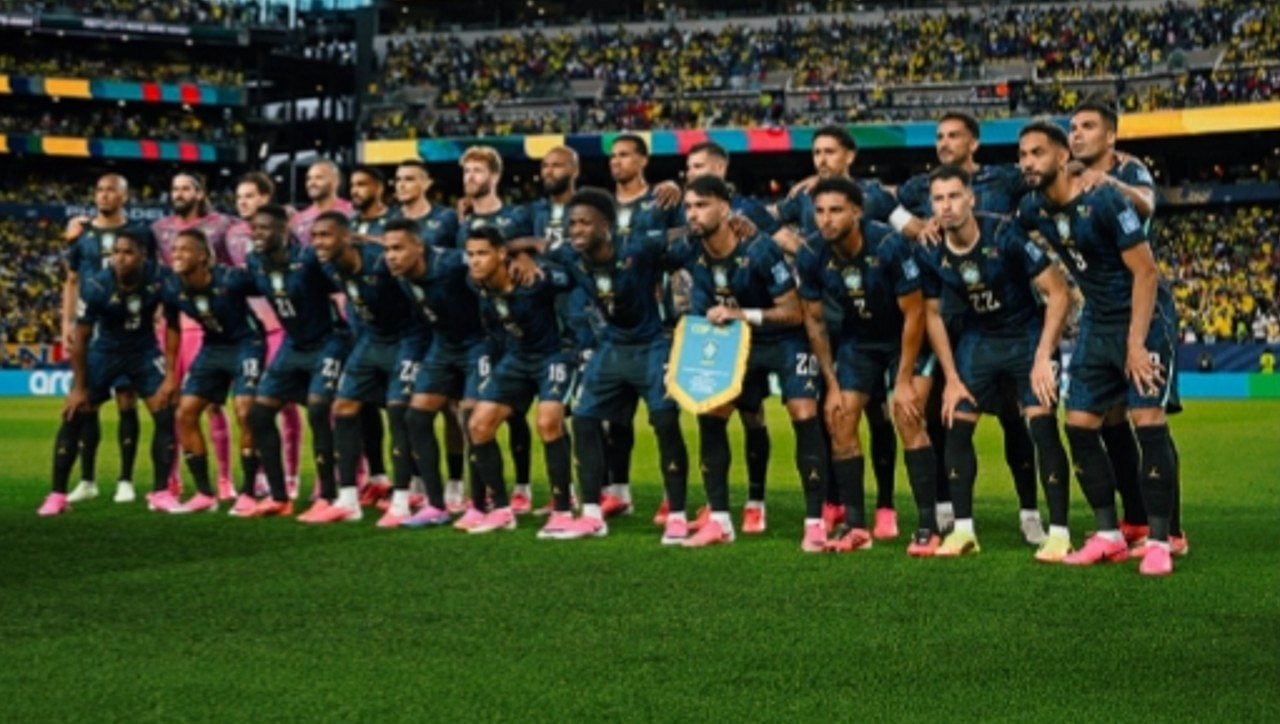
The Brazilian team accumulated five yellow cards during the group stage of the 2026 World Cup, with warnings given to Ibañez, Casemiro, Douglas Santos, Fabinho and Danilo. Despite punishments, such as Casemiro’s card against Morocco and Danilo’s card against Scotland, these players will not face the risk of suspension when the knockout phase of the competition begins. FIFA’s card rule has been adjusted to prevent important absences.
One of the main changes to the 2026 World Cup regulations is the redefinition of the card count in two crucial stages of the tournament. Unlike previous editions, which only provided for a ‘cleaning’ moment, the warnings are now reset after the end of the group stage and, again, after the quarter-final matches.
Understanding changes to card rules and the 2026 World Cup calendar
This regulatory change was implemented in response to requests from confederations, which sought adaptations due to the expansion of the World Cup. The tournament now has a greater number of dates, including five knockout stages, and a significant increase in the total number of participating teams, going from 32 to 48 nations.
During the World Cup, the accumulation of two yellow cards by the same player results in automatic suspension for the following match. Therefore, athletes warned with two cards in the second phase and round of 16 matches run the risk of being left out of the quarter-final matches.
After the quarterfinals, the card count is reset once again, offering a new opportunity for players. However, any athlete who receives yellow cards in the eventual quarter and semi-final matches still runs the serious risk of being prevented from participating in the much-desired final of the competition.
The approval of this new card rule took place on April 28, marking a day of important decisions for world football. On the same date, the “Vini Jr.” Law was also approved, a historic measure that establishes the immediate expulsion of players who cover their mouths to hurl racist or discriminatory insults at opponents, a behavior that has been rigorously combated by FIFA.




