
Scientists reveal 31 new species in record time in Brazilian depths, driven by technological innovation

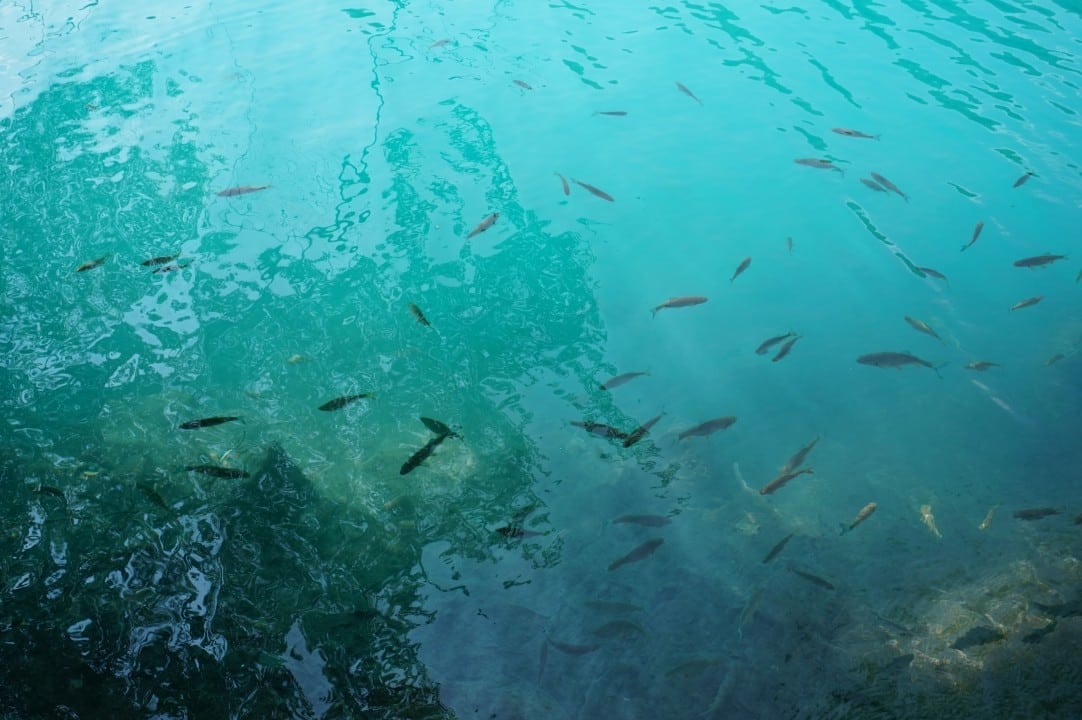
A recent scientific foray, conducted in international waters adjacent to the Brazilian coast, culminated in the extraordinary discovery of 31 new species. In just two weeks, the marine biology team, dedicated to exploring deep and often inhospitable ocean ecosystems, recorded a volume of identifications that surprised the international scientific community. This specific area of the Atlantic, characterized by its vast extension, extreme depths and complexity of underwater relief, is recognized as a potential storehouse of biodiversity that is still largely unexplored. The speed with which these new organisms were cataloged not only highlights the importance of these expeditions for understanding marine life in little-known regions of the planet, but also underlines the urgency of conservation initiatives for these vulnerable habitats, offering an unprecedented glimpse into the underwater ecological richness and the global interconnectedness of the oceans.
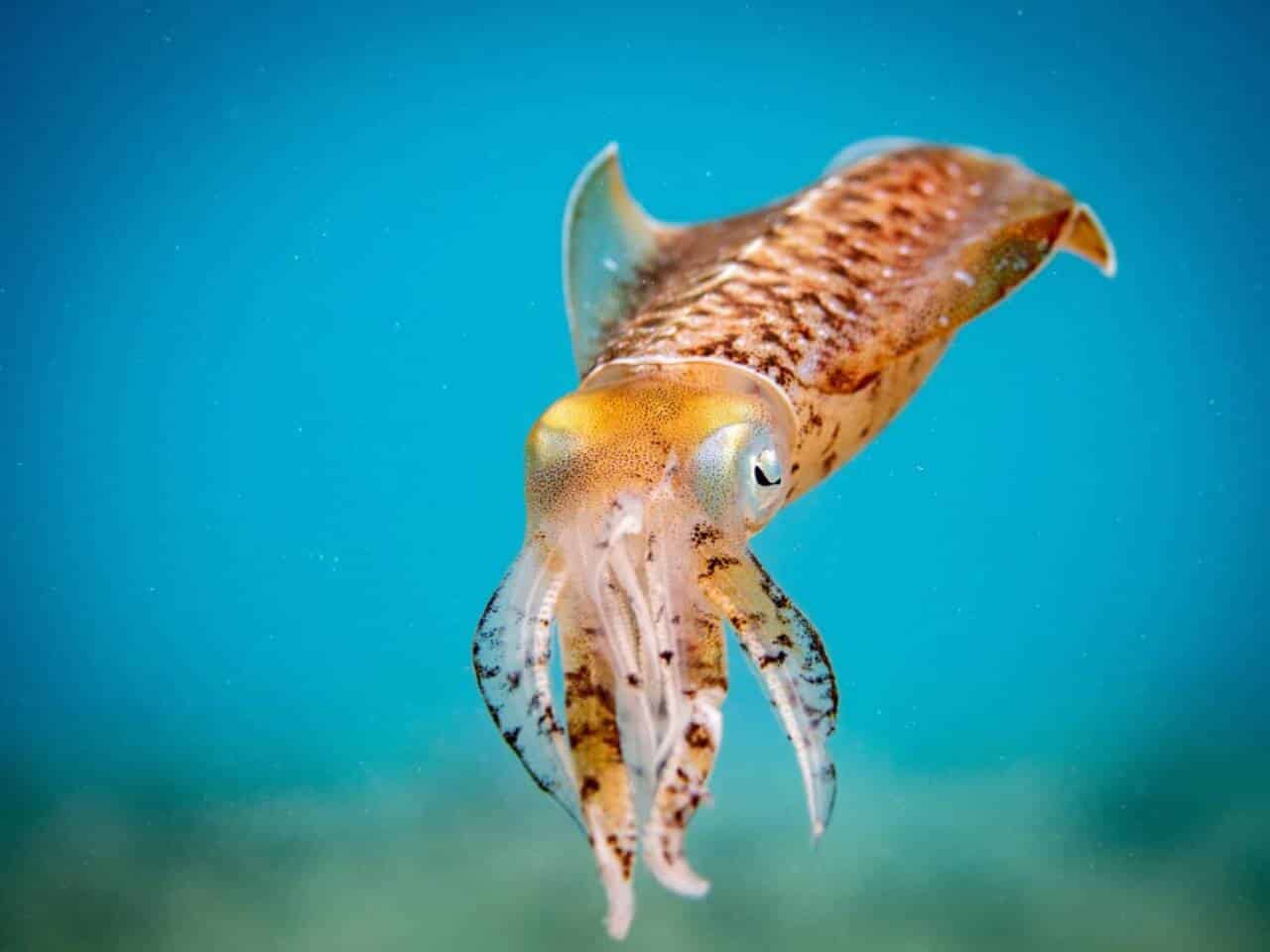
The scientists involved in this endeavor consider the accelerated pace of identifications as a watershed in modern oceanographic research. The unprecedented speed in locating and categorizing these species represents a historic feat, contrasting sharply with traditional methods, which often require years and significant resources to achieve comparable results. This success is largely due to the application of a cutting-edge technological tool, designed and developed internally by the multidisciplinary science and engineering team itself, specifically to overcome the challenges of deep-water exploration. This innovation, affectionately nicknamed “Lula”, marks the first time that a research vessel has been able to perform detailed observation of the three-dimensional cellular structure of microbial organisms directly in the marine environment, with unprecedented precision. The ability to visualize microlife in its three-dimensional complexity not only opens new frontiers for the in-depth study of microbial ecology and its crucial roles in ocean biogeochemical cycles, but also promises significant advances in the search for bioactive compounds and understanding ecosystem responses to global climate change, directly impacting our understanding of ecosystem health and even the future of the planet.





