
Moon phase today June 30, 2026 and the forecast for the next changes in the lunar cycle

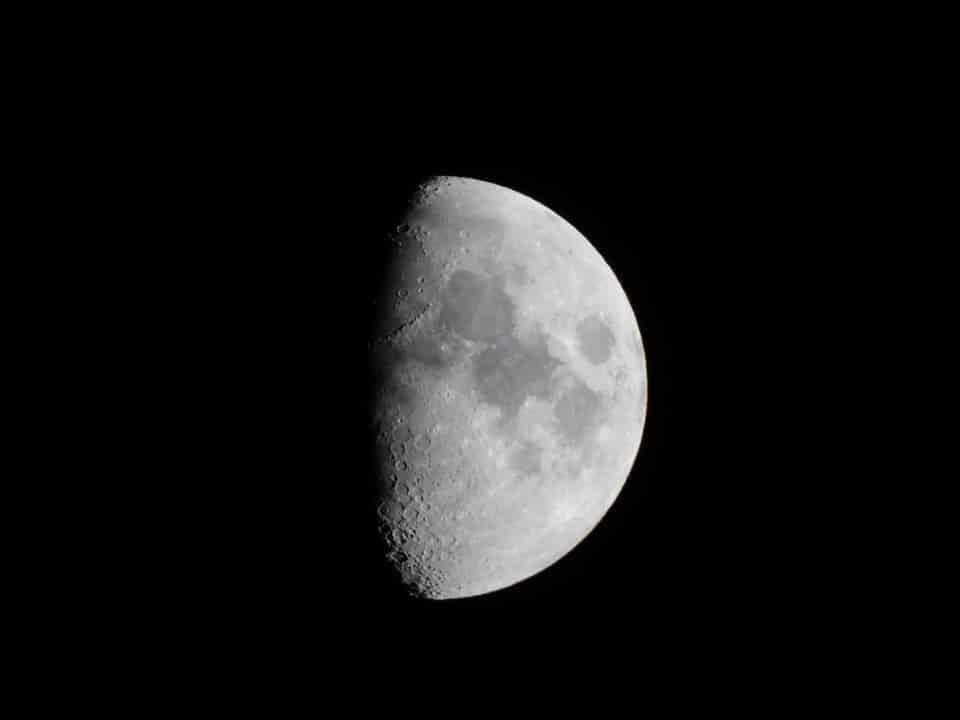
Nesta terça-feira, 30 de junho de 2026, a lua atingiu sua fase cheia, exibindo 100% de sua visibilidade no céu noturno. This phenomenon is part of a continuous cycle, where the natural satellite orbits the Earth and the Sun, in revolution and translation movements, respectively. The complete lunar cycle covers around 29.5 days, a period in which the moon goes through its four main phases: New, Waxing, Full and Waning.
Maximum visibility of the moon this Tuesday, June 30, 2026
Also this Tuesday, June 30th, the moon is fully visible, characterizing the full phase. According to data from the National Institute of Meteorology (Inmet), this condition of total illumination extends until August 5, 2026, with the transition to the waning moon scheduled for 11:22 pm. The full phase, in this context, represents the peak of solar illumination reflected on the visible face of the satellite, a nighttime spectacle widely appreciated and scientifically monitored.
Important Lunar Calendar Dates for June 2026
The National Institute of Meteorology (Inmet) detailed the start dates for each phase of the moon during the month of June. This information helps you understand the progression of the cycle.
The full moon began on June 29, 2026, at 8:58 pm.
A previous full phase was recorded on May 31, starting at 5:46 am.
The waning moon began on June 8, 2026, at precisely 7:03 am.
The new moon phase began on June 14, 2026, at 11:56 pm.
The crescent moon began on June 21, 2026, from 6:55 pm.
How the Moon’s Phases Are Determined by Its Movement and Light
The moon, as it is a satellite, does not have the ability to generate its own light, unlike stars. The brightness we perceive from Earth is the direct result of sunlight reflecting off its apparent surface, depending on our perspective on the planet. Thus, the sequence of lunar phases is an unfolding of the revolution and translation movements that the moon performs around the Earth and the Sun.
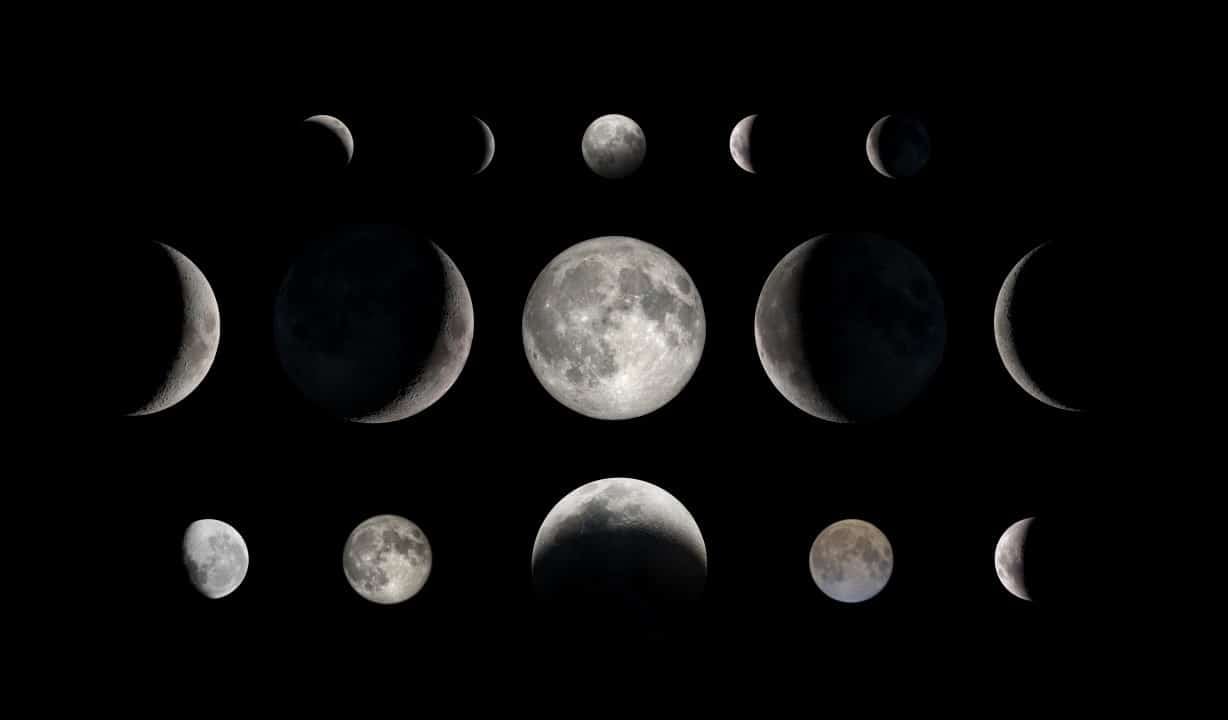
In addition to the four main phases already mentioned — New, Crescent, Full and Waning — the cycle includes four other intermediate phases: First Crescent, Crescent Gibbous, Waning Gibbous and Waning Quarter. The lunar cycle traditionally begins and ends with the new moon phase, following a specific and predictable order.
The complete cycle of the eight lunar phases
- New moon
- Crescent Moon
- Crescent quarter
- Gibbous crescent
- Full moon
- Gibbous waning
- Last Quarter
- Waning Moon
Understand the phase of the new moon and its characteristics in the sky
The new moon marks the beginning point of the lunar cycle, making it practically invisible to observers on Earth. This occurs because the side of the satellite that faces our planet is the opposite side to the one that receives direct illumination from the Sun, making it difficult to perceive in the sky.
What happens during the waxing moon phase
In the waxing moon phase, the illuminated portion of the satellite gradually begins to become visible from Earth, appearing after the new moon. During this period, only a swath of the moon becomes visible. This phase is followed by two important intermediate stages: the first quarter and the gibbous crescent, which precede the full moon.
The full moon phase: the maximum point of luminosity
After the gibbous crescent phase, the moon reaches its full stage, a period in which the satellite appears at its point of greatest visibility for Earth’s inhabitants. At this stage, its fully illuminated face is completely facing the planet, providing a spectacular and brilliant view.
Characteristics and transition of the waning moon phase
Continuing the movements of revolution and translation, the waning moon represents the moment when the visible portion of the satellite begins to progressively decrease, until only a thin strip remains. This phase directly precedes the new moon, indicating the restart of the entire lunar cycle.





