
Iceland resumes commercial whaling after two years of suspension and intensifies global debate

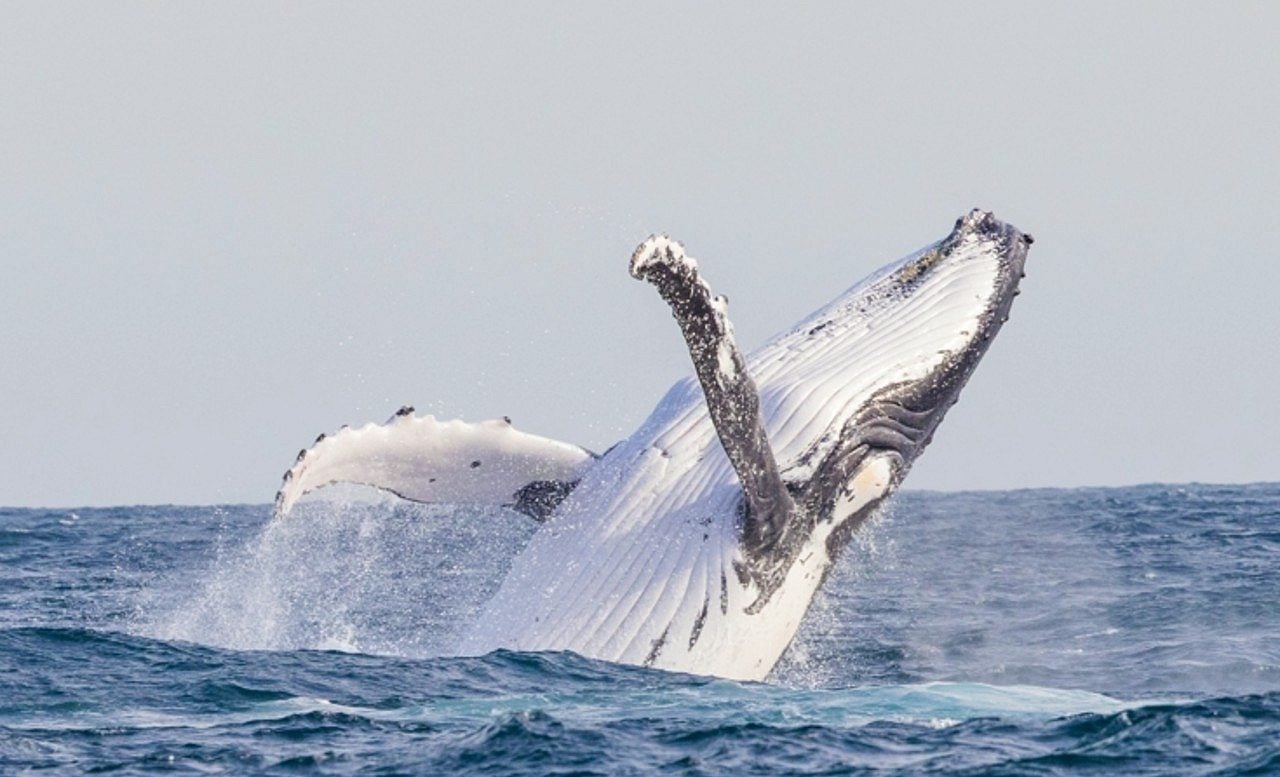
The Nordic country, Iceland, restarted commercial whaling last Sunday, July 21, after a two-year period without any recorded catches. The vessel Hvalur 9 was responsible for killing two fin whales in the first days of the season, marking the return of an activity that many expected to be in decline.
Currently, only three nations openly commercially hunt whales: Iceland, Norway and Japan. The practice faces severe criticism from several environmental and animal protection organizations, especially as it involves the fin whale (Balaenoptera physalus), the second largest mammal on the planet after the blue whale, and categorized as vulnerable to extinction by the International Union for Conservation of Nature (IUCN).
For the 2026 season, Iceland has granted authorization to capture up to 150 fin whales and 168 minke whales, also known as minke whales. The established quotas represent a significant reduction compared to numbers from 2018 to 2025, with a cut of 28% for fin whales and 23% for minke whales.
Consumption and fate of whale meat
Whale meat is used for human consumption. Although there is still a portion of domestic consumption in Iceland, the majority of production is exported to Japan.
Historically, this consumption has deep roots. In the post-World War II era, whale meat became a crucial source of protein for the Japanese population, in a context of severe food shortages.
However, the current consumption pattern in Japan is considerably lower than that observed in previous decades. Furthermore, Japan itself expanded its whaling fleet, increasing local meat production and reducing the need for imports from Iceland.
This decrease in demand was one of the factors that contributed to the standstill of the Icelandic whaling industry over the last two years. Another relevant point was the growing concern about animal welfare.
In 2023, an opinion issued by the Icelandic veterinary authority pointed out that the methods used to slaughter the whales did not comply with national animal protection standards.
Commercial whaling uses explosive-tipped harpoons, which do not always result in instant death. Studies released by the organization Whale and Dolphin Conservation (WDC) reveal that a whale can take up to 20 minutes to die after being hit. Data from the 2022 season showed that 41% of animals did not die immediately, with some suffering for more than an hour.
These findings led the Icelandic government to temporarily halt the hunting season in 2023. In the following years, 2024 and 2025, no whales were captured, which intensified the belief that the activity could finally be brought to an end.
However, this expectation did not come true. Shortly before his departure, the interim government granted Hvalur hf., the only Icelandic company authorized to hunt fin whales, a license valid for five years. With the authorization still active, the company decided to resume operations this summer, already making the first catches of the season.
The resumption of hunting activities sparked a new wave of protests. Before the ships left the port of Reykjavik, a protester climbed the mast of one of the vessels, trying to prevent their departure. He came down hours later and was detained by police.
Understand permission to hunt despite international ban
The resumption of whaling has revived an important question: how can Iceland maintain commercial whaling if it has been banned internationally since 1986?
The moratorium imposed that year by the International Whaling Commission (CBI), a body created to safeguard whale populations after decades of intensive exploitation, came into force.
Iceland, although it initially complied with the decision, maintained a small scientific hunting program until 1989. The country withdrew from the commission in 1992, but returned ten years later, registering, however, a formal reservation against the moratorium.
In practice, this gives the country the prerogative to consider that the ban does not apply to its commercial operations, allowing it to set its own catch quotas.
Since commercial whaling resumed in 2006, more than 1,900 fin whales and minke whales have been killed in Iceland, according to data from the International Fund for Animal Welfare (IFAW). Hvalur hf. alone is responsible for the deaths of more than a thousand fin whales since 2009.
Despite the return of activity, the future of whaling remains uncertain. The Icelandic government announced that it intends to introduce, later this year, a bill with the aim of definitively banning the practice.
If the proposal is approved, the legislation could put an end to a practice that has been losing support domestically: data from the organization OceanCare indicates that more than half of the Icelandic population is already opposed to commercial hunting.
“The whaling company’s decision to resume killing whales, despite everything that has happened in recent years in the country, is deeply disappointing. Commercial whaling is an outdated and unjustifiable practice. Killing whales for commercial purposes in the 21st century is neither necessary nor acceptable,” said Mark Simmonds, director of Science at OceanCare, in a statement.





