
Mysterious noises lead Scottsdale family to discover wild bobcat living in their home’s attic

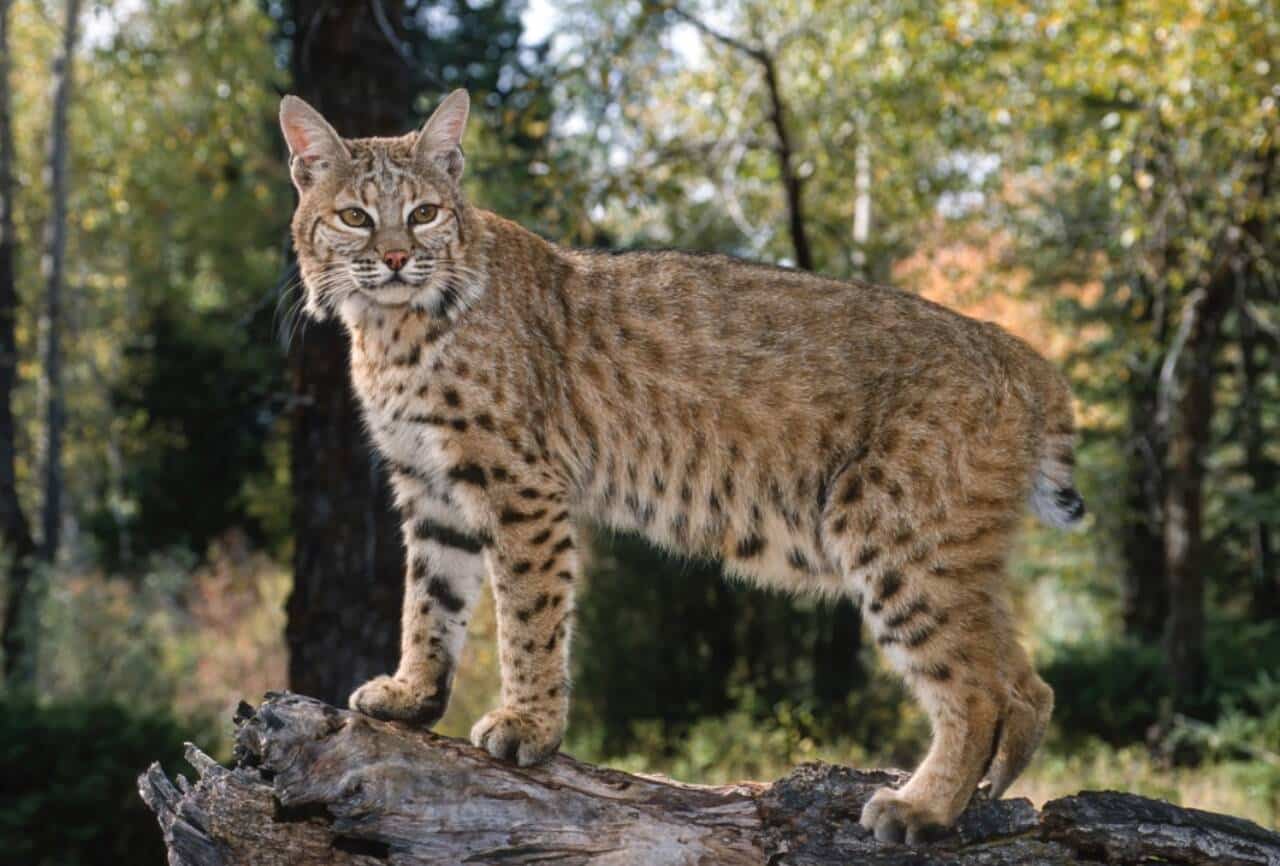
An unusual scratching noise in the attic revealed a wild surprise for a family in Scottsdale, Arizona. The wildlife protection team was called and made an unexpected discovery: an American lynx was sheltering there, turning the space into its hiding place.
The case, recently publicized, serves as an important warning for residents about coexistence with local fauna. Experts emphasize that the presence of wild animals in residential environments is a phenomenon that requires attention and preventive measures.
The unusual discovery on the Scottsdale roof
The family began hearing strange sounds coming from the attic, initially thinking it was a common rodent. The persistence of the noises, however, raised suspicions and motivated the investigation. Upon inspecting the place, they came across glowing eyes in the darkness, confirming that the intruder was not a domestic animal.
After the discovery, teams specializing in wildlife rescue and protection were called in to deal with the situation in a safe and humane way. Removing the feline from the residential environment is crucial both for the safety of residents and for the well-being of the animal, which may be disoriented or injured.
Risks of the presence of big cats in urban areas
The proximity of bobcats and other wildlife to inhabited areas can pose significant dangers. Bobcats, although generally shy, can become aggressive if they feel cornered or are protecting their young. They can attack pets, especially small dogs and cats.
In addition to the direct risk of attacks, these animals can carry diseases and parasites, such as fleas, ticks and rabies, which can be transmitted to humans and pets. The presence of a bobcat in an attic can also cause structural damage to the home, such as scratches and gnaws on wires and insulation.
What attracts bobcats to the neighborhood
Urban expansion over natural areas is one of the main factors that lead wild animals to seek refuge and food in cities. Bobcats are adaptable animals and are attracted to residential environments for several reasons:
- Search for food:Rodents, rabbits and birds are natural prey for bobcats and can be abundant in yards and gardens. Loosely sealed trash cans and pet food left out in the open can also attract them.
- Access to water:Water sources such as swimming pools, birdbaths and puddles become attractive, especially in arid climates like Arizona.
- Safe shelter:Attics, porches, and spaces under decks and dense shrubs provide safe places for resting, breeding, and protection from predators or extreme weather.
- Wildlife corridors:Many cities have streams, parks or green areas that serve as natural corridors for these animals to move around, facilitating their entry into residential areas.
Prevention measures for residents
To avoid the unwanted presence of bobcats and other wild animals in homes and properties, some precautions are essential. These actions help to minimize attractions and protect both residents and wildlife.
Residents should ensure that all bins are securely closed and, if possible, stored indoors overnight. Pruning dense vegetation around the house and avoiding piling up wood or debris in the yard reduces potential hiding places. It’s critical that people regularly check attics, garages and other outdoor areas to identify and seal potential entry points. Keeping pets indoors, especially at night, and not leaving them unsupervised in gardens is also an important measure.
The rescue process and the fate of wild animals
Once the lynx is located, the wildlife team employs safe techniques to capture the animal without causing stress or injury. Generally, humane traps are used and, if necessary, mild sedatives administered by veterinarians.
The rescued lynx undergoes a health assessment to check for injuries or illnesses. It is then transported and released into a suitable natural habitat away from residential areas, where it can thrive without interacting dangerously with humans. The priority is always to ensure community safety and wildlife conservation.




