
TSA finds smoke grenades hidden in peanut butter jar in passenger’s luggage in Indianapolis

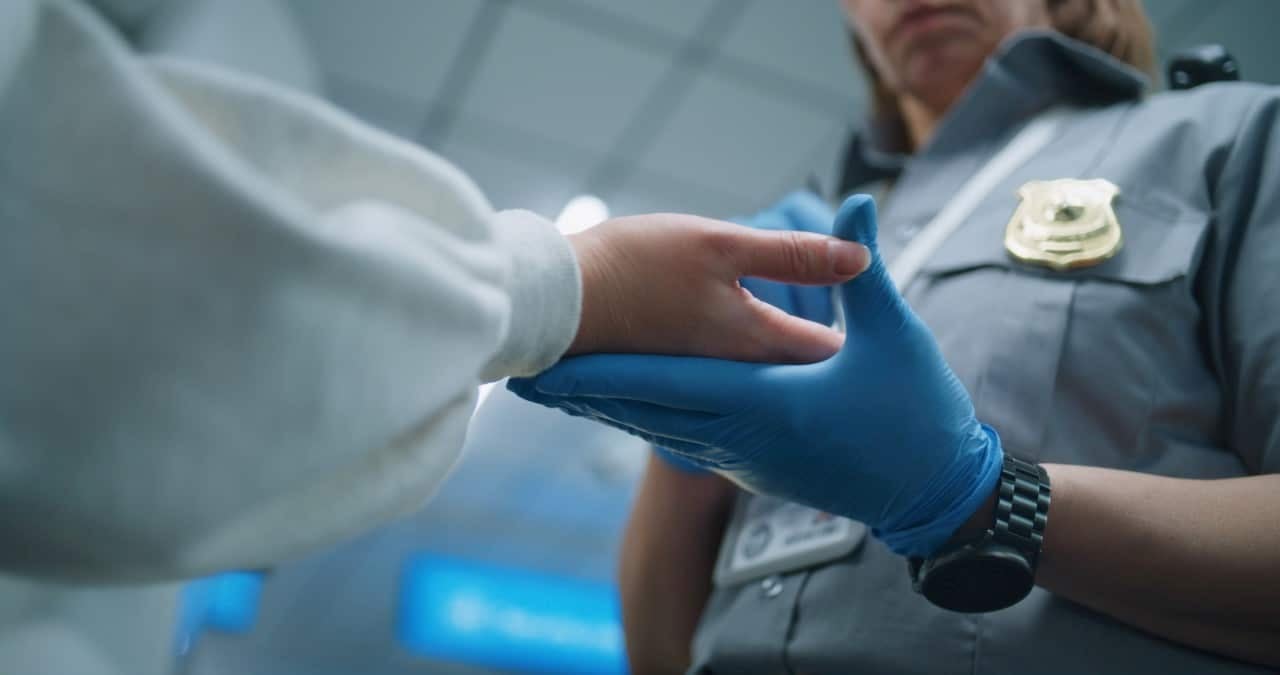
An unusual case caught the attention of security agents at Indianapolis International Airport recently. There, a passenger tried to pass through an inspection carrying functional smoke grenades, which were camouflaged inside a jar of peanut butter, in luggage that was to be checked in, as reported by the United States Transportation Security Administration (TSA).
During the inspection, two smoke grenades were located and were ready for use. One of the artifacts was detected in an ingenious way, inserted into a jar of peanut butter. The items were located after the individual’s luggage, whose identification was kept confidential, was chosen for a detailed inspection, according to the TSA. The security entity highlighted that hiding vetoed items could result in stricter sanctions.
Michael Dunphy, a TSA explosives expert, expressed great surprise at the incident. He said that, upon examining the contents of the suitcase, he noticed that one of the explosive devices was missing. An in-depth investigation revealed that the second grenade was hidden in the jar of peanut butter, a discovery that left him visibly shocked.
Called back to the airline counter, the passenger explained to the authorities that the idea of hiding the grenades in this way, inside the jar of peanut butter, came from an acquaintance. The security agency confirmed the narrative presented by the man.
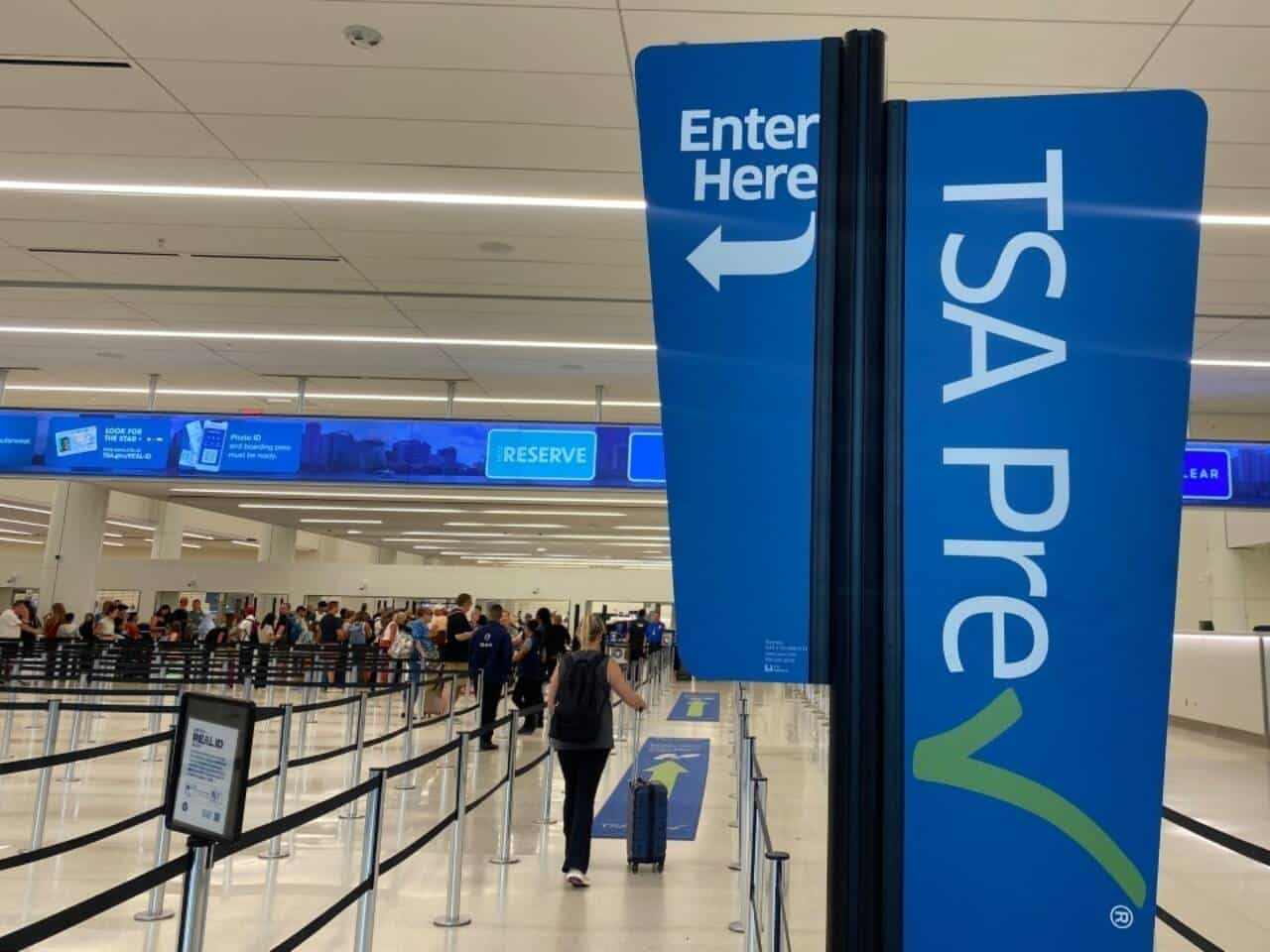
Despite the incident, there were no interruptions in flight activities at the airport. The TSA attributed the uninterrupted operation to the agility and competence demonstrated by the employees who acted in the situation.
Aaron Batt, director of federal security for the TSA in Indiana, said the method of hiding the objects raised doubts about the individual’s real purposes. For this reason, the airport police and airline management were immediately called in to handle the case in a safe and controlled manner.
Batt also highlighted the efficiency of the checked bag tracking system. State-of-the-art devices allowed agents to view a clear image, highlighting the need for manual inspection of the suspected location.
To date, no precise information has been released regarding the possibility of the passenger receiving fines or being subject to criminal charges due to the incident. Authorities have not provided further details at this time.
TSA Specialist’s Experience with Prohibited Items
Dunphy reported that, in his eighteen-year career as an explosives expert with the TSA, he had never witnessed an attempt to carry operational smoke grenades in a traveler’s luggage.
He added that most of the alerts issued by security devices are caused by harmless items, and not by real dangers, which makes this event one of the most relevant in his recent experience.
The risks of carrying restricted materials on planes
Batt made an important warning: taking restricted items on planes “can always cause unintentional harm”, without considering the passenger’s intention. In this particular episode, the variation in pressure in the cabin could have unexpectedly detonated the grenades, releasing smoke inside the aircraft in mid-flight.
The security director recalled that TSA agents examine thousands of images per day. Although on most occasions there are no risk objects, the readiness and attention of the team are essential when a real danger appears, as was seen in this case.
Another TSA Challenge: Fans and Ranch Sauce
The unusual occurrence in Indianapolis coincides with a period in which the TSA is dealing with another peculiar issue involving food products: the high demand from FIFA World Cup fans wanting to carry ranch dressing on their flights. In recent weeks, several publications on digital platforms have exposed reports of foreign travelers who tried the famous American sauce while in the United States to watch their teams’ matches.
Due to this popularity, the US Transportation Security Administration (TSA) recorded an increase in passengers trying to board with ranch dressing in their carry-on luggage. However, guidelines for carry-on items restrict liquids to containers of no more than 100 ml. For this reason, the agency has advised travelers to choose to ship the product.
In a communication published last month, the TSA advised travelers to avoid consuming ranch dressing outside the security area, stating that airlines would take care of the verification.





