
Underwater exploration in Brazil identifies 31 new species in a record time of two weeks

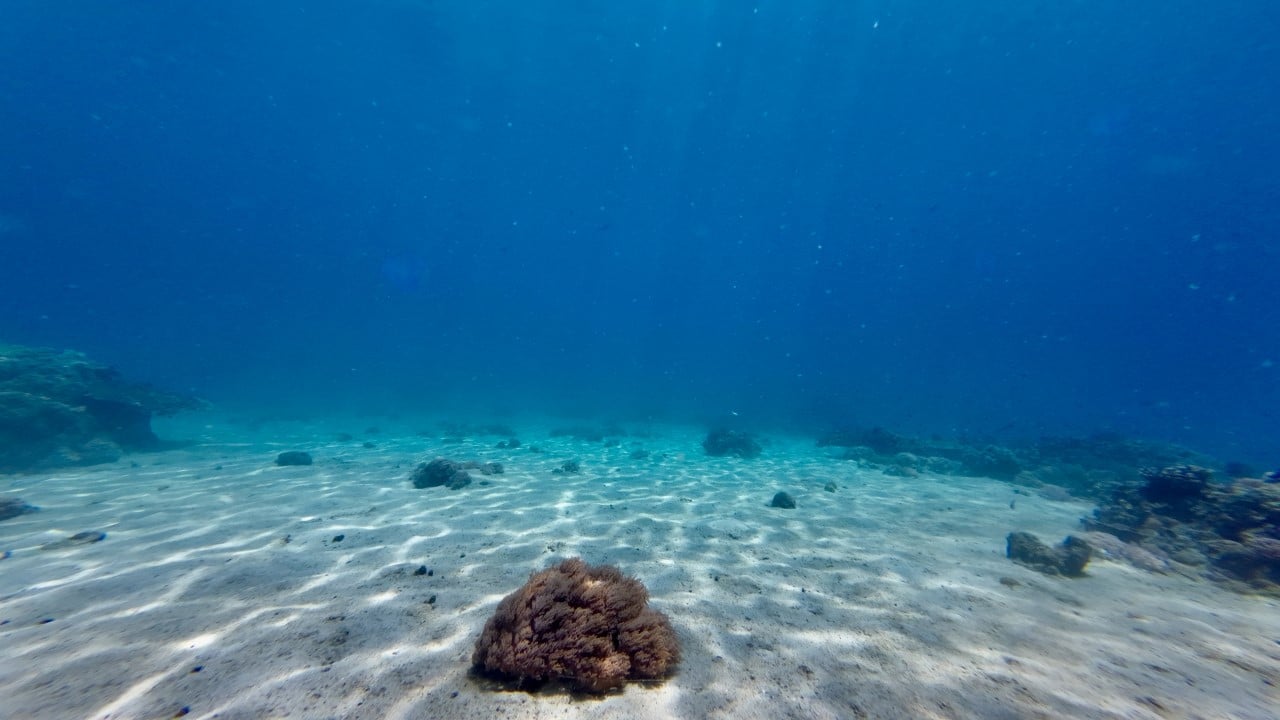
A surprising scientific expedition has revealed the existence of 31 new marine species in Brazilian waters, a remarkable feat achieved in just two weeks of research. The discovery, which includes corals, sponges and diverse forms of invertebrate life, highlights the still unexplored richness of the South Atlantic ocean ecosystem, near the coast of Brazil.
Scientists aboard a research vessel have mapped areas of the seafloor that have never been studied in detail. The agility of the team and the technology used allowed the collection and analysis of samples at considerable depths, revealing a universe of organisms unknown to science until then. This finding reinforces the importance of continued investments in the exploration and cataloging of marine life.
Details of the surprising scientific journey
The recent exploratory mission focused on strategic regions of the Brazilian continental shelf, known for their geographic complexity. Using remotely operated underwater vehicles (ROVs) and advanced sampling equipment, researchers were able to access hard-to-reach ecosystems. The speed of discovery is a testament to the effectiveness of the methodology applied and the expertise of the experts involved.
The main objective of the expedition was to expand knowledge about marine biodiversity in deep areas, often ignored in more superficial studies. This focus allowed the identification of organisms that live in extreme conditions, far from sunlight and under high pressure. The ability to operate with precision in these hostile environments was crucial to the success of the endeavor.
New species identified in the depths
Among the 31 new species catalogued, the diversity of life forms is impressive. Different types of:
- Cold water corals:Fundamental for the formation of deep reefs, which serve as habitat for a wide range of other organisms.
- Sea sponges:Filter-feeding organisms that play a vital role in cleaning water and the ocean’s nutrient cycle.
- Molluscs and crustaceans:Including several species of snails, bivalves and small crabs with unique characteristics.
- Other invertebrates:Several groups of animals without backbones, whose functions in the ecosystem still need to be studied.
Each of these discoveries represents a key link in the complex web of marine life. Detailed analysis of these species will provide valuable insights into evolution, adaptation, and ecological interconnections in deep ecosystems.
Impact on Brazilian marine biodiversity
Brazil has one of the largest and most diverse coastal zones in the world, with an extension that covers multiple marine biomes. The identification of dozens of new species highlights how little known the depths of the Atlantic Ocean are in its South American portion. This event of great scientific relevance highlights the country’s potential for future discoveries and the recognition of its immense natural wealth.
With each new species discovered, scientists gain an additional piece to put together the puzzle of marine life and better understand ecological processes. Furthermore, the presence of unique and not yet documented ecosystems may indicate the existence of biodiversity “hotspots” that require special attention in terms of conservation. Mapping these locations is an initial step for any protection initiative.
Challenges and the future of ocean conservation
Despite the joy over new discoveries, the oceans face numerous threats, such as climate change, plastic pollution and overfishing. Newly identified species, as they are in relatively isolated environments, may be even more vulnerable to environmental changes. The need to protect these habitats becomes more urgent with the revelation of their biodiversity.
Continued research and implementation of effective conservation policies are essential to safeguard these ecosystems. The future of Brazilian and global marine life depends on human ability to understand, value and protect the depths of the ocean. The recent discoveries serve as a powerful reminder of the vastness of what we don’t yet know and the fragility of what already exists.
What makes Brazilian waters unique for marine life
The geographic and oceanographic characteristics of the Brazilian coast contribute significantly to its high biodiversity. The extensive continental shelf, the presence of hot and cold ocean currents that meet, and the variety of marine substrates create diverse ecological niches. This combination of factors favors the emergence and maintenance of a large number of species, many of them endemic.
Furthermore, the Southwest Atlantic region, where Brazil is located, is less explored compared to other ocean basins. This means there is greater potential for scientific discoveries, like the 31 species recently found. The depth and complexity of underwater relief act as natural barriers, protecting these ecosystems and allowing life to evolve in unique ways.





