
Fossil analysis confirms turtles as close relatives of dinosaurs and crocodiles


Scientists at Harvard University have released shocking results about the ancestry of turtles, proposing that these reptiles share a closer evolutionary relationship with archosaurs. This group includes dinosaurs and crocodiles, and the new thesis contradicts previous theories that linked turtles to species such as lizards and snakes, offering crucial context for understanding the diversification of reptilian life.
To reach these conclusions, experts employed a rigorous methodology, combining cutting-edge genomic analyzes with an in-depth study of fossil records. DNA sequences from several species of current turtles were meticulously compared to genetic data from other reptiles, such as birds, crocodiles and even lepidosaurs.
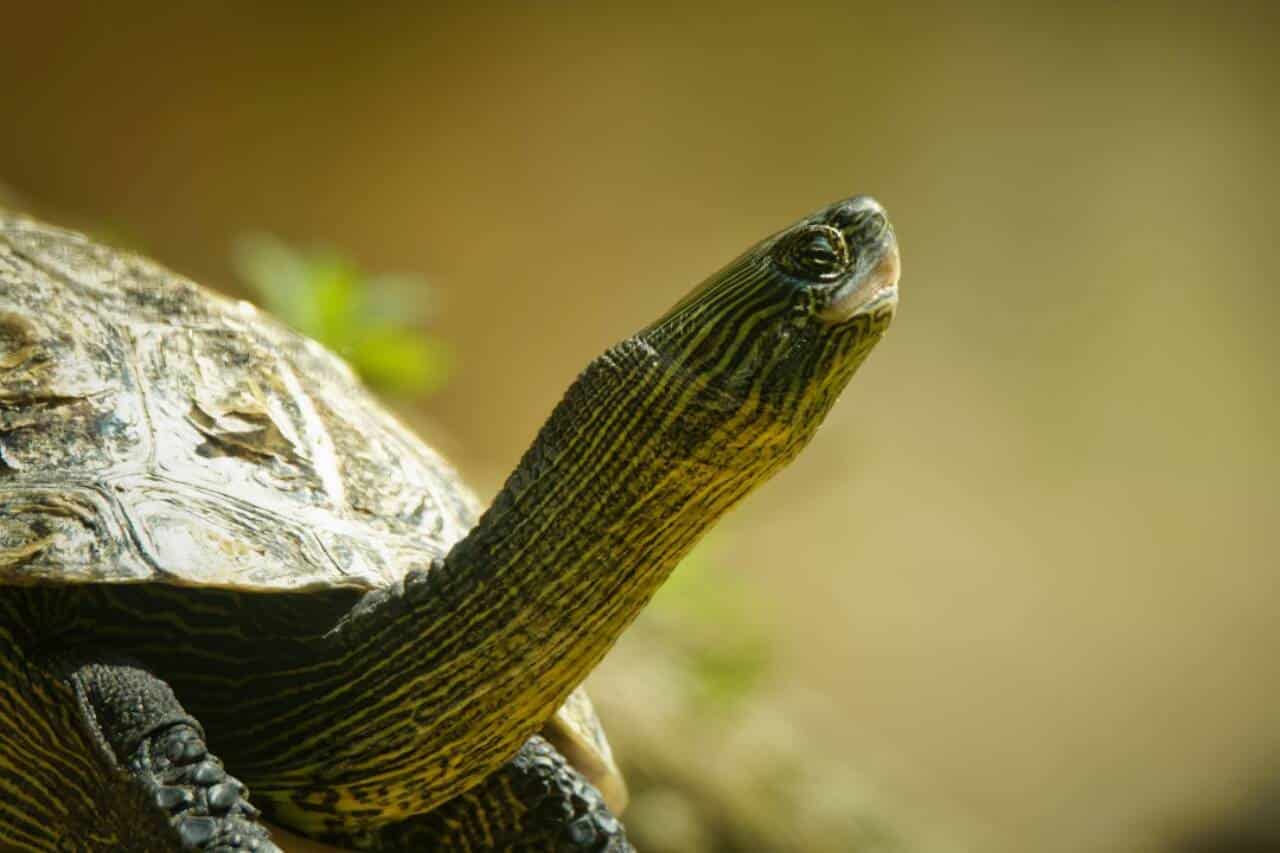
New evidence emerges from in-depth analysis of ancient fossils
The investigation focused on crucial fossil specimens such as Eunotosaurus africanus, a prehistoric reptile notable for its enlarged body and expanded ribs and considered a possible direct ancestor of modern turtles. Recent evaluations of these fossils have revealed cranial and skeletal traits that strongly support the theory of an archosaurian origin for the group.
Impact of the discovery on understanding the evolution of reptiles
These revelations draw a new map for the phylogeny of reptiles, providing unprecedented information about the formation of the shell that protects turtles. Until then, it was believed that the structure derived from dermal osteoderms, but the current study suggests that the carapace had a different origin, linked to the expansion of the rib cage.
Reorganizing turtles’ place on the reptile evolutionary scale has the potential to transform research into biodiversity and adaptation processes. Uncovering its roots contributes to filling important gaps in the narrative of terrestrial life, especially in relation to the Triassic period.





