
Harvard research redefines turtle lineage and brings reptiles closer to large dinosaurs


An investigation led by experts at Harvard University has drastically altered scientific understanding of the evolutionary origin of turtles. The survey demonstrates that these animals have a direct biological link with archosaurs, the same clade that includes crocodiles and large extinct dinosaurs. The finding overturns decades of biological literature that classified chelonians as close relatives of snakes, lizards and tuataras, rewriting a fundamental chapter on the diversification of terrestrial vertebrates.
For a long time, evolutionary biology faced difficulties in positioning turtles on the tree of life due to their highly peculiar anatomy. The absence of temporal openings in the skull of these animals led generations of researchers to group them with more primitive reptiles or the lepidosaur lineage. The new methodological approach resolves this historical impasse by crossing contemporary molecular data with morphological information extracted from recent excavations.
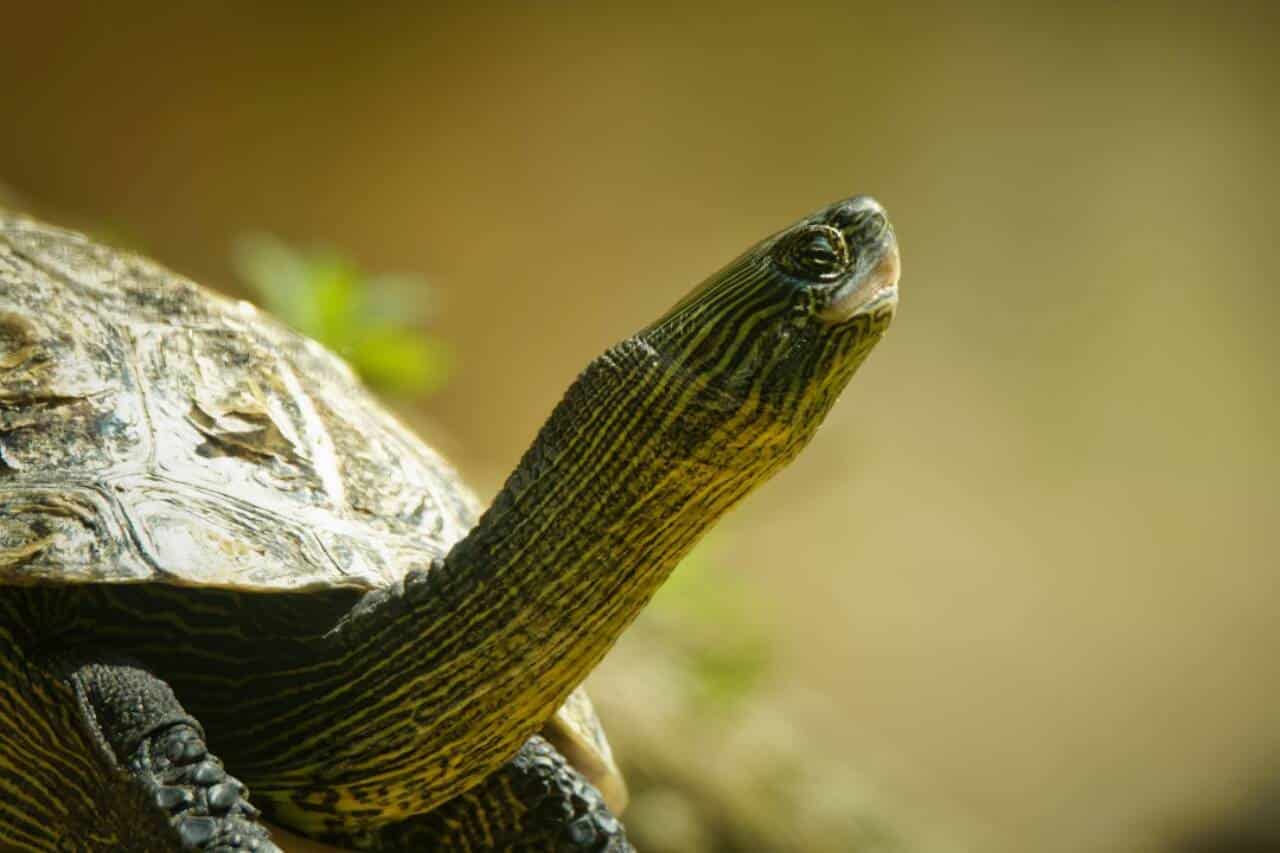
The role of advanced genetics in reclassifying the animal family tree
The team responsible for the study adopted a dual strategy to ensure the accuracy of the results, combining state-of-the-art genomic sequencing with classical analysis of fossil records. Scientists extracted and mapped the DNA of several species of turtles that currently inhabit the planet, creating a robust database. This genetic material was then subjected to molecular comparison software, which looked for similarities and divergences with the genetic code of modern birds, crocodilians and lizards.
The use of molecular clocks has allowed biologists to calculate the exact moment when lineages separated in Earth’s history. Genetic markers indicated a mutation rate shared almost exclusively with the archosaur group. This DNA signature proved to be a much more reliable indicator than simply observing the animals’ physical appearance, eliminating the ambiguities caused by convergent evolution, where unrelated species develop similar characteristics to survive in similar environments.
Ancient fossils yield crucial clues about prehistoric anatomy
While computers processed the DNA sequences, the team’s paleontologists turned their attention to the physical record left in the rocks. The main focus was on Eunotosaurus africanus, a reptile that lived in the region of present-day South Africa approximately 260 million years ago. This extinct animal has an atypical body structure, characterized by an extremely wide trunk and thick ribs that project outwards, forming a rudimentary shield.
High-resolution computed tomography applied to Eunotosaurus skulls and skeletons revealed minute details of the internal bone structure. Examinations showed that the auditory cavities and skull base of this fossil share synapomorphies, that is, unique derived traits, with the earliest ancestors of crocodiles and dinosaurs. The presence of these specific cranial features served as the definitive physical proof needed to validate the results obtained in the genetics laboratory.
How biology explains the formation of the protective shell over the millennia
Confirming the relationship with archosaurs forced science to also review the way in which turtle shells developed. The most accepted hypothesis until the publication of this work argued that the carapace had emerged from the fusion of osteoderms, which are bony plates formed in the animal’s own skin, similar to the natural armor found on the backs of crocodiles and armadillos.
Current data, however, tell a completely different and much more complex biological story. The protective structure originated from a profound modification in the animal’s axial skeleton, driven by needs for excavation and adaptation to the underground environment even before serving as a defense against predators. The evolutionary process of the carapace involved severe anatomical transformations:
- Extreme widening and flattening of the ribs, which began to grow towards the skin instead of curving around the lungs.
- Gradual fusion of these modified ribs with the vertebrae of the spine, creating a rigid bony vault inseparable from the body.
- Complete reorganization of the respiratory system, requiring the development of specific abdominal muscles to inflate the lungs, as the rib cage has lost its ability to expand.
This skeletal transition is considered one of the most radical events in vertebrate biology. The fact that this modification occurred within the archosaur lineage demonstrates surprising evolutionary plasticity in this group, which managed to produce everything from birds adapted to flight to armored reptiles with slow movements.
The archosaur group and the unexpected connection with modern birds
Understanding the magnitude of this discovery requires looking at the definition of the clade of archosaurs, often called the dominant reptiles. This group emerged at the end of the Permian period and completely dominated terrestrial ecosystems during the Mesozoic Era. Today, the only living representatives of this once-vast lineage are crocodilians and birds, which are direct descendants of theropod dinosaurs.
By including turtles in this select group, scientists establish that a garden tortoise has a closer degree of evolutionary kinship with an eagle or an alligator than with an iguana. This phylogenetic reorganization changes the way natural history museums and textbooks structure the display and teaching of zoology, requiring an immediate update of the cladograms used in academic institutions.
Impacts of reclassification on the understanding of terrestrial biodiversity
The repositioning of the turtles fills significant gaps in understanding the Triassic period, a time marked by the recovery of life after the greatest mass extinction in the planet’s history. Knowing exactly where these animals came from helps ecologists map how different lineages survived extreme climate change and the breakup of the supercontinent Pangea.
The results obtained by Harvard University also open new avenues for conservation biology. By understanding the genetic basis that allowed chelonians to develop such extreme adaptations, researchers can better assess how today’s species will respond to modern environmental pressures. The study consolidates the importance of integrating traditional paleontology with DNA sequencing to uncover the mechanisms that shaped life on Earth.





