Renowned coach Jürgen Klopp has indicated he is open to taking charge of the German national team, a move that could redefine the future of football in the country. Following the recent departure of coach Julian Nagelsmann, the German Football Association (DFB) announced that it will formally begin negotiations with Klopp, seeking to explore his availability for the role.
DFB seeks new leader for the national team after Nagelsmann’s departure
The DFB top brass, including President Bernd Neuendorf and Bundesliga boss Hans-Joachim Watzke, are ready to talk to Jürgen Klopp. Official confirmation that the DFB will seek contact with the coach was released in a statement last Friday. The expectation is that this will be the first step towards a new era at the head of the national team.
The federation’s intention is to find a new coach by the beginning of August, allowing the new structures and technical team to be formed quickly. This period is crucial as the new Bundesliga season starts at the end of August, and the team’s first games after the World Cup are scheduled for around three weeks later.
The contractual challenge and Red Bull’s decisive role
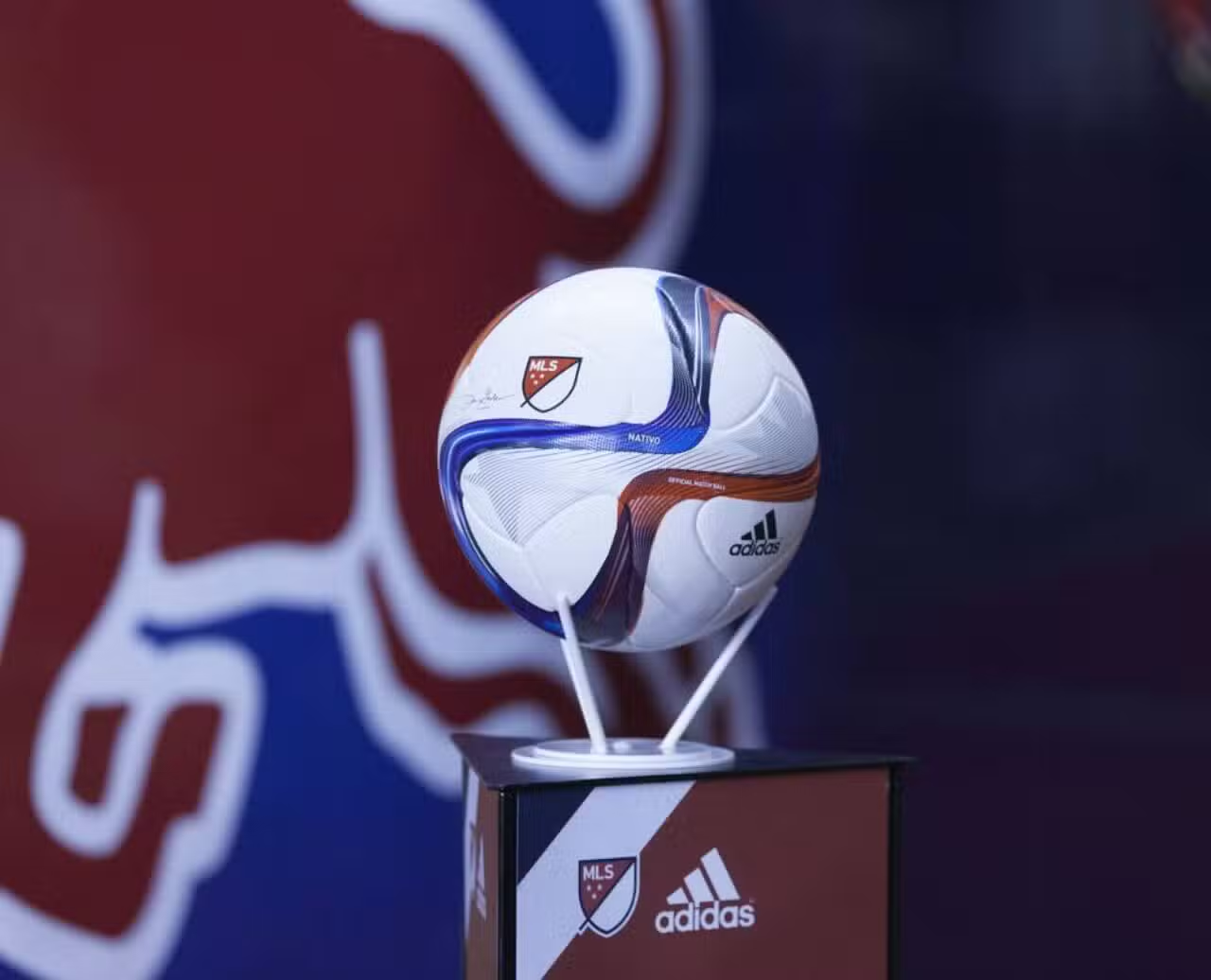
Despite Klopp’s interest and apparent willingness to lead the German national team, a significant hurdle lies in his current contract with Red Bull, which extends until 2029. For the transition to be possible, the DFB will need to obtain the consent and clearance of Red Bull boss Oliver Mintzlaff. Without the company’s approval, the negotiation cannot proceed, making this a crucial point in the conversations.
This situation highlights the complexity of transfers in top-level football, where long-term contracts and corporate interests can directly influence the career paths of prominent figures. The DFB’s ability to navigate this negotiation will be decisive for the success of the contract.
Ambition for the 2028 Euro Cup and team renewal
The prospect of leading Germany into the 2028 European Championship, which will be hosted in the UK, is a huge attraction for Klopp. Having served as manager at Liverpool from 2015 to 2024, he has in-depth knowledge of the British football environment. The DFB sees Klopp’s arrival as an opportunity to implement new methodologies and revitalize the squad, seeking to perform prominently on the international stage.
The leadership change represents a chance to instil a new mentality into the squad, with Klopp known for his intense style of play and his ability to develop talent. The expectation is that he can use his vast experience to shape a competitive group focused on future challenges.
Work schedule and first commitments
The DFB plans for the new coach, ideally Klopp, to start his activities at the beginning of August to prepare the team for the next commitments. An advantage for the future commander would be the extended period of international games, which runs from the end of September to the beginning of October. This would allow the new coach to collect his first impressions on the field in a sequence of important matches.
The team’s first post-World Cup challenges include four Nations League games, offering a robust initial test for the new coaching staff and players. The scheduled matches are against:
- Netherlands
- Serbia
- Greece (twice)
Logistical details and sponsor transition
A notable and unique aspect of this potential transition is Klopp’s relationship with sponsors. Jürgen Klopp, who has been an official Adidas ambassador since 2020, will be able to use the training center in Herzogenaurach, considered a “home pitch”, on two additional occasions with the team. These training and hosting sessions are scheduled for September/October and November.
This period will take place before the German team transitions to Nike as a supplier of sports equipment, with a contract that extends until 2034. The expectation is that a major farewell event will be held with Adidas before the definitive switch to the new brand the following year.