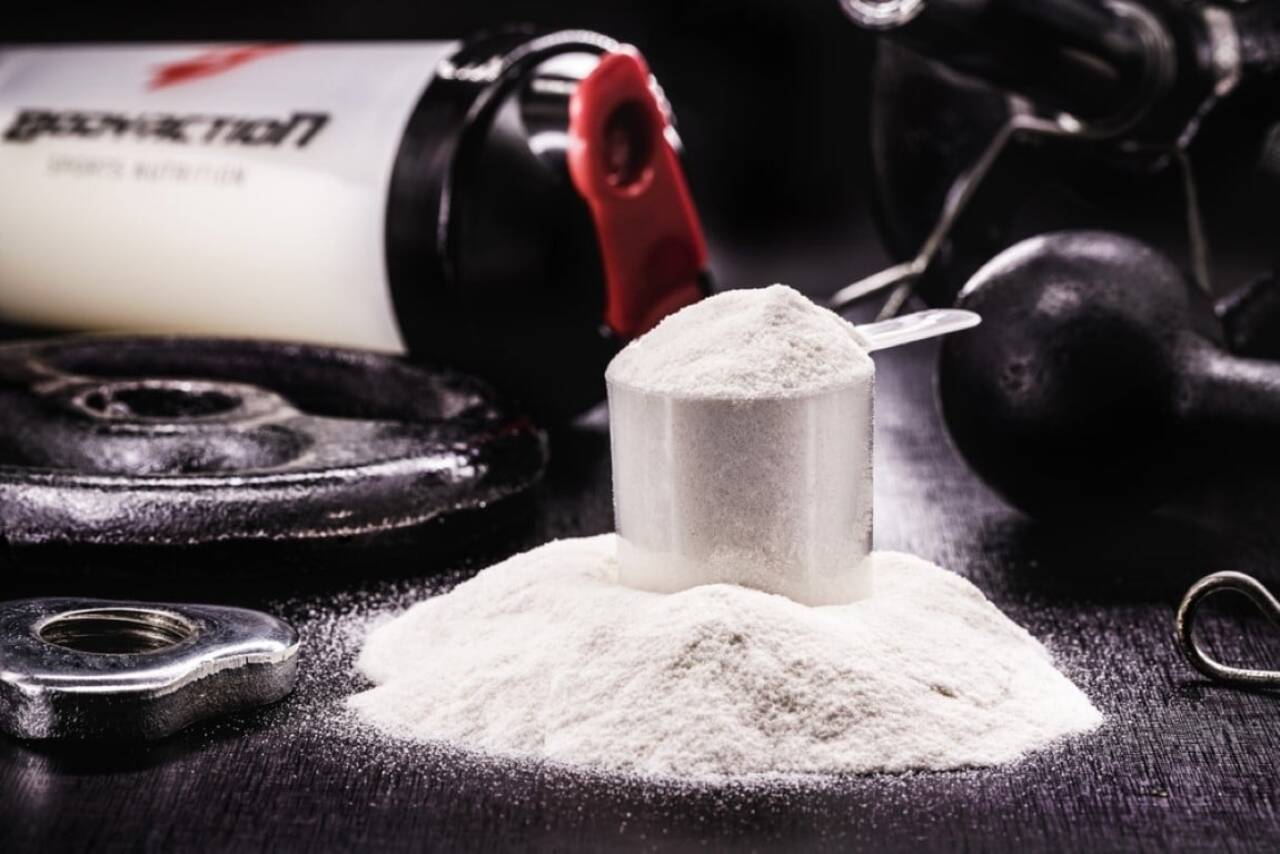
The dizzying increase in the consumption and popularity of protein-rich products, such as supplements and fortified foods, has raised questions about the real need and benefits for the majority of the population. Scientific evidence suggests that much of the “hype” surrounding protein may be driven more by marketing strategies than by widespread physiological demand. This massive campaign induces many consumers to spend unnecessarily and, in some cases, to adopt eating practices that can even be harmful.
The power of marketing driving demand for proteins
The food and supplement industry invests heavily in promoting the image of protein as a miracle macronutrient, essential for gaining muscle mass, losing weight and even general health. Products labeled “high protein” or “extra protein” flood the shelves of supermarkets and pharmacies, creating the perception that ordinary intake is not enough. This narrative often omits crucial information about the ideal amounts and healthiest sources of protein.
Advertising often associates extra protein consumption with an active and healthy lifestyle, reaching everyone from high-performance athletes to people looking for a more balanced diet. Images of sculpted bodies and celebrity testimonials reinforce the idea that supplementation is a quick way to achieve aesthetic or performance goals. However, this association does not always correspond to reality for the average individual, who can obtain everything he needs through his daily diet.
Uncovering the body’s real daily need for protein
The human body actually needs protein to build and repair tissue, produce enzymes and hormones, and support many vital functions. However, the amount needed is, in most cases, less than common sense or marketing suggests. The ideal intake varies depending on age, weight, level of physical activity and specific health conditions.
Many health and nutrition organizations set clear guidelines for protein consumption. For most sedentary adults, the recommendation is generally around 0.8 grams of protein per pound of body weight per day. Athletes and seniors may have slightly higher needs, but these are still achievable through a well-planned diet.
Health risks associated with excessive protein consumption
Despite the popular belief that “the more protein, the better”, excessive consumption can have negative health consequences. The body has a limit to the amount of protein it can efficiently utilize and store. The excess is processed and, in some cases, converted to fat or eliminated.
Among the potential risks of excessive consumption, the following stand out:
- Renal overload:Healthy kidneys generally handle protein well, but a chronically high-protein diet can increase the workload of these organs, especially in people with predisposed or preexisting kidney conditions.
- Nutritional imbalance:Focusing too much on protein can lead to neglecting other important macronutrients, such as complex carbohydrates and healthy fats, as well as essential fiber, vitamins, and minerals present in fruits and vegetables.
- Gastrointestinal problems:Some people may experience digestive discomfort, such as bloating, gas, or constipation, due to high intakes of certain types of protein or supplements.
- Weight Gain:If excess protein is accompanied by a high total caloric intake, it can be converted and stored as body fat, contradicting the goal of many who seek weight loss.
- Calcium loss:Some studies suggest that diets with very high protein intake may negatively impact bone density, although this is an area of ongoing research and the results are still controversial.
Natural sources of protein and the effectiveness of a balanced diet
For the vast majority of people, obtaining an adequate amount of protein through a balanced and varied diet is fully possible and, often, more beneficial. Whole foods not only provide protein, but also a range of other nutrients, fiber and bioactive compounds that work synergistically for health.
Several food sources can meet daily protein needs:
- Animal proteins:Lean meats (chicken, fish, red meat), eggs, dairy products (milk, yogurt, cheese).
- Vegetable proteins:Legumes (beans, lentils, chickpeas), oilseeds (nuts, almonds, walnuts), seeds (chia, linseed, sunflower), whole grains (oats, quinoa, brown rice) and leafy vegetables.
An intelligent combination of these foods throughout the day guarantees a complete supply of essential amino acids, without the need to resort to expensive and often unnecessary supplements. Nutrition professionals can help create a meal plan suited to individual needs.
The financial impact for the consumer and the supplement industry
The frenzy around protein generates a billion-dollar market for the supplement and processed food industry. Consumers, in the search for quick solutions or out of fear of not consuming enough, end up spending a significant portion of their budget on products that often do not offer substantial additional benefits compared to a balanced diet.
The sector’s profitability is driven by the perception of need created by marketing, which often capitalizes on the public’s lack of nutritional information. O custo-benefício dos suplementos proteicos raramente se compara à eficiência e à densidade nutricional de fontes alimentares naturais, tornando a alimentação equilibrada não só mais saudável, mas também mais econômica.