
Safety car at Silverstone reignites debate over F1 rules

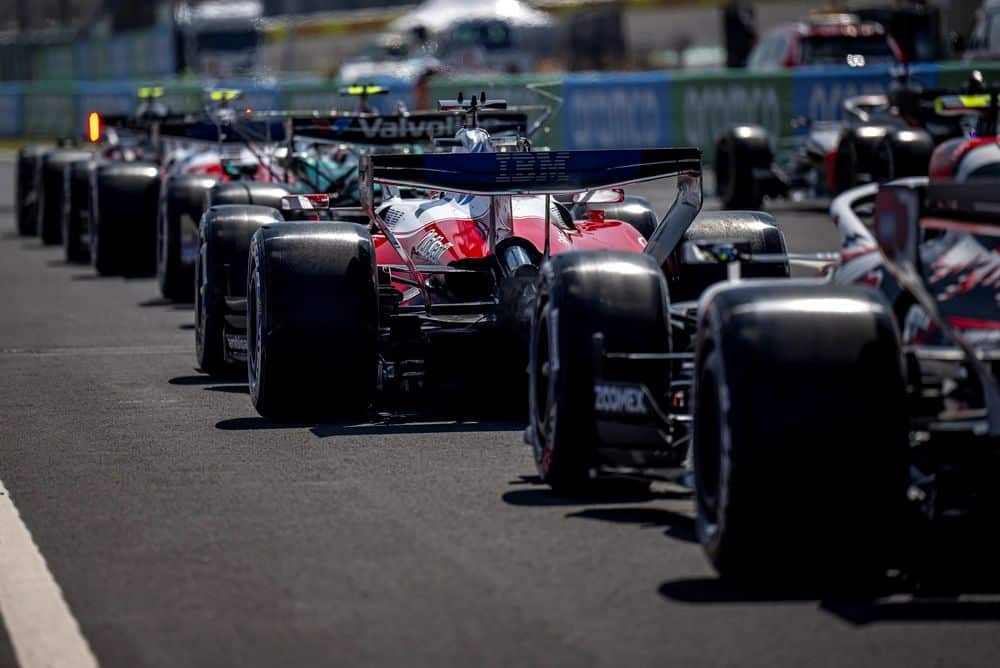
The British Grand Prix ending under the safety car, frustrating a potentially exciting outcome, represented a complex and controversial event. This event reignited old discussions about the sport and raised uncertainties about the future guidelines of the competition.
Charles Leclerc, victorious at Silverstone, naturally expressed his preference for a more exciting consecration than crossing the finish line under the command of the safety car. Embora rara, essa situação raramente é vista como uma conclusão satisfatória para uma prova de automobilismo pelos envolvidos e pelo público.
Last Sunday, the accident involving Max Verstappen at the end of the race activated the safety car, keeping the field aligned for four laps until the flag. The disappointment was compounded by a software failure that signaled the withdrawal of the safety car, creating the expectation of a decisive final lap.
With expectations of a last-lap clash growing among the crowd at the speedway and viewers, the miscommunication added to the disappointment. The group of cars continued behind the safety car, provoking boos at Silverstone and, indeed, in homes around the world.
Recent and impactful history clearly manifests itself in this situation. Five years earlier, another period under safety car, during the decision of the Abu Dhabi season in 2021, culminated in one of the most debated outcomes in Formula 1. In that episode, the then FIA race director, Michael Masi, did not follow the regulations to the letter, which the regulatory body described as a “human error”. Such a widely discussed failure possibly prevented Lewis Hamilton from winning his eighth title. This precedent from 2021, which generated great controversy over the manipulation of the show to the detriment of the strict application of the rules, contextualizes the current rigidity of the FIA. Now, the body is leaning towards the literal application of the regulation, even at the cost of an emotional ending, aiming to restore credibility and impartiality in evidence decisions.
Michael Masi was subsequently terminated from his role. His intention was to prevent the race from ending under a safety car. At Silverstone, and in all races following the Abu Dhabi decision, the rules were applied with complete rigor.
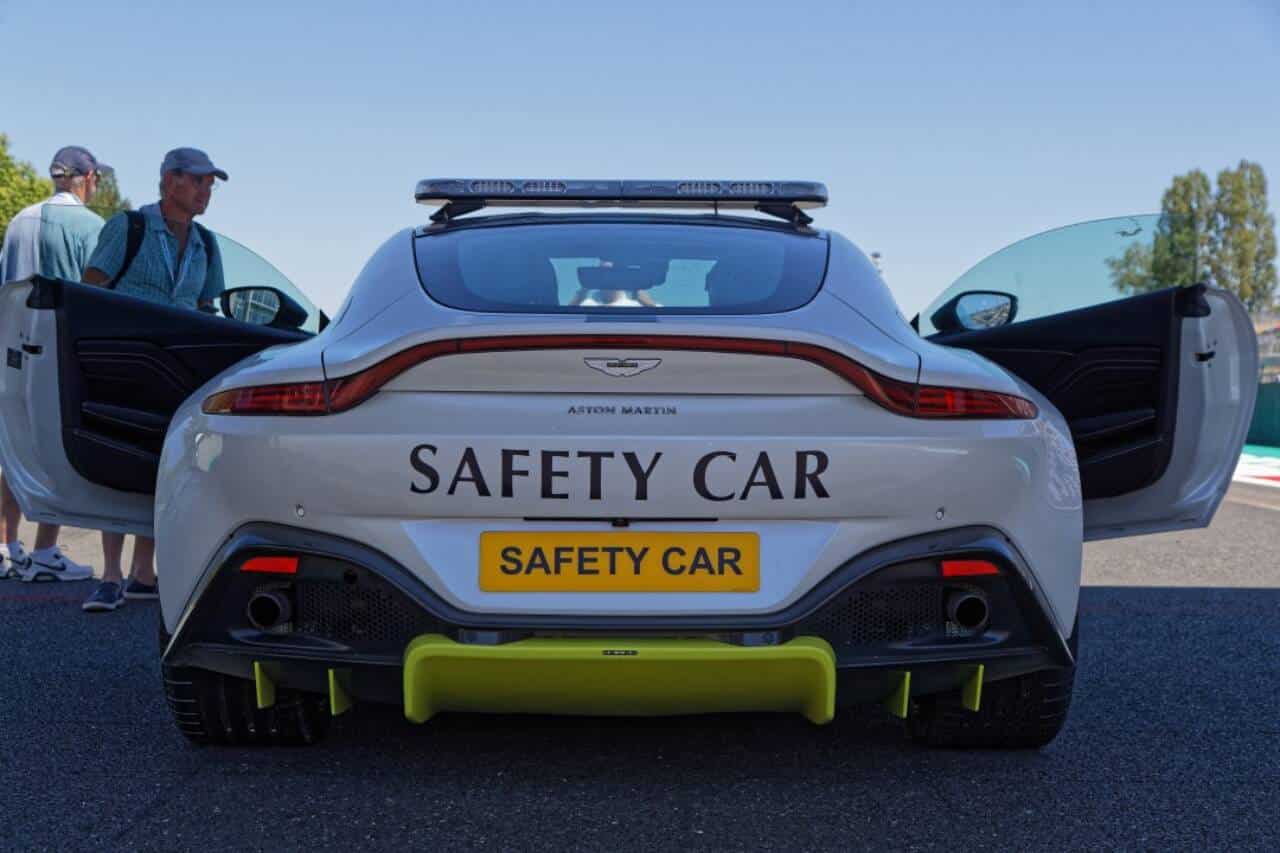
This implied that the process to allow latecomer cars to regain their positions had been started on Sunday. As stipulated by the regulations, one lap needed to be completed after the “recovery procedure” before the competition could be restarted. This lap, unfortunately, marked the end of the race.
Mercedes’ George Russell reaped the benefits of this decision. He managed to maintain his second position, avoiding pressure from Lewis Hamilton, who was on new tires and ready for an intense fight on the final lap.
Toto Wolff, head of George Russell’s Mercedes team, rightly noted that if the same rules had been followed in 2021, the result would have been different. “I would have preferred this to happen in 2021, that was more important,” he declared.
“However, it is positive that the regulations were adhered to. Sometimes this does not result in an exciting outcome. Overall, from a spectacle perspective, everyone would have liked to have seen Lewis on soft tires competing against us, perhaps competing for position with Leclerc. But this is a sport. Entertainment follows sport, not the other way around. So it is good that the FIA has made this determination,” Wolff added.
Toto Wolff, true to his style, presented thoughtful and logical arguments. It is preferable for justice to prevail and for all competitors to know that the playing field is level, but the British Grand Prix also brings up discussion about how Formula 1 will approach races that end unsatisfactorily for the public.
The rule that allows cars that are one lap behind to return to the leader’s lap during the presence of the safety car is a time-consuming procedure and is once again under debate.
Drivers are allowed to free themselves from the delay, avoiding being placed in unfavorable positions among other competitors who would otherwise have to overtake them on a restart. However, this action takes considerable time, as it requires them to accelerate and then reposition themselves at the end of the field.
An alternative option would be to allow stragglers to backtrack just a little, remaining behind vehicles that remain on the same lap as the leader. This would allow for a more agile resumption of the race, especially in its final stages.
Similarly, although no one wants a race with excessive interruptions, another possible adaptation would be the introduction of a specific rule for the final moments, which could foresee a red flag followed by a restart. This would ensure a proper finish, allowing all drivers to change their tires and thus providing an exciting finish for the spectators. However, this proposal carries numerous positive and negative points; If interpreted as an artificial way of restarting the scene – like the hydration breaks in F1 – it could not be well received by many, especially by the sport’s most purist fans.
Despite everything, the sense of anticlimax at Silverstone was palpable. The audience in attendance – a record number of 564,000 people sold out over the weekend, surpassing the 520,000 at the 1995 Australian GP – enjoyed a grand event, but ended the experience with frustration. They were denied the climax of a spectacle they had eagerly awaited and invested a considerable sum in.
The solutions to these impasses are not simple; These are complex issues that would require extensive debates. However, dissatisfaction prevailed among fans, who felt disheartened and disappointed with what should have been a thrilling climactic moment.




