
Ancient inscriptions in Aramaic, the language spoken by Jesus, reveal an unprecedented chapter in the history of Christianity

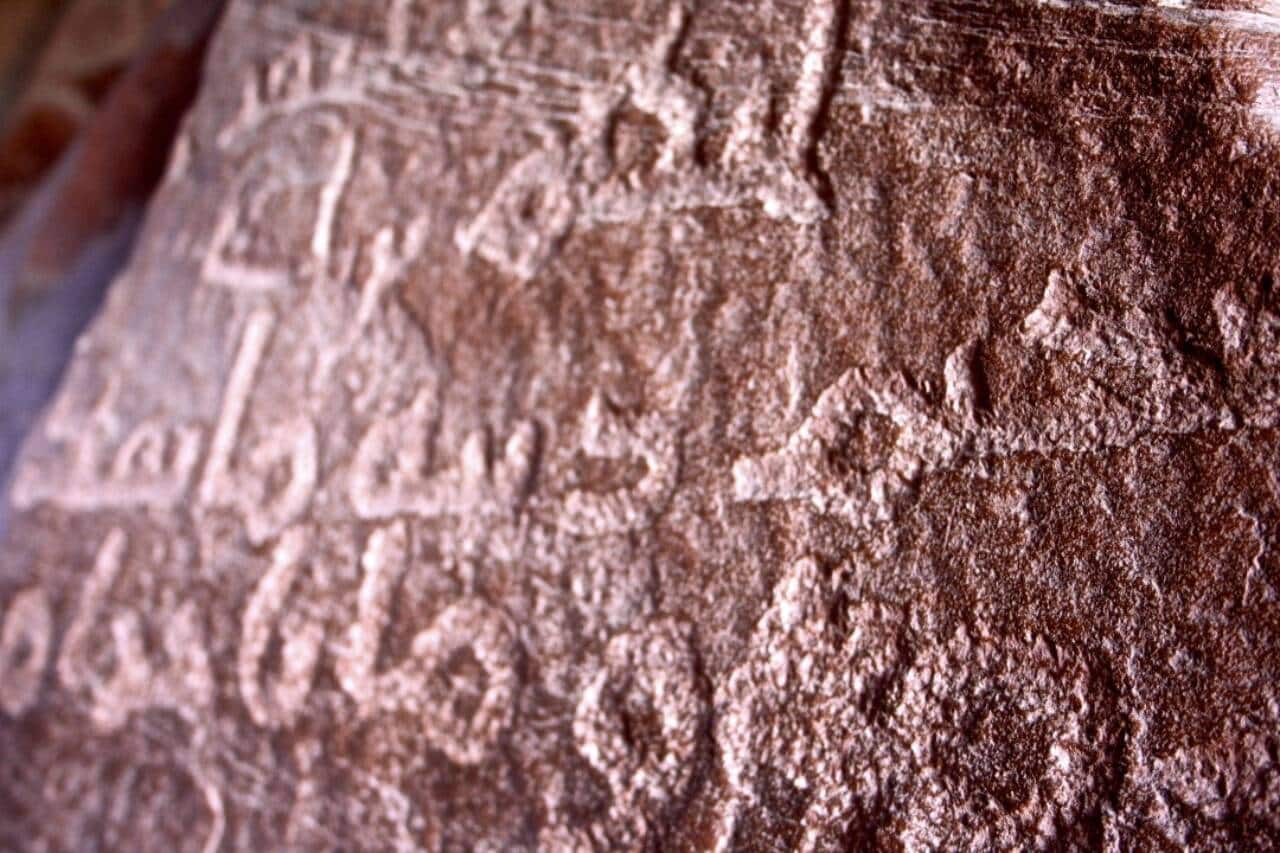
Ancient texts recently found in southeastern Turkey, dating from a period close to the crucifixion of Jesus Christ, bring to light new perspectives on the early development of Christianity in Europe, according to researchers from Mardin Artuklu University.
The writings were located in an underground building that served as a temple to the god Mithras, a deity revered by Mithraism. This was an exclusively masculine belief, with great support among the military and merchants of the Roman Empire.
The sanctuary, located inside Zerzevan Castle, had four bases in its structure intended for sacrifices, as well as a basin that was possibly used to collect the blood of sacrificed bulls, and three recesses in the walls, essential elements for the secret rituals practiced.
It is estimated that these inscriptions were created approximately three centuries after the death of Christ, in a crucial period when Christianity began its journey to consolidate itself as the main faith of the Roman Empire. In this context, Mithraism was considered by Roman authorities to be a “competing belief”, which resulted in the abandonment, closure or conversion of many of its temples into churches, a historical process now evidenced by these finds.
The deciphering of the ancient inscriptions was carried out by Mehmet Sait Toprak, director of the Department of Syriac Language and Literature, in collaboration with his team. The group managed to interpret the Aramaic script, the same language used by Jesus, through a thorough analysis of the style of letters, the vocabulary repertoire and the estimated historical period of its creation.
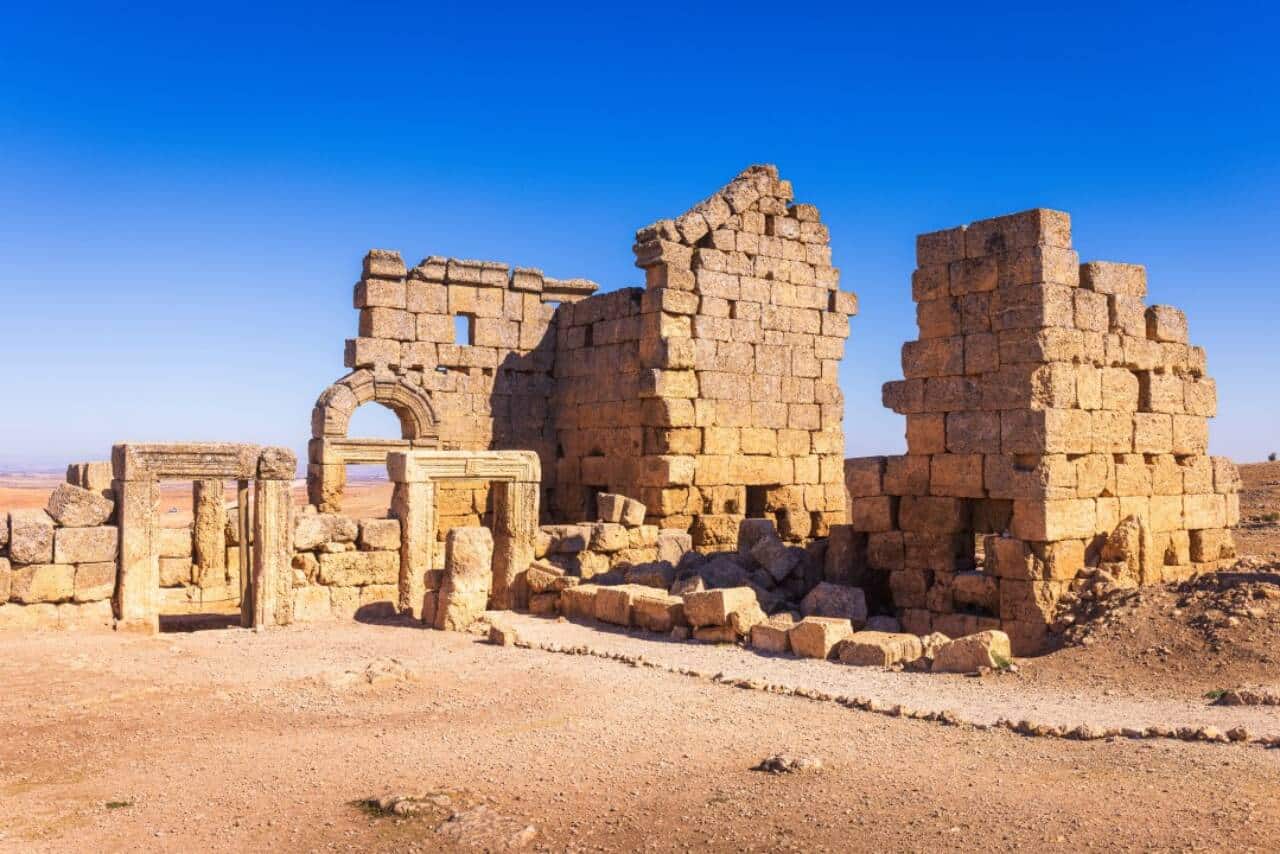
The content of the writings alludes to the Holy Cross and describes God as an entity that provides order, renewal and love, while also designating Mithras as the “Invincible God of the Sun”. For experts, this revelation strengthens the hypothesis that the original place of worship was later adapted and used as a church by the first followers of Christianity.
Approximately 1,900 years old at the time of its discovery in 2017, the temple was built by excavating the bedrock, located underground in the eastern wall of the structure. It had columns carved directly into the rock itself and an imposing central niche.





