
Discover the hidden dangers of soy sauce for blood pressure and how to consume it safely

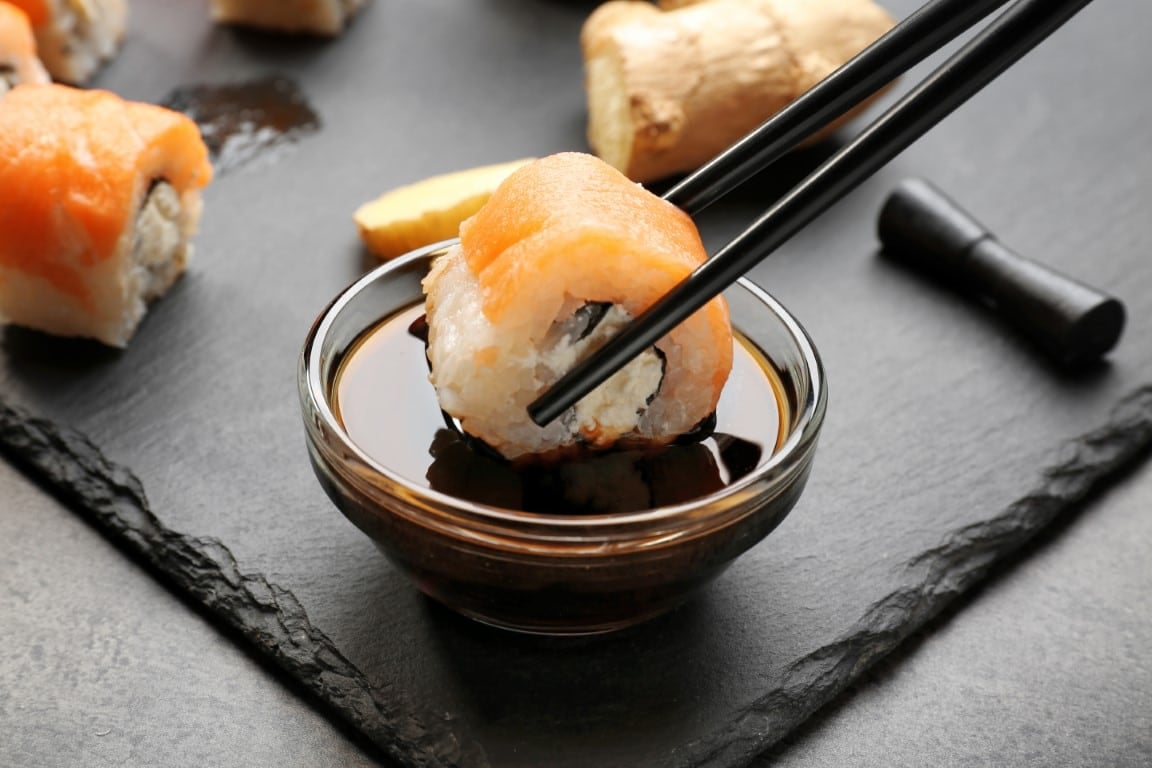
Oriental cuisine has consolidated its place in Brazilians’ food routine over the last few decades, transforming exotic ingredients into basic supermarket items. The traditional dark liquid, previously restricted to restaurants specializing in sushi and sashimi, began to appear on the shelves of domestic pantries with impressive regularity. Many people have adopted the product to marinate meat, sauté vegetables or simply season everyday salads in search of a different flavor. The biggest obstacle to this new habit lies in the chemical composition of the liquid, which contains alarming levels of a mineral directly linked to the development of hypertension.
Historical origins and the manufacturing process of Asian seasoning
The invention of this condiment dates back to ancient China, where the need to preserve food for long periods required very aggressive preservation techniques. The original creators developed a mixture based on the fermentation of soybeans, combined with a significant amount of brine to prevent the proliferation of bacteria. This ancient technique guaranteed the durability of provisions long before the advent of modern refrigeration. The contemporary food industry has maintained the essence of this ancient recipe, which explains the massive and non-negotiable presence of sodium chloride in the formula that reaches our tables.
Direct impact of sodium on consumers’ cardiovascular health
Doctor Daniel Magnoni, a specialist in cardiology and nutrition at Hospital do Coração in São Paulo, warns of the frightening numbers found on bottle labels. Just one tablespoon, equivalent to fifteen milliliters, delivers more than nine hundred milligrams of sodium directly to the body. Those who opt for the version marketed as light or light also do not escape the danger, as this variant still contains around seven hundred milligrams in the same portion. Continuous consumption of these dosages strains blood vessels, retains fluids in the body and overloads the daily work of the heart muscle.
When we analyze a larger volume, the data becomes even more worrying for the public health system. A cup containing one hundred milliliters of the dark liquid can contain more than five grams of the pure mineral, a concentration considered toxic for vascular balance. The excess of this substance in the bloodstream causes an immediate increase in the volume of circulating blood, increasing the pressure exerted against the arterial walls. This silent physiological mechanism is mainly responsible for severe long-term complications, ranging from acute heart attacks to strokes.
Strict limits set by global health authorities
The World Health Organization has very clear and restrictive guidelines regarding the safe daily intake of this chemical element for the adult population. The maximum limit stipulated by the international entity is two grams of sodium every twenty-four hours, which corresponds to exactly two thousand milligrams. For practical comparison purposes with homemade seasoning, this is equivalent to a limit of five grams of conventional table salt per day. The mathematics of modern consumption shows that Western habits easily overcome this biological protection barrier.
A simple operation is enough to understand the seriousness of the indiscriminate use of soy-based condiments in meals. The individual who uses three tablespoons, totaling forty-five milliliters, already consumes an amount greater than the entire daily limit recommended by the global health agency. Any other food eaten throughout that day will cause the body to operate in a state of dangerous mineral overload. For this reason, experts strongly discourage the use of the product as a substitute for salt when preparing salads and homemade dishes.
Smart strategies to enjoy oriental dishes without bloating
The environment of Japanese restaurants is often the perfect setting for overeating, resulting in immediate and very uncomfortable physical symptoms. The cardiologist at Hospital do Coração explains that the feeling of extreme thirst and body swelling after these meals are the body’s direct response to temporary sodium poisoning. The common habit of completely immersing pieces of fish and rice in small ceramic trays saturates the food with the salty liquid. The porous structure of rice, in particular, acts like a sponge that absorbs massive and unnecessary amounts of seasoning.
To overcome this problem without giving up the gastronomic experience, the medical profession suggests a simple change in behavior at the table. The ideal tactic is to drop just a few drops of the dark liquid into a container and mix them vigorously with the juice of a freshly squeezed lemon. Instead of dipping the food into the bowl, the customer should use their own chopsticks or a slice of ginger to lightly brush the citrus mixture over the fish. This technique guarantees the umami flavor characteristic of Asian cuisine without compromising the functioning of the cardiovascular system.
Other industrialized condiments that threaten the daily diet
The danger of hypertension is not restricted to dishes of Asian origin, hiding in several extremely common items on supermarket shelves. Carefully reading the nutritional tables printed on packaging is the only effective tool for consumers to protect their own health. The São Paulo nutritionist made a point of mapping other ultra-processed products that work like real high pressure pumps in Brazilian kitchens. The list of everyday villains requires extra attention when planning the week’s purchases:
- Concentrated broth cubes and sachets: Very popular in the preparation of soups and stews, these meat or chicken flavor enhancers are extremely dangerous. Depending on the manufacturer, a single unit carries around a thousand milligrams of sodium. Using two tablets in a pan already exhausts the maximum quota that a person should consume in an entire day.
- Ready-made instant noodle seasonings: The flavoring powder that comes with popular pre-cooked noodle blocks poses a severe risk to vascular health. A single envelope contains, on average, one thousand and four hundred milligrams of the mineral. An individual who consumes two portions of this product exceeds the safety ceiling established by international bodies by fifty percent.
- Traditional diner sauces: Mustard and ketchup, inseparable companions of sandwiches and portions of fries, also require strict moderation. Each tablespoon of these side dishes delivers between one hundred and twenty and one hundred and seventy milligrams of the substance. The heavy and continuous use of these creams silently increases the daily load without the consumer noticing the damage.
Raising awareness about the chemical composition of processed foods represents the first fundamental step towards a longer, drug-free life. Replacing artificial products with fresh herbs, natural spices, garlic, onion and citrus juices transforms the quality of meals without sacrificing the pleasure of taste. Strict monitoring of what goes into the pantry prevents silent chronic diseases from taking hold in the body over the years, ensuring aging with much more vitality.





