
Cave discoveries in Türkiye suggest deep cultural ties between Neanderthals and humans

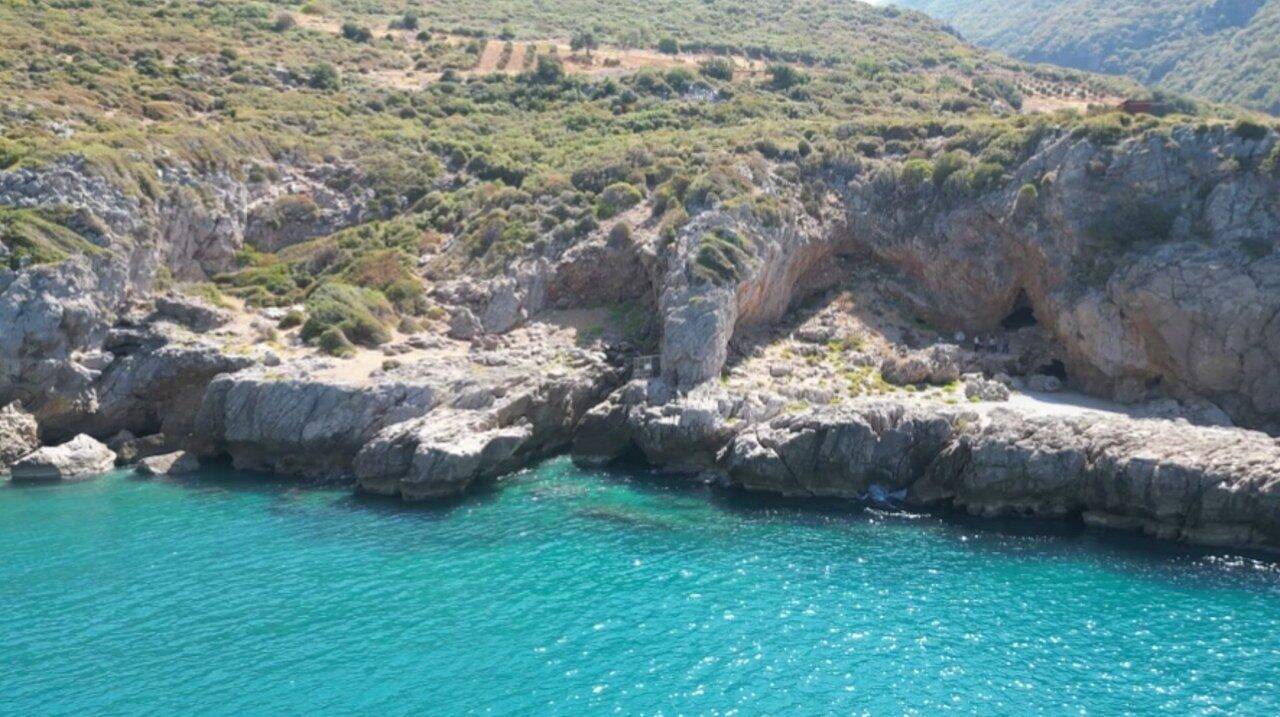
New evidence reveals that the relationship between human ancestors and Neanderthals may have been more complex than previously thought, going beyond mere sporadic encounters. While ancient DNA already indicated that the two species interbred, the nature of these contacts during the Stone Age, tens of thousands of years ago, has always been a mystery to researchers.
Archaeological finds in a cave in present-day Türkiye indicate that these groups not only shared the same territory, but may also have exchanged and adopted cultural traditions. They produced similar tools and collected the same type of shells, suggesting significant social interaction.
For İsmail Baykara, lead author of the study and professor of archeology at Gaziantep University, in Turkey, the results indicate that Neanderthals and *Homo sapiens* shared more than just the same environment. “Although we cannot prove direct contact, the remarkable continuity in beadshell technology, hunting practices, and transportation is consistent with the idea that these populations interacted and shared cultural traditions over time,” Baykara explained in a statement about the research published recently in the journal PNAS.
Archaeologists have known about the Üçağızlı II cave, located in southern Turkey, for some time, but systematic excavations only began in 2020, under the coordination of Baykara. The work revealed the historical richness of the place.
Fossils found in the cave, including four isolated teeth and a jaw fragment with two teeth, indicate the presence of Neanderthals between 77,000 and 59,000 years ago. Later, *Homo sapiens* occupied the same location, between 59,000 and 47,000 years before the present. These dates were established through analysis of the layers of sediment that surrounded the remains.
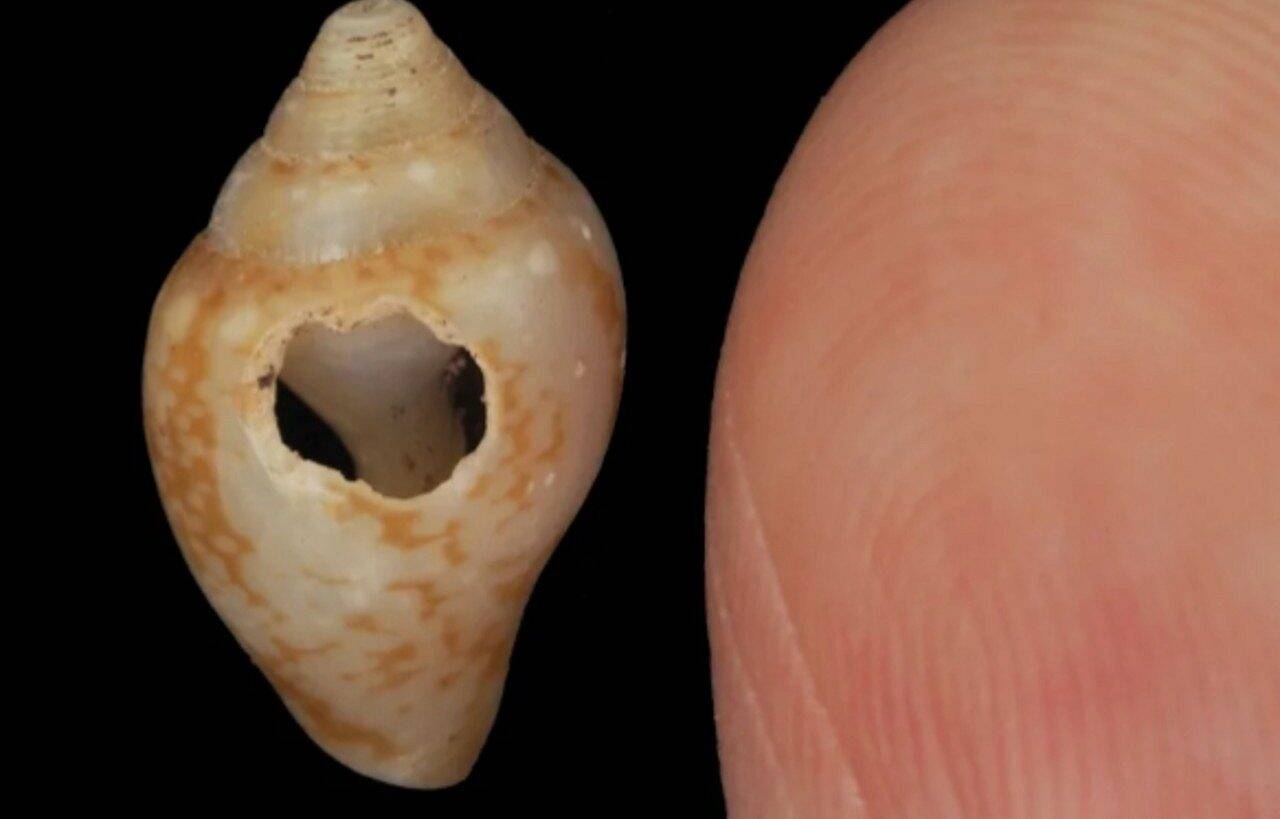
During the period of occupation, both species manufactured similar flint tools in a style known as Mousterian, named after a rock shelter in France where these artifacts were first identified. Furthermore, they hunted the same animals, such as wild goats, deer and wild boar. One of the most significant surprises of the research was the discovery of shells of the mollusk species *Columbella rustica* in layers associated with both Neanderthals and *Homo sapiens*, despite being too small to serve as food.
Some of the shells of *C. rustica* had perforations, which suggests an ornamental use, but the study authors classified them as “manuports” – objects that were intentionally transported from their places of origin by humans. Previously, this type of shell was associated exclusively with *Homo sapiens*, but the new discovery strongly suggests that Neanderthals also valued these artifacts, adding an extra layer of understanding about their cultural sensibilities.
Naoki Morimoto, a researcher at Kyoto University in Japan and co-author of the study, emphasized the intentionality behind these findings. “Neanderthals deliberately collected and transported this shell from the Mediterranean coast, despite the availability of many other shell species, and modern humans at the site also collected *Columbella rustica*,” he said.
The complex routes of human expansion out of Africa
Üçağızlı II Cave is one of the few archaeological sites dating back to a crucial but little understood period in human history. It is a place that offers a rare window into the dynamics of interactions between different human species.
About 60,000 years ago, a vast migration of our species, *Homo sapiens*, from Africa eventually led to modern humans settling in every corner of the planet. Pioneering groups had already left the continent long before. During this great wave of migration, modern humans are believed to have encountered and interbred with Neanderthals in regions such as present-day Türkiye.
However, this hypothesis is largely based on population patterns modeled from DNA sequences, and direct archaeological evidence for this critical period in the Levant, which today encompasses the Middle East and Turkey, is still scarce and fragmentary. The new study highlights that it is not clear whether the *Homo sapiens* who took shelter in the cave were part of this great migratory wave or were descendants of previous pioneering groups.
Ludovic Slimak, an archaeologist at the French National Center for Scientific Research (CNRS) and author of the book “The Last Neanderthal: How Humans Die”, classified the discovery of the cave as “very important”. According to him, the site demonstrates that modern humans did not necessarily replace Neanderthals with a superior culture, as previously thought.
“For me, the most important point is not simply that Neanderthals and modern humans used similar tools or collected similar shells,” Slimak noted. He added that “what is much more interesting here is that, within the chronological period of the *Homo sapiens* layer, modern humans appear to be involved in a deeply local and well-rooted Mousterian tradition.”
Slimak also highlighted that the site offers a fascinating contrast with Grotte Mandrin, an archaeological site in southern France where Neanderthals and *Homo sapiens* also lived. Slimak led excavations at this other site, which reveal a different dynamic to that observed in Türkiye.
At Grotte Mandrin, the *Homo sapiens*, who occupied the rock shelter at a period roughly similar to their counterparts in the Turkish cave, used very different stone tools, perhaps even archery technology. These artifacts were more finely crafted compared to the more robust Mousterian tools found in the Neanderthal layer at Grotte Mandrin and employed by both species at Üçağızlı II.
“The two places don’t tell the same story”, summarized Slimak. “Together, they suggest a much more complex picture, with multiple populations of *Homo sapiens*, multiple cultural trajectories and, probably, multiple waves of expansion, interaction, disappearance and replacement.”





