
Innovative blood test detects uneven aging of organs and predicts future disease risks


A new blood test, developed by scientists, is capable of revealing the speed at which each organ in the human body ages. This tool offers the possibility of early identification of risks of various diseases and, potentially, influencing longevity.
The traditional method of counting years of life does not cover the complexity of body aging. People of the same chronological age can present very different physical and health conditions. Now, researchers suggest that this variation is directly related to the individual aging rate of each organ.
Results from a recent study, led by scientists at Stanford Medicine, indicate that a simple blood test can estimate the biological age of essential organs. The findings highlight that aging does not occur uniformly throughout the body. Instead, different parts of the body age at varying rates, and these differences can indicate predisposition to certain diseases and even influence life expectancy.
Tony Wyss-Coray, professor of neurology at Stanford and leader of the study, explained that the team created a blood indicator for the age of organs. He states that, with this metric, it is possible to estimate the age of an organ and predict the probability of developing a specific disease related to it within a decade.
The innovative method for determining biological age
For a long time, health professionals have used chronological age as a basis for estimating health risks. However, this number does not always reflect the true functioning of the body. Biological age, on the other hand, offers a more accurate measurement, showing how tissues and organs transform over time.
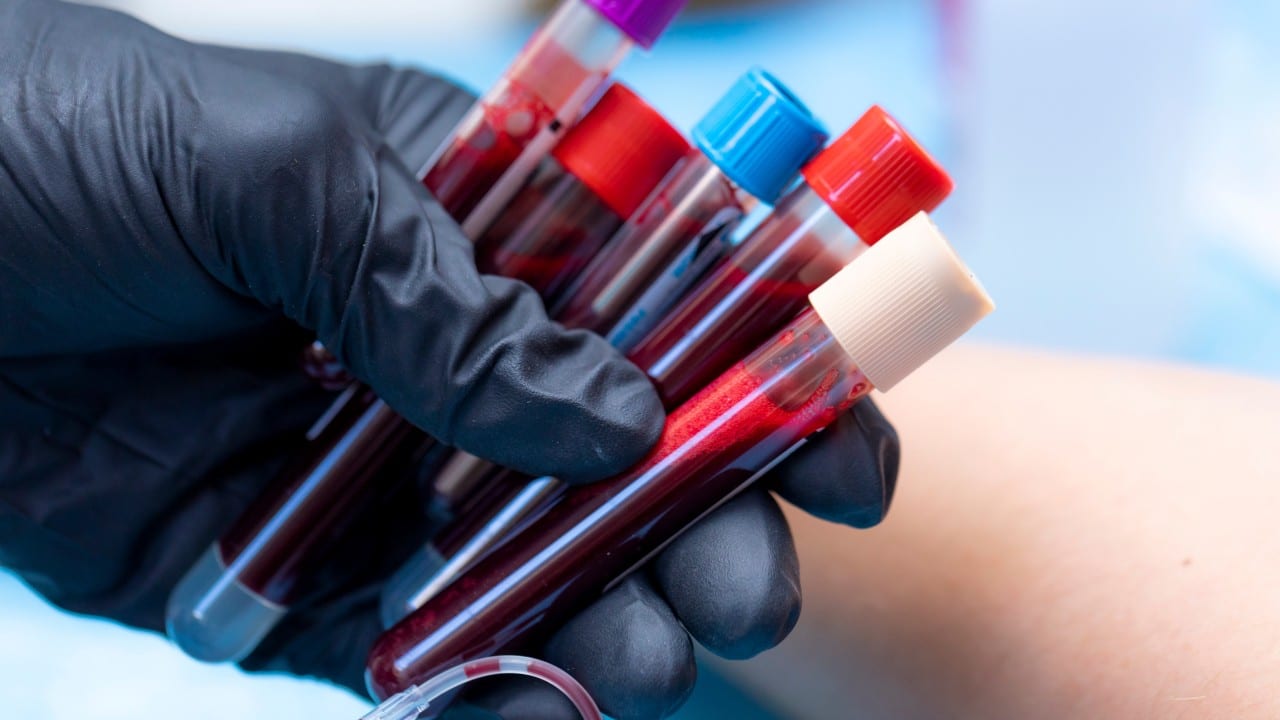
To further this investigation, researchers analyzed blood samples from 44,498 adults, aged between 40 and 70 years. All participants were part of the UK Biobank, an extensive health data tracking project.
The team examined about 3,000 proteins in each sample. Many of these proteins originate in specific organs, such as the heart, brain or liver. By analyzing the patterns of these proteins, scientists were able to develop a detailed profile for each organ.
Using advanced computer models, each person’s protein levels were compared with expected values for their age. This made it possible to estimate whether a given organ was aging at a faster or slower pace than expected.
Analysis of eleven organs reveals distinct aging rhythms
The researchers focused on 11 organ systems, including the brain, heart, lungs, kidneys and the immune system. Each of these organs received an individual biological age score.
The results showed that the aging process varies considerably throughout the body. Approximately one-third of participants had at least one organ aging at a rate significantly faster or slower than average. About a quarter of the individuals had multiple organs with extreme deviations.
An organ was classified as “extremely aged” if its deviation from the norm was notable. Likewise, others were considered “extremely young” if their biological age was lower than expected.
These variations were not merely curiosities; they had a profound impact. The findings revealed hidden risks that conventional health assessments often missed.
The crucial importance of the brain in human longevity
Among all the organs evaluated in the study, the brain demonstrated the most robust connection to lifespan. The researchers concluded that brain age plays a central role in determining longevity.
“The brain is the guardian of longevity,” said Wyss-Coray. “Having an aged brain increases the likelihood of mortality. On the other hand, a young brain tends to be associated with a longer life.”
Individuals with brains classified as extremely aged faced a considerably higher risk of death over time, with a 182% increase in approximately 15 years. In contrast, those with younger brains had their risk reduced by 40%.
The brain has also shown a strong link to Alzheimer’s disease. People with older brain profiles were more than three times more likely to develop the disease. The difference in risk became even more evident when compared to individuals with younger brains.
The anticipation of illnesses through the age of the organs
The study went beyond just measuring aging, it was also able to predict future health outcomes.
Scientists monitored participants for up to 17 years, assessing how organ age correlated with conditions such as heart failure, lung disease, diabetes and neurological disorders.
The results revealed clear and consistent patterns. A heart with an older biological age increased the risk of heart diseases such as atrial fibrillation. Aged lungs predicted greater odds of chronic respiratory diseases. Older kidneys indicated an increased likelihood of kidney failure.
The biological age of each organ is strongly linked to the diseases associated with it, suggesting that the test can act as an early warning system.
In certain cases, the predictive power was remarkable. For example, an aging brain significantly increased the likelihood of developing Alzheimer’s disease within a decade.
In-depth investigation into cellular aging markers
In a parallel study, the researchers expanded on the idea, investigating not just the organs but also the individual cell types within them.
This investigation revealed that aging also varies at the cellular level. Some cells can age more quickly than others, even within the same organ.
One important discovery involved astrocytes, support cells in the brain. People at high genetic risk for Alzheimer’s often had older astrocytes. However, those with younger astrocytes demonstrated a much lower risk, even with genetic predisposition.
This finding suggests that biological aging can modify a person’s genetic risk, helping to explain why some people develop diseases while others do not.
Another revelation concerns muscle cells. Individuals with aged muscle cell profiles were found to have a much higher risk of amyotrophic lateral sclerosis (ALS). This increased risk could be detected years before symptoms of the disease appeared.
The new paradigm of medicine focused on disease prevention
The ability to measure the age of organs could revolutionize the way medicine approaches diseases. Instead of waiting for symptoms to appear, doctors will be able to intervene much sooner.
“Ideally, this is the future of medicine,” Wyss-Coray said. “Today, you go to the doctor because you feel some pain, and he investigates what’s wrong.”
Researchers aim to shift the focus from reactive treatment to preventative care. By identifying aging patterns early, doctors could intervene before damage becomes severe.
This approach could also be valuable for testing new treatments. Scientists could monitor how therapies affect the biological age of organs, rather than waiting years for traditional clinical results.
The influence of lifestyle on organ aging processes
The study also indicates that lifestyle can have a significant impact on the aging process of organs. Although the research has focused on biological markers, it opens the door for further investigation.
Factors such as diet, physical exercise and quality of sleep can influence different organs in different ways. Future studies could explore how these choices shape each individual’s biological age.
Researchers believe that combining lifestyle data with organ age measurements can reveal valuable information. This combined analysis can demonstrate how daily habits contribute to long-term health.
The obstacles and future of research on aging organs
Despite being extremely promising, the test is still in the research phase. Scientists need to improve the technology and confirm the results to a wider audience.
Wyss-Coray and her team plan to prioritize vital organs like the brain, heart and immune system in their next steps. Focusing on these systems can improve test accuracy and reduce test application costs.
The goal is for the test to be widely available in the coming years. As technology advances, it could become an integral part of routine healthcare.
Understanding aging in a more particular way
The findings challenge the perception that aging is a single, homogeneous process. Instead, it manifests as a set of overlapping transformations throughout the body.
While some organs may remain robust, others may deteriorate more quickly. These differences influence health outcomes in ways that are only now beginning to be understood.
For many, the research offers a new perspective. Aging is not just about the years lived, but about the transformations that occur internally in the body.
The tangible impact of new research on health
This research could revolutionize the way doctors identify and treat diseases. A blood test that quantifies the age of organs has the potential to enable early diagnosis of conditions such as Alzheimer’s, heart failure and kidney disease. Detecting risk years in advance gives patients and doctors valuable time to implement preventative measures.
The results also support a shift toward preventive medicine. Instead of treating the disease after symptoms appear, care could focus on maintaining organ health before irreversible damage occurs. This approach has the potential to lower healthcare costs and improve quality of life.
For scientists, the study offers a powerful new tool. It allows researchers to evaluate how medications, diets and lifestyle changes impact specific organs, accelerating the development of treatments and optimizing their effectiveness. In the long term, the ability to measure biological age could lead to highly personalized healthcare, where treatments are tailored to each person’s unique aging profile, improving outcomes and avoiding unnecessary interventions.





