New Meta smart glasses arrive with renewed design, but reignite concerns about privacy


Meta advances in the popularization of smart glasses, but this greater acceptance is accompanied by growing debates about privacy and consent in relation to the devices’ recording capabilities. The company seeks to integrate technology into everyday life, making it visually discreet, which, ironically, intensifies ethical discussions.
Meta’s potential to normalize the use of smart glasses could be a milestone for wearable technology. However, this same “normality” raises the central question about the privacy implications in public spaces and social interactions.
On June 23, Meta introduced its latest line of artificial intelligence glasses, Meta Glasses, with prices starting at US$299. The collection includes three frame models: the Meta Adventurer, the Meta Fury and the Meta Glasses by Kylie, a special collaboration with influencer Kylie Jenner.
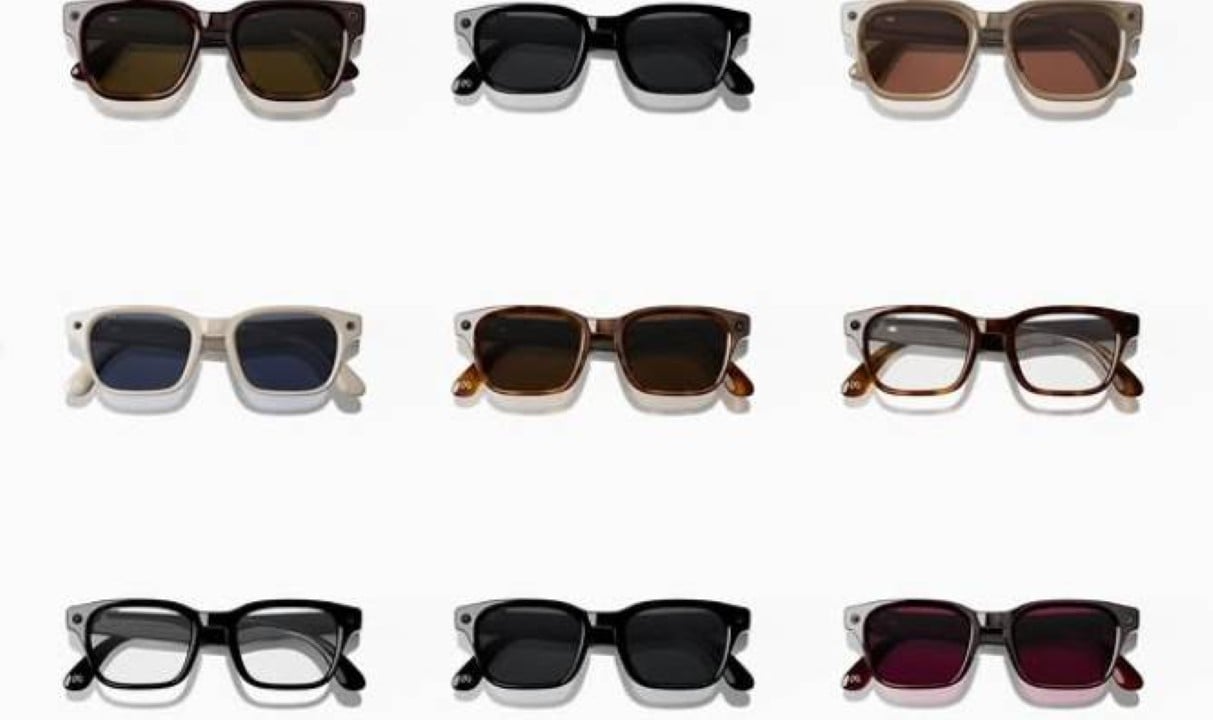
These frames, following the line of previous models developed for Ray-Ban and Oakley, were designed to offer artificial intelligence in a discreet and elegant way. The glasses allow you to take photos, record videos, play audio, answer calls and interact with Meta’s AI hands-free. The proposal is that they serve as everyday glasses capable of recording the environment, which has historically generated intense debates about surveillance and consent in public spaces, as has occurred with other wearable recording technologies.
Online, reception to the new glasses has been a mix of alarm, humor, defense and irritation among users. Some argue that the criticism overlooks important features, especially for content creators, travelers, parents and people with visual impairments.
However, some users point to the ease with which the glasses allow people to be recorded without their knowledge, transforming spontaneous interactions into online content. This is the crux of the controversy, highlighting the tension between technological innovation and individual privacy rights.