
Scientists decipher the language of bacteria and reveal secrets of the human microbiome

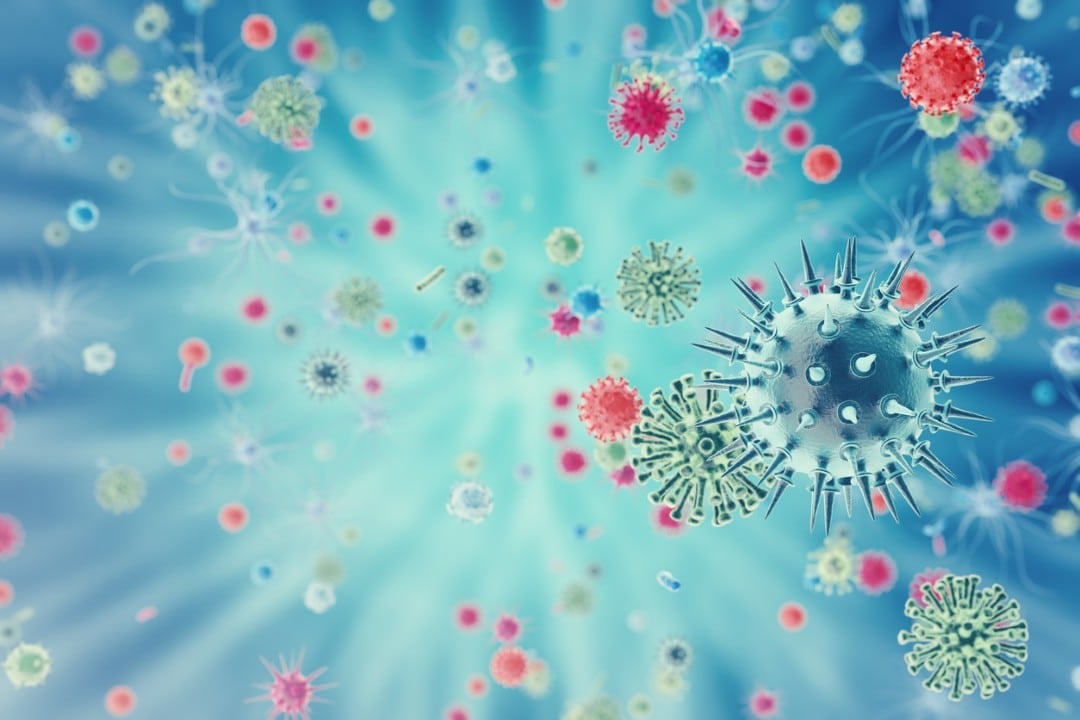
The human microbiome, a set of microorganisms that inhabit the body, is vital to our health, but it still represents a vast unknown territory for science. Two researchers decided, on Monday, July 8, 2026, to begin an ambitious project to map this little-explored area, seeking to uncover the secrets of bacteria that directly influence human well-being and impact medicine.
In the mid-2010s, at the Massachusetts Institute of Technology (MIT), postdocs Mathilde Poyet, an ecologist and microbiologist, and Mathieu Groussin, a computational biologist, faced a common challenge. Poyet sought to study rare bacterial species, impossible to cultivate in the laboratory, while Groussin aimed to understand the co-evolution of humans and microbes. Both focused on the human microbiome, but the available samples were overwhelmingly from wealthy, Western, white populations, limiting understanding of diversity.
“About 90% of all human diversity has been completely left out,” Groussin said recently. He compared the situation to shining just a small segment of a giant screen with a flashlight: the point is well defined, but the full view (what you are seeing) remains hidden, preventing an accurate analysis of the larger context.
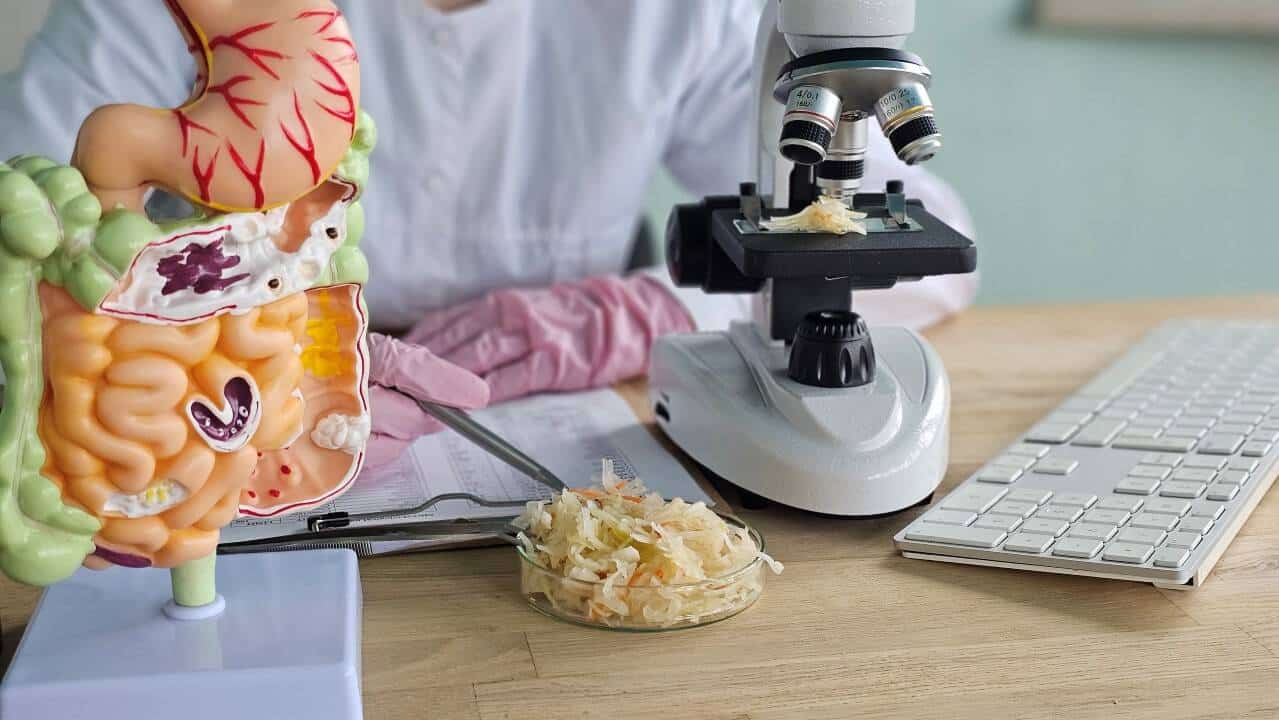
Scientists call this vast unexplored portion the “dark matter of biology.” Our bodies are home to an impressive amount of bacteria – on our skin, nose, intestines, mouth and genital region – surpassing the number of stars in the Milky Way. These microorganisms have evolved in and with humans, playing crucial roles in virtually every biological system, including digestion, immunity, body shape, and possibly even the brain, mood, and behavior. However, the majority have not yet been identified or studied.
The prospect of a more complete panorama is promising. Recent research has already linked the intestinal microbiome to several illnesses, such as Crohn’s disease, irritable bowel syndrome, Parkinson’s, dementia and autism. The hope is that a deeper understanding of these connections could lead to new treatments and cures. Additionally, researchers are investigating the vast molecules produced by microbes in search of new medicines or compounds capable of degrading pollutants and restoring ecosystems.





