
11-year-old boy loses hand after alligator attack while fishing in Florida

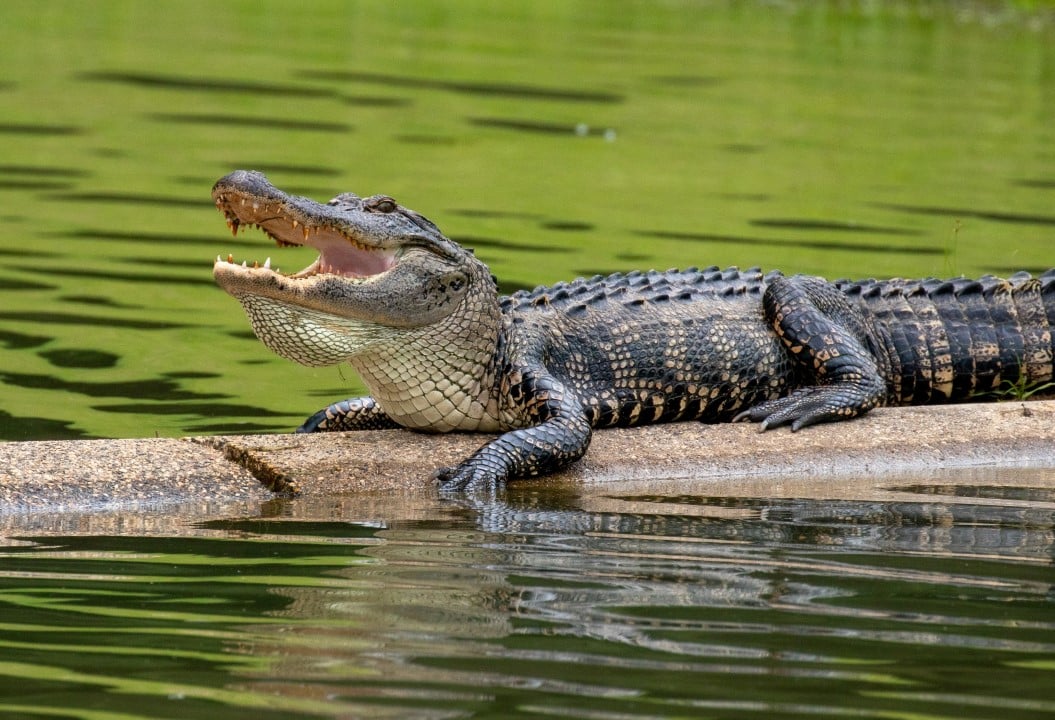
An 11-year-old boy suffered a traumatic amputation of his right upper limb after being surprised by a large reptile while fishing with relatives. The incident occurred on June 27, a period that coincided with the student’s school holidays, in the Marion County region, located in the US state of Florida. The trip, which was intended to provide moments of leisure amid nature, was abruptly interrupted by the rapid action of the aquatic predator.
Dynamics of the attack in the waters of the fishing camp
The victim, identified as Brody Terry, was returning a captured fish to the water on the premises of a camp known as Nelson. Exactly at this moment of distraction at the water’s edge, an alligator measuring approximately two and a half meters in length suddenly emerged and grabbed the smaller one’s right arm, pulling him with extreme violence below the surface.
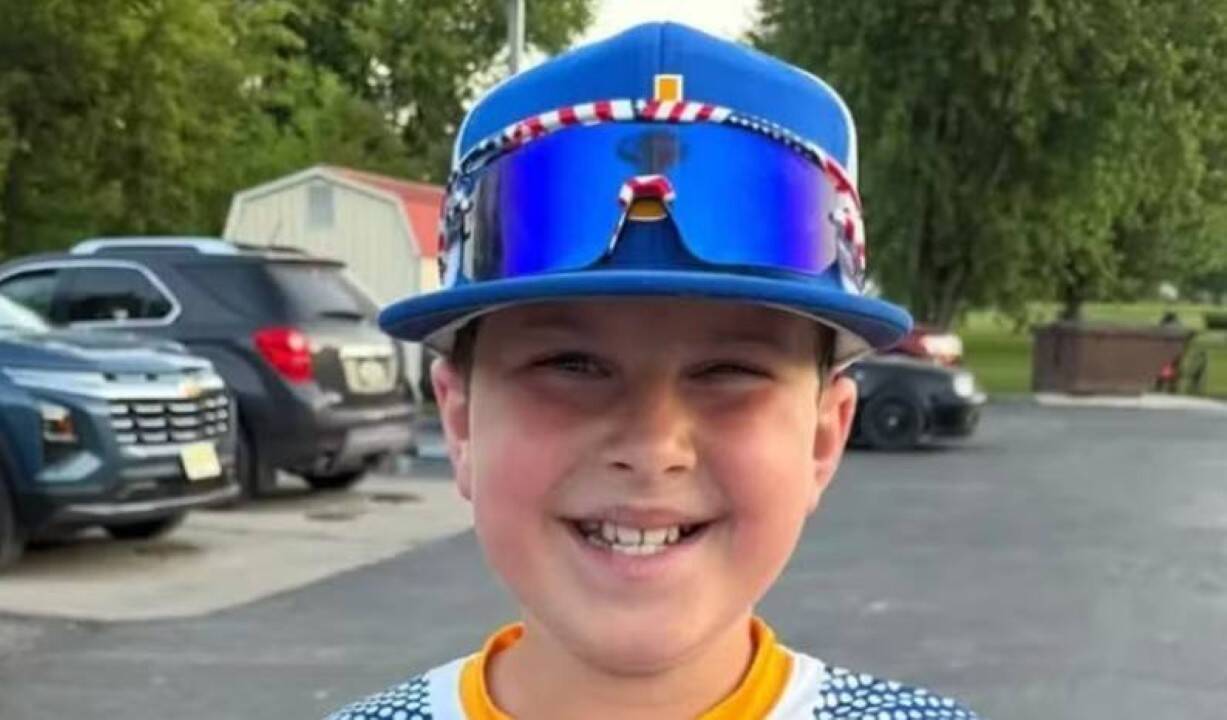
Faced with the gravity of the situation, the boy’s father acted out of protective instinct, immediately diving into the water to try to force open the predator’s jaws and free his son. In an interview with local broadcaster WKMG, the boy’s stepfather, Andrew Ryan, reported that the animal performed a brutal spinning maneuver, a continuous movement that resulted in the student’s hand being immediately separated before any human intervention could be successful.
Animal behavior experts explain that this tactic, known scientifically as the “death spin”, consists of a rapid rotation of the reptile’s own body axis. Biologists point out that the bite force of an adult American alligator can easily exceed 2,000 pounds of pressure, making it nearly impossible for prey to escape intact as the animal attempts to disorient and dismember the target underwater to facilitate ingestion.
Medical efforts and state safety protocol
Reports from emergency teams indicate that Brody suffered extremely severe injuries, even verbalizing at the time of rescue that his hand had detached from his body. Teams of orthopedic surgeons attempted to perform complex procedures to reimplant the limb at the local trauma center, but the extent of tissue and nerve damage prevented the operation from being successful, leading to the patient being discharged from hospital on Friday, July 3, already without his right extremity.
Hours after the child’s rescue, specialized agents from the Florida Fish and Wildlife Conservation Commission (FWC) tracked and located the specimen responsible for the attack, killing the animal on the same day. The elimination of large predators that attack humans follows the state’s strict public safety guidelines, aiming to prevent the same individual from returning to associate people with easy food sources in recreation areas.
Financial mobilization and the impact on family routine
The family members, who originally traveled from Pennsylvania to enjoy the southern climate, issued an official statement detailing the emotional weight of the episode that transformed the dynamics of the house. They classified the event as a tragic misfortune that definitively altered Brody’s trajectory, but emphasized that the student’s survival in the face of such a lethal predator represents a true blessing, considering the fatal potential of the encounter.
To deal with the high costs of the American healthcare system and the long rehabilitation process, a fundraising page was structured on the GoFundMe platform. The resources donated by internet users from different parts of the country will be used to pay hospital bills, compensate for days of work lost by parents dedicated to their child’s intensive care and, mainly, to finance high-tech orthopedic prostheses that will need to be replaced as the boy grows.
Stepfather Andrew Ryan shared the feeling of anguish that dominates the family at this time of transition and adaptation to the new reality. He stated that everyone’s biggest wish is to see the boy smile again and regain the happy personality he always had, placing a lot of hope in the physical recovery process and the psychological support that is beginning now.
Statistics on coexistence with reptiles in the southern United States
The territory of Florida is home to an estimated population of 1.3 million alligators, which inhabit swamps, lakes, rivers and even artificial canals in the region, sharing space with growing urban development. Official FWC records document more than 450 incidents involving humans since 1948, showing that contact between species is a constant reality in the state.
Despite the significant number of unwanted encounters over the decades, the environmental agency highlights that only 30 of these cases resulted in deaths. To keep this fatality rate low and avoid new amputations or fatalities, the commission reinforces strict coexistence guidelines for residents and tourists:
- Maintain a safe and respectful distance from the banks of bodies of water, especially in areas with dense vegetation where animals camouflage themselves.
- Never offer any type of food to wild animals, an illegal practice that eliminates the natural fear that reptiles have of human presence.
- Pay extra attention and avoid swimming or walking with pets near water during dawn and dusk, periods when alligators are at the peak of their hunting activity.
Daily coexistence with the rich local fauna requires the population to understand the limits of the ecosystem and respect the space of top predators. Compliance with prevention regulations remains the most effective tool to ensure that outdoor leisure activities do not end in permanent injuries or irreparable losses for families.





