
Adaptation of ‘The Odyssey’ by Christopher Nolan causes mixed and heated reactions

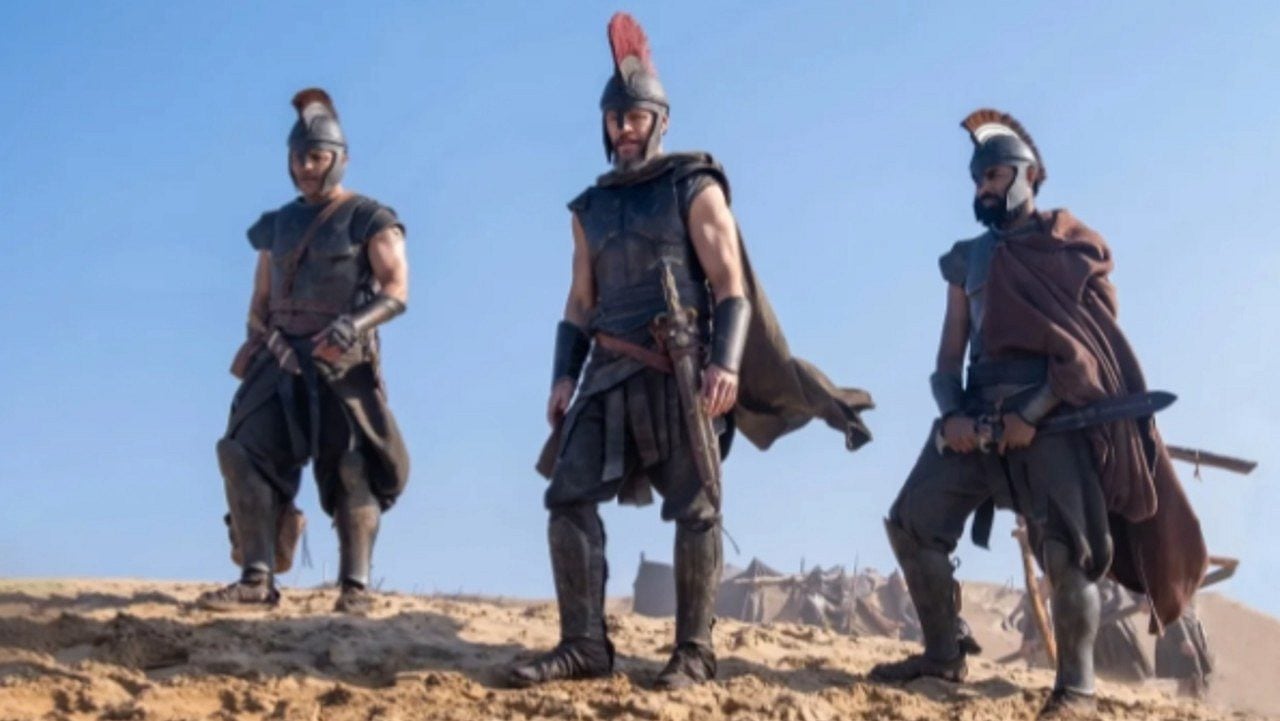
The long-awaited superproduction “The Odyssey”, directed by renowned filmmaker Christopher Nolan, premiered and has already become a point of intense discussion among critics and the general public. The cinematographic reinterpretation of Homer’s classic epic generated notable polarization, with opinions strongly divided over the success of the ambitious transposition to the big screen.
Nolan’s grandeur in reinterpreting an ancient epic
Christopher Nolan’s work, known for its complex narratives and immersive visuals, took on the task of bringing Odysseus’s epic journey home to life. With a star-studded cast and the promise of a monumental scale, the project aroused great expectations. The adaptation of a text so fundamental to Western culture by a director with such a particular signature raised questions about fidelity and creative freedom since the production was announced, fueling the debate even before its arrival in theaters.
Receptivity among the public and experts towards the work
The initial reaction of those who watched “The Odyssey” has been diverse, oscillating between acclaim and disappointment. Some critics praise the visual boldness, stunning cinematography and the cast’s performance, seeing Nolan’s vision as a courageous and modernized interpretation of a timeless tale. Proponents of the production point to the director’s ability to create an immersive experience, a hallmark of his previous works, which would fit perfectly with the magnitude of Homer’s story.
On the other hand, a significant number of viewers and critics expressed reservations about the narrative complexity imposed by Nolan’s style, which, for some, distanced the original story from its more accessible essence. There were questions about fidelity to the source material and whether the artistic liberties taken by the director really enriched or diluted the power of the epic. The filmmaker’s trademark, which often plays with temporal structures and abstract concepts, seems to have been a watershed, especially when dealing with a linear and symbolic plot like that of “The Odyssey”.
The discussion about “The Odyssey” remains heated, reflecting the impact of a work that defies conventions and the expectation of an adaptation. The film promises to be a landmark in Nolan’s filmography, regardless of its divided reception, reaffirming his position as one of the most audacious directors today and generating relevant debates about the way literary classics are reimagined for new generations.





