
Genetic high cholesterol: understand the type that triples the risk of heart attack and challenges statins


The approval of a new drug for “bad” cholesterol (LDL) in the United States has expanded the available therapeutic arsenal. However, this new development does not address a particular type of cholesterol that has raised concern among cardiac specialists, and that the majority of the population is unaware of.
This is lipoprotein(a), known as Lp(a), a fraction of cholesterol that is predominantly defined by genetic inheritance. High levels of this substance are directly linked to a risk of heart attack that can be up to three times higher.
Its name already points to a unique characteristic, with the “a” in lower case, and the molecule often receives a diminutive treatment in medical circles. Despite its nickname, it represents a risk factor that is only now gaining due recognition in clinics, driven by recent guidelines and the expectation of innovative therapies to reduce it.
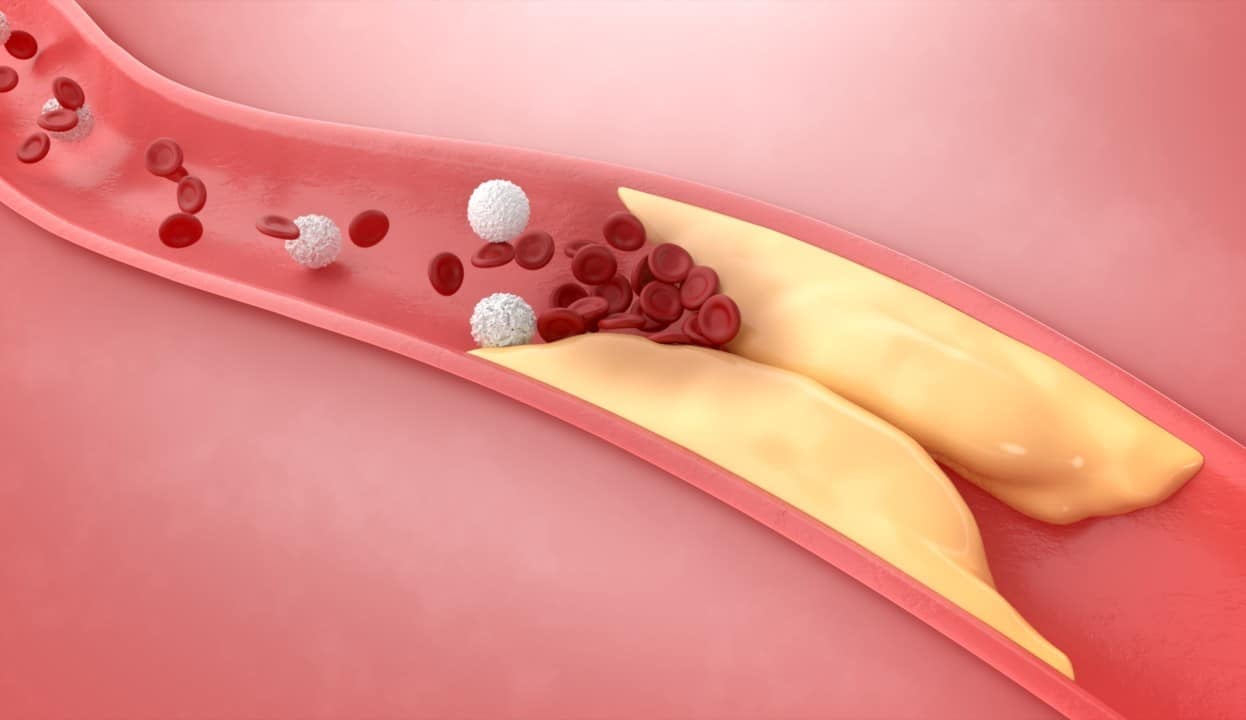
How a type of cholesterol is genetically inherited
Unlike LDL cholesterol, whose levels can be changed through diet, weight and medications, lipoprotein(a) has its concentration determined mainly by the individual’s genetic makeup.
According to cardiologist Elzo Mattar, who serves as director of the Arterial Hypertension Department of the Brazilian Society of Cardiology (SBC) and professor at the São José do Rio Preto State School of Medicine (Famerp), approximately 90% of the value of this lipoprotein in each individual is of genetic origin. It is estimated that around 20% of the population has high levels, often without being aware of this condition.
“Lipoprotein(a) has its primary determination in genetics, and cannot be corrected through diet”, explains the cardiologist. He adds that “the individual is born with a predisposition to have higher or lower levels of it.”
This genetic characteristic configures it as an element of great importance, but also difficult to manage, since fundamental pillars in controlling cholesterol, such as diet, physical exercise and statins, have little or no influence on its levels.
Understand the health risks related to lipoprotein(a)
Interest around lipoprotein(a) has intensified as observational research has demonstrated a strong correlation between elevated levels and serious cardiovascular events. According to doctor Elzo Mattar, concentrations exceeding approximately 50 mg/dL, which corresponds to the highest quartile in the population, are associated with a risk of heart attack approximately three times higher. Furthermore, this fraction contributes to aortic valve calcification, a condition prevalent among older people.
By having an action independent of LDL, lipoprotein(a) serves as a relevant complementary marker. This means that two individuals with identical levels of “bad” cholesterol may present different cardiovascular risks, depending on the concentration of this specific value.
Reasons for the lack of common dosage of lipoprotein(a) to date
For many years, measuring lipoprotein(a) had little clinical utility, as there were no targeted treatments for it and the results of the test rarely influenced medical approaches. However, this panorama is in the process of transformation.
A new guideline on dyslipidemia, released in March 2026 by the American College of Cardiology and the American Heart Association, together with other medical institutions, now recommends measuring lipoprotein(a) at least once in adult life. This recommendation is also supported by cardiologist Elzo Mattar.
“The current guidance is that all adults take lipoprotein measurements at least once in their lives, in order to be aware of their individual cardiovascular risk”, declares the specialist.
This is a simple procedure, carried out through a single blood test, as its value generally remains constant throughout life. The detection of high levels of lipoprotein(a) does not immediately imply the need for specific drug treatment, but it serves as an important warning to intensify control of all other modifiable risk factors.
“Individuals with high lipoproteins should take extra care with their health: it is essential to keep LDL cholesterol at low levels, triglycerides under control, blood pressure and blood glucose in order, in addition to exercising and following a balanced diet”, advises the cardiologist.
Prospects for new drugs to reduce lipoprotein(a)
The lack of specific therapeutic options for Lp(a) may be close to being overcome. Currently, several pharmaceutical companies are developing and testing new substances to reduce it. Among the most promising, Novartis’ pelacarsene stands out, a monthly injectable treatment that, in early research phases, was shown to reduce this fraction by around 80%.
This medicine is the center of the Horizon study, which represents the first large clinical trial to find out whether the reduction in lipoprotein(a) actually results in a reduction in cases of heart attacks and cerebrovascular accidents (CVAs). The research involves monitoring more than 8 thousand patients over several years.
The results are expected to be released throughout 2026, with presentations scheduled for the Congress of the European Society of Cardiology (ESC), which will take place at the end of August, in the city of Munich. Additionally, other therapeutic approaches, such as a tablet version, are also in the testing phase.
However, doctor Mattar makes an important caveat, distinguishing the promise from scientific proof: the simple reduction in lipoprotein levels still does not automatically translate into a reduction in cardiovascular events.
“It is likely that the reduction in lipoprotein(a) will bring benefits, however, we still lack studies that confirm this relationship”, explains Mattar. He highlights that “research that demonstrates a reduction in heart attacks and strokes requires a follow-up period of more than five years.”
This is exactly the gap that studies scheduled for the coming weeks will begin to fill. The objective is to demonstrate not only the effectiveness of new drugs in reducing lipoprotein(a), but also whether this reduction effectively results in a lower incidence of heart attacks.
To date, lipoprotein(a) represents a value whose knowledge is valuable, even in the absence of a direct treatment to alter it. This is because it serves as a crucial indicator of the need to protect and take care of all other cardiovascular risk factors.
And, within a few months, the medical community will finally be able to discover whether a risk that for so long was barely diagnosed can be effectively reduced and, more importantly, whether this reduction will have the power to save lives.





