Forza Horizon 6 update changes the game’s economy and generates player protests


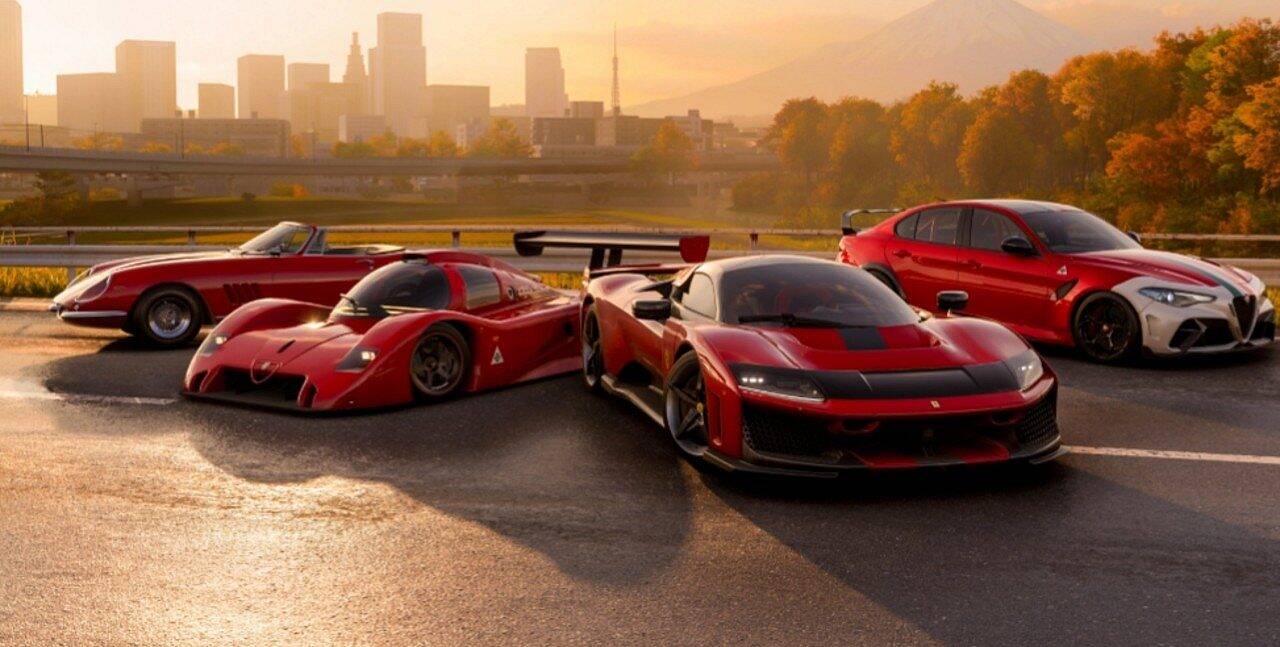
The latest update for the Forza Horizon 6 game was implemented on Monday, marking the start of the next four-week Festival Playlist season. This new stage, which began on Thursday, celebrates exotic Italian cars, bringing themed events and exclusive reward vehicles. Additionally, an “Italian Passion” car pack is available, adding four new Ferrari and Alfa Romeo models to the game.
However, what has really stirred the Forza Horizon community is not the positive news. On the contrary, players are dissatisfied with profound changes to the game’s economy, which make it significantly difficult to acquire cars considered rare.
The mentions of these modifications in the official notes from developer Playground Games are quite superficial. According to the statement, “auction price limits for cars not purchasable at the Autoshow” were “removed” and “fixes were applied to several exploits”, such as “optimization of skill points in properties”. However, these details do not reveal the full extent of the real impact of the changes.
To better understand the situation, a little historical context is essential. In previous installments of the Forza Horizon series, notably Forza Horizon 5, the gameplay experience has become increasingly rewarding, granting players a large amount of cars, money, and “Wheelspins” (lucky spins that award more money and vehicles). These Wheelspins were even the only way to obtain specific rare cars, including many coveted Forza Edition models, which came with valuable bonuses in credits and skill scores. A common criticism, present among some players, was that Forza Horizon 5 offered excessive rewards, reducing the feeling of progress and the excitement when acquiring new cars.
At launch, Forza Horizon 6 had already implemented a noticeable slowdown in this economy. Players accumulated credits and Wheelspins more slowly, and the rate at which vehicles were obtained had been reduced. As compensation, rare cars that cannot be purchased directly from “Autoshow”, the game’s car store, had price ceilings in the auction system, where users negotiate among themselves, preventing them from becoming excessively expensive.
The new update, however, eliminated these limits. Now, there is only a global immediate purchase ceiling set at 20 million credits. On the positive side, this allows rare car auctions to remain active longer, rather than being snapped up instantly, and encourages bidding competitions. However, many players now find themselves unable to complete their collections of rare or exclusive Wheelspin vehicles via this method. This situation isn’t just restricted to exotic models and Forza Edition cars; Relatively common machines like the 1989 Toyota MR2 and 1997 Nissan Skyline GT-R V-Spec, both now-ended seasonal rewards, are being listed for 20 million credits, making casual players feel left out of using the auction house to complete their fleets.
What bothers many players most about these changes is that Playground has also made it harder to earn credits. There are reports that the cash rewards for the game’s more extensive races have been drastically reduced, a change not detailed in the patch notes. Furthermore, crucially, the developer has limited the number of Skill Points that can be earned on maps created with the “Estate” and “EventHub” tools to just one.
This latest change effectively renders the so-called “Skill Point farms” that have proliferated with these tools useless. These points were used to maximize the skill tree of specific vehicles, which, in turn, rewarded players with “Super Wheelspins”, generating more money and rare cars. Many players would repeatedly purchase one of these vehicles (the 1998 Subaru Impreza 22B) and use “Estate” maps to accumulate skill points and profit from Wheelspins. Although it is debatable whether this constituted an “exploit” or a loophole in the game’s design, whether intentional or not, Playground ended this practice.
This whole situation can be seen as part of the constant challenge of balancing any online game. It’s possible that Playground Games overreacted or targeted the economic changes only at its most dedicated fans without considering the impact on casual gamers. However, it’s hard to mourn the end of player-created “Skill Point Farms,” or disagree with the philosophy that progress should come from actual gameplay rather than exploiting glitches or auction hunting. Maybe it’s acceptable that rare cars really are rare. As a relief, the update offers an alternative: some rare cars, previously restricted to Wheelspins or seasonal rewards, will be made available for “Aftermarket” sale at a used car dealership near the stadium.