
Cardiologist warns about dangerous amounts of sodium in small portions of soy sauce

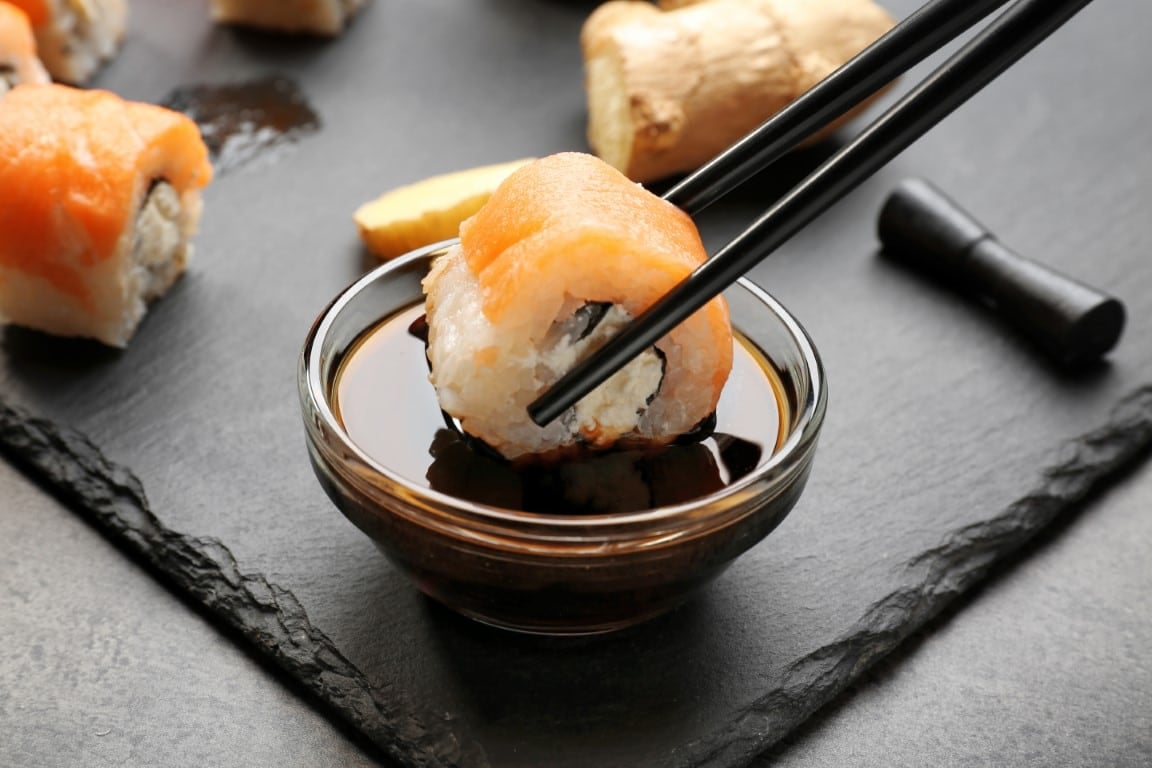
The popularization of Asian cuisine has transformed Brazilians’ eating habits over the last few decades. What was previously restricted to specialized restaurants has become a guaranteed presence in domestic pantries. In this scenario, a dark liquid with an intense flavor gained absolute prominence in daily meals. Many people have started to replace traditional refined salt with this liquid alternative when preparing meats and finishing fresh salads.
Despite its culinary versatility, the indiscriminate consumption of this product hides a silent danger for the cardiovascular system. The base of the recipe contains very high concentrations of minerals that directly affect blood circulation. Doctors and nutrition experts note with concern the increase in domestic use of this ingredient. The umami-adapted palate often ignores the safe limits set by global health authorities.
Amount of minerals in small portions exceeds safety limits
A simple tablespoon, equivalent to fifteen milliliters of liquid, delivers more than nine hundred milligrams of sodium to the body. The food industry has developed versions with labels indicating reduced calories or light content, but the practical change in composition is small. In these supposedly healthier options, the mineral content only drops to seven hundred milligrams per serving. Daniel Magnoni, cardiologist and nutritionist at Hospital do Coração in São Paulo, warns that these values continue to be extremely high for human metabolism.
To understand the severity of this proportion, it is necessary to observe the guidelines of the World Health Organization. The international entity establishes that a healthy adult should ingest a maximum of two grams of sodium over twenty-four hours. A quick analysis reveals that one hundred milliliters of the oriental spice can contain more than five grams of the mineral. Consequently, using just three tablespoons already completely breaks the recommended daily ceiling to keep the heart protected and blood pressure stabilized.
History of food preservation and the evolution of Asian seasoning
The development of this delicacy dates back to Chinese antiquity, when there were no refrigeration systems to keep the ingredients fresh. Cooks at the time needed to find efficient methods to prevent meat and vegetables from deteriorating quickly. The solution found involved the prolonged fermentation of soybeans submerged in an extremely concentrated brine. The original purpose was purely for preservation, not use as an everyday flavor additive to already seasoned dishes.
Over the centuries, the technique crossed borders and was refined in Japan, gaining the aromatic profile known today. The traditional process requires months of maturation in barrels, where specific fungi break down soy proteins. However, modern industrial-scale production often speeds up this step with chemical reactions and the addition of extra sodium chloride. This contemporary method reduces the cost on supermarket shelves, but delivers a final product that is even more aggressive for consumers’ vascular health.
Techniques recommended by experts for eating out
Completely eliminating the ingredient from your routine may be difficult for lovers of oriental cuisine, but simple adaptations reduce the damage. The main medical advice for the domestic environment is to ban the use of dark liquid as a substitute for seasoning in grilled vegetables and proteins. When an individual decides to visit establishments specializing in sushi and sashimi, the approach needs to be highly strategic. The common habit of filling the small ceramic dish and sinking the raw fish should be abandoned immediately.
The correct technique involves creating a diluted mixture directly on the restaurant table. The customer must squeeze the juice of a whole lemon into the container and add just a few drops of the sauce to bring out the characteristic flavor. Instead of dipping the entire piece, the ideal is to use the tip of the fish or a culinary brush to slightly moisten the food. This small change in behavior preserves the dining experience while protecting the arteries from sudden salt shock.
The result of a dinner without these precautions is felt by the body a few hours after eating. The cardiologist at Hospital do Coração explains that the feeling of extreme thirst and swelling in the extremities are direct physiological responses. The body desperately tries to retain water to dilute the absurd amount of salt that has entered the bloodstream. This effort overloads the kidneys and forces the heart to pump blood much more intensely, raising blood pressure.
Reading labels and other industrialized villains on the shelves
Surveillance against hypertension requires constant attention to the packaging of items purchased in supermarkets. The consumer needs to get into the habit of turning the bottles over and mentally adding up the values described in the nutritional table. When meal preparation involves traditional table salt, the golden rule remains the same as stipulated by health authorities. The total volume of sodium chloride added to pans during an entire day should not exceed five grams, which is equivalent to a level teaspoon.
The danger does not only lie in products of Asian origin, as the industry uses salt as a cheap preservative and universal flavor enhancer. Health professionals have mapped several fast-consuming items that work like real pumps for the cardiovascular system. Knowing these processed foods is the first step to cleaning your diet and avoiding early diagnoses of chronic diseases that affect millions of Brazilians.
The list of ultra-processed products that require extreme caution includes ingredients that are very common on contemporary family tables:
- Concentrated broth cubes and sachets: regardless of the flavor chosen, each unit contains approximately one thousand milligrams of sodium, making two servings exhaust the limit for an entire day.
- Packets of instant noodles: the flavoring powder that accompanies the pasta delivers around one thousand four hundred milligrams of the mineral, representing a very high risk for those who frequently consume the dish.
- Traditional snack bar condiments: commercial formulations of ketchup and mustard hide between one hundred and twenty and one hundred and seventy milligrams of sodium in a single tablespoon used in snacks.
Nutritional education emerges as the main tool to reverse the growing number of heart problems associated with the modern diet. Replacing artificial flavor enhancers with fresh herbs, natural spices, garlic, onion and citrus juices transforms quality of life in the long term. The human palate has a remarkable ability to adapt, and the gradual reduction of these additives allows people to once again experience the true taste of food without compromising the functioning of the heart.





