
New species of ghost shark identified in deep Pacific off Costa Rica

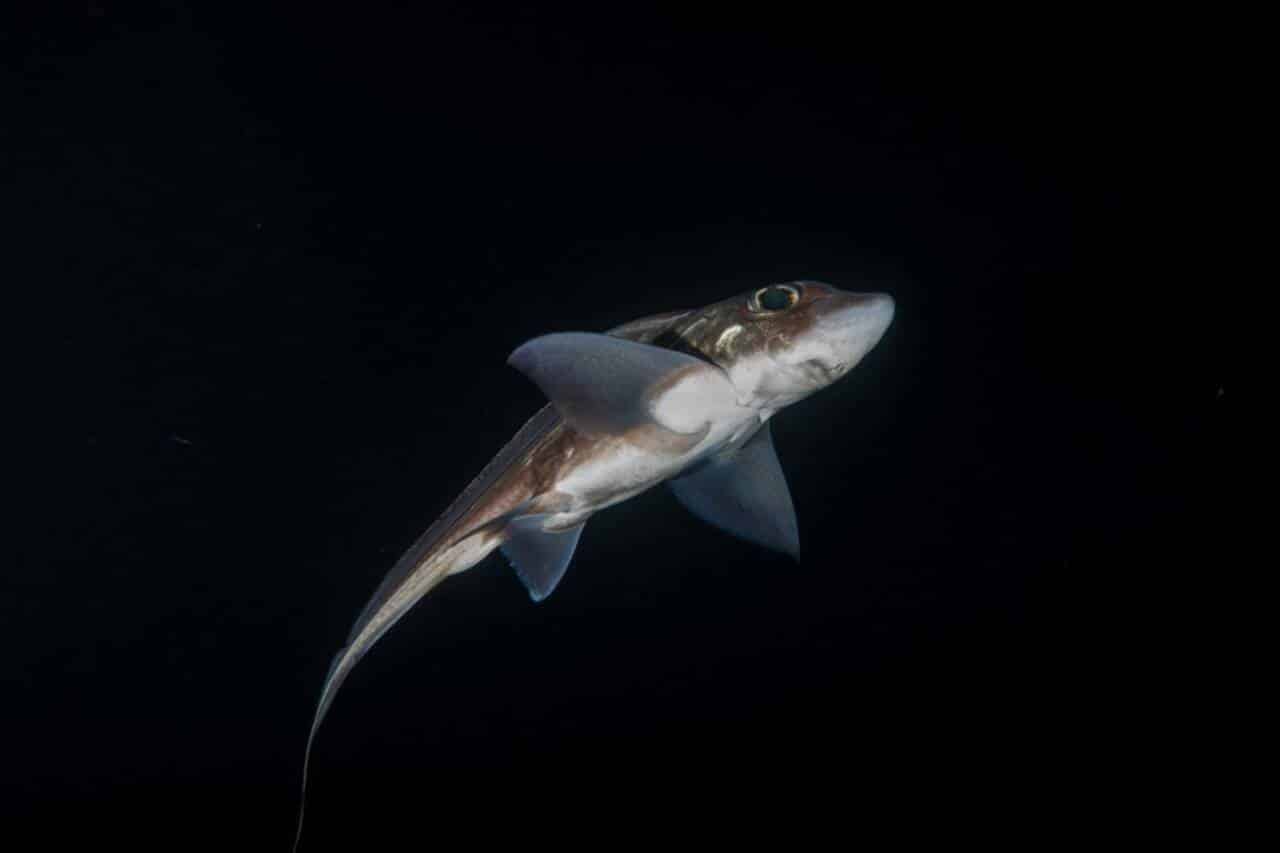
On June 23, 2026, a group of researchers from Costa Rica and Brazil revealed the existence of a new species of deep-sea fish in the Pacific Ocean, near the Costa Rican coast. This discovery highlights the vast amount of marine life still unknown in the depths of the country.
Discover the particularities of the Costarican Rhinochimaera, the ghost shark
Named *Rhinochimaera costaricana*, the creature is part of a group of cartilaginous fish, the long-nosed chimeras, popularly called ghost sharks. Although they share kinship with sharks and rays, chimeras represent a lineage of fish that has evolved separately for millions of years.
The details of the identification were published in the scientific journal Zootaxa. The work is the result of collaboration between experts from the Costa Rica Fisheries and Aquaculture Institute (INCOPESCA), the University of Costa Rica and the Federal University of Pará, in Brazil.
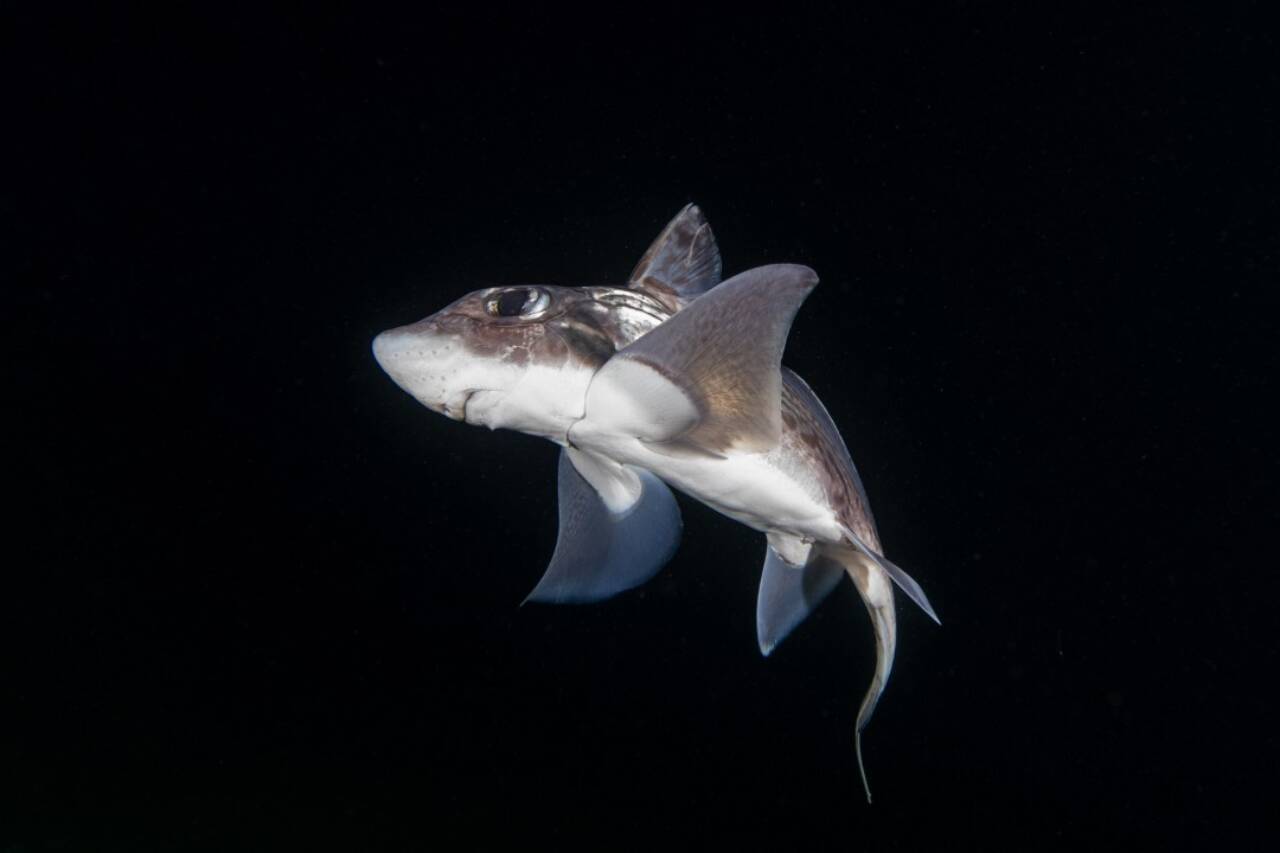
The characterization of the new species was based on three male specimens. They were collected in the Pacific waters of Costa Rica on different expeditions, carried out between the years 2000 and 2023, in ranges from 390 to 787 meters deep, an environment inaccessible to most divers.
To confirm the news, scientists analyzed 49 physical measurements of the specimens and compared them with data from more than 90 other individuals of three already known species of *Rhinochimaera*. The fish found in Costa Rica had a number of unique attributes, such as a shorter snout, a more prominent dorsal fin and initial spine, a wider spacing between the dorsal fins and a smaller number of tubercles on the tail.
Verification through DNA analysis was decisive for recognition. Genetic comparisons revealed clear distinctions between the Costa Rican specimens and other members of the same genus, strengthening the creature’s classification as a unique species.
This find enriches Costa Rica’s already vast marine biodiversity and, crucially, highlights the immense gap in knowledge about the deep Pacific regions beyond the continental shelf. For Mix Vale, this means that continued research and development of new technologies and genetic tools are essential, not just for discovering new species, but for understanding entire ecosystems that remain largely unexplored and may hold keys to the future of marine biology and even medicine. These innovations allow researchers to accurately identify beings that, in the past, might have been mistakenly classified as already known species.





