
Ancient Roman coin found at railway site reveals habits of ancient Britain


A railway project in the UK has revealed new details about Roman Britain after archaeologists discovered a rare coin and other artefacts nearly 2,000 years old, it was announced on Wednesday 1 July.
The finds occurred in the regions of Bedfordshire and Cambridgeshire, and the information was released by the company East West Rail on the same date.
Construction teams are currently involved in restoring and creating new rail links between the cities of Oxford and Cambridge. As part of this effort, archaeologists are carrying out excavations in several trenches across southern England.
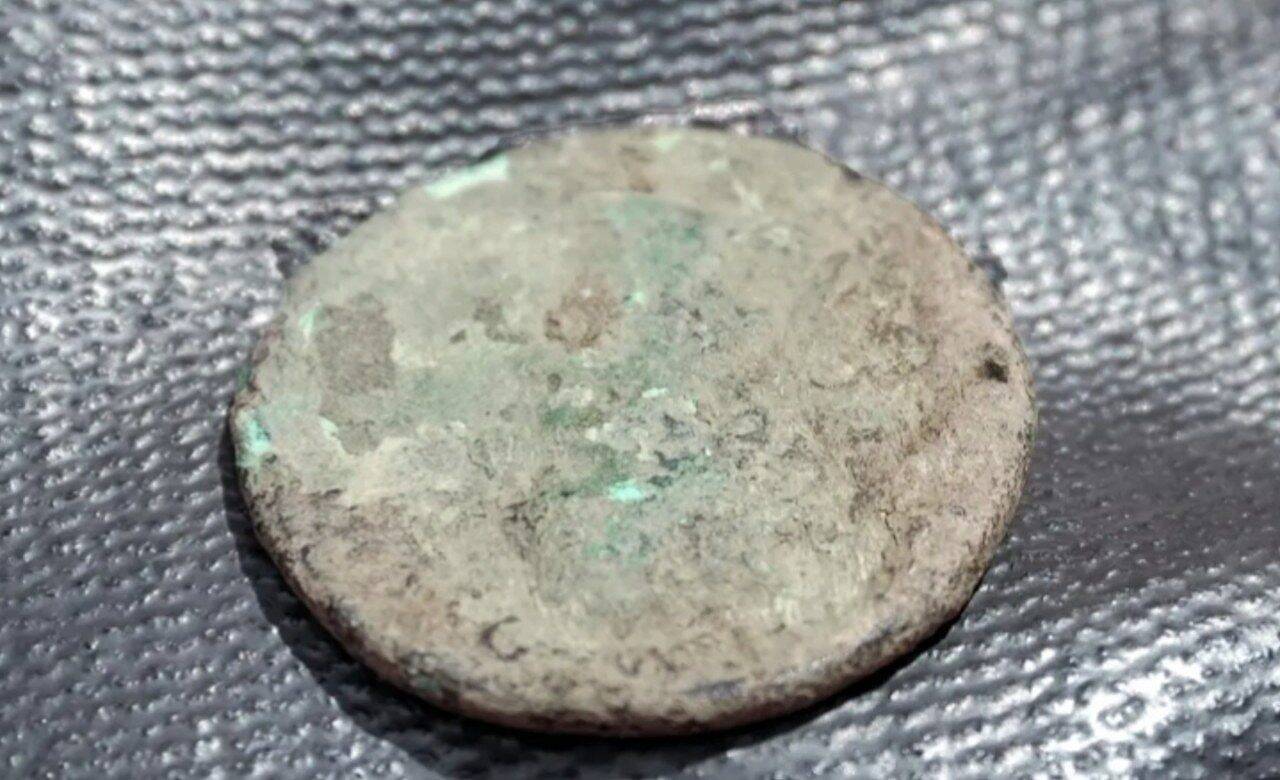
Among the items found, a coin that dates back approximately 1,740 years stands out.
This unique artifact bears the name of the Roman emperor Carausius, a naval commander responsible for a Roman fleet stationed in the English Channel.
Images released by East West Rail show the Roman coin in excellent condition, even after being buried for centuries.
Archaeologists already anticipated the discovery of ancient remains along the route, but there were “a few surprises” that initial geophysical analyzes failed to identify, as explained by Mike Court, historic environment lead at East West Rail.
“Geophysical surveys generally do not reveal finds, cremations or burials, so these are often unexpected when they emerge in the trenches,” Court detailed.
“Even with all the prior knowledge when starting excavations, it’s always exciting when discoveries are made — and so far, after more than 1,000 trenches, we’re starting to get some really interesting results.”
Court indicated that the coins were found alongside evidence of Roman settlement and agricultural activities, rather than as isolated finds.
“These sites contain numerous features, such as wells, ditches and post holes, excavated in the natural soil,” he added.
“The fillings of these structures may contain ceramics, which helps us date the characteristics and location,” he explained.
The fills are “where we often find coins through metal detection,” he added.
What makes the coin “particularly interesting”, according to Court, is the fact that it bears the name of the Roman emperor Carausius, thus providing crucial evidence for archaeological dating.
The excavation work, according to Court, has revealed remains that span hundreds of years of history, with finds dating from the Iron Age to the Roman period.
“We know from other nearby projects that this part of Britain has a rich archaeological landscape, and we were not disappointed,” he said.
“When we are finished, we hope to find archeology from most, if not all, periods of British history and prehistory,” he projected.
Court noted that all of the artifacts offer a rare and tangible link to the people who inhabited the site millennia ago.
“Perhaps the most fascinating thing about these objects is not their connection to emperors and historical events, but their connection to ordinary people,” he commented.
“Each coin was once carried by an individual living in Roman Britain. By chance and circumstance, the coin remained buried until its rediscovery by the East West Rail archaeological survey team centuries later.”
With plans to excavate around 6,000 trenches, Court added that archaeologists anticipate unearthing many more significant discoveries along the route.
“We are confident that we will unearth other large sites in the next two years of our trenching program,” he concluded.





